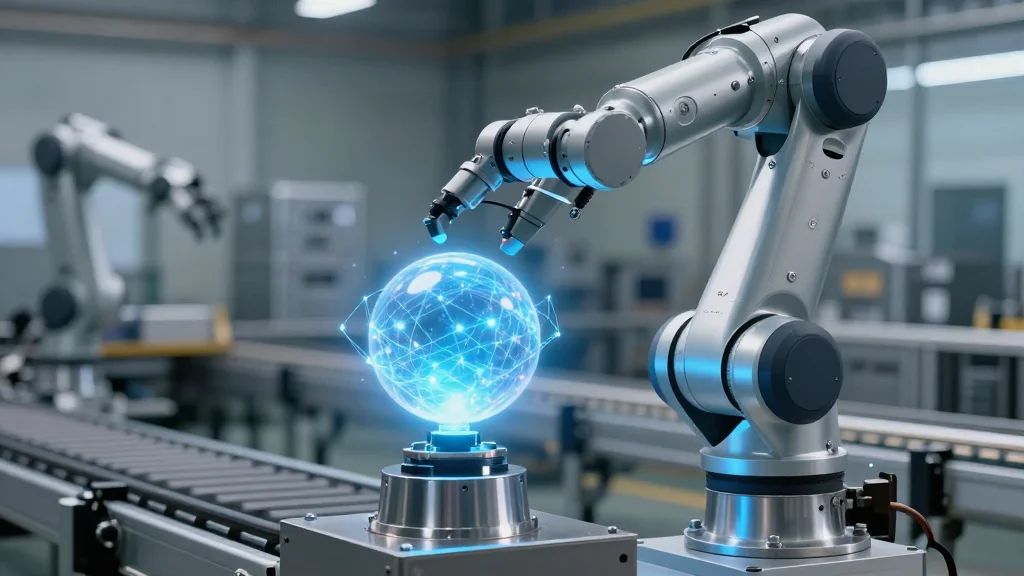
Ins and Outs of AI for Process Control
Key Takeaways
- •57‑minute podcast shows AI can outperform human decision‑making in real‑time optimization
- •Gen AI video demonstrates RAG, reinforcement learning, and model distillation for automation
- •Liveline Technologies video highlights AI agents cutting APC engineering costs
- •MathWorks tutorial integrates AI with Matlab and Simulink for predictive maintenance
- •Newlab Detroit case study shows LLMs writing safety analyses on plant floor
Pulse Analysis
Industrial automation is at a tipping point as artificial intelligence moves from theory to the shop floor. Recent webinars and podcasts illustrate how AI can ingest sensor streams, predict equipment failures, and suggest optimal set‑points faster than human operators. By leveraging edge‑deployed models and no‑code tools, manufacturers can democratize advanced analytics, allowing local teams to fine‑tune processes without deep data‑science expertise. This democratization reduces the time‑to‑value for AI projects and mitigates the talent bottleneck that has long hampered digital transformation.
A second wave of interest centers on generative AI and AI agents that automate routine engineering tasks. Videos from RealPars and Liveline Technologies demonstrate how retrieval‑augmented generation, reinforcement learning, and model distillation create interpretable, low‑latency solutions for quality inspection, workflow orchestration, and advanced process control. By replacing traditional APC tuning with AI‑driven agents, firms report lower engineering overhead and greater adaptability to nonlinear, multi‑objective production scenarios. These capabilities also open pathways to causal AI, where cause‑effect relationships guide decision‑making rather than relying solely on correlation.
Finally, integration platforms like Matlab, Simulink and Make are bridging the gap between AI research and operational deployment. Tutorials show how to embed predictive‑maintenance models into existing control loops, automate data pipelines, and build observability layers that monitor AI behavior in real time. As manufacturers adopt these tools, they gain a unified “AI nervous system” that balances performance with safety, a critical factor for regulated industries. The convergence of AI, edge computing, and no‑code orchestration is reshaping the economics of process control, making autonomous manufacturing a realistic near‑term goal.
Ins and outs of AI for process control
Comments
Want to join the conversation?