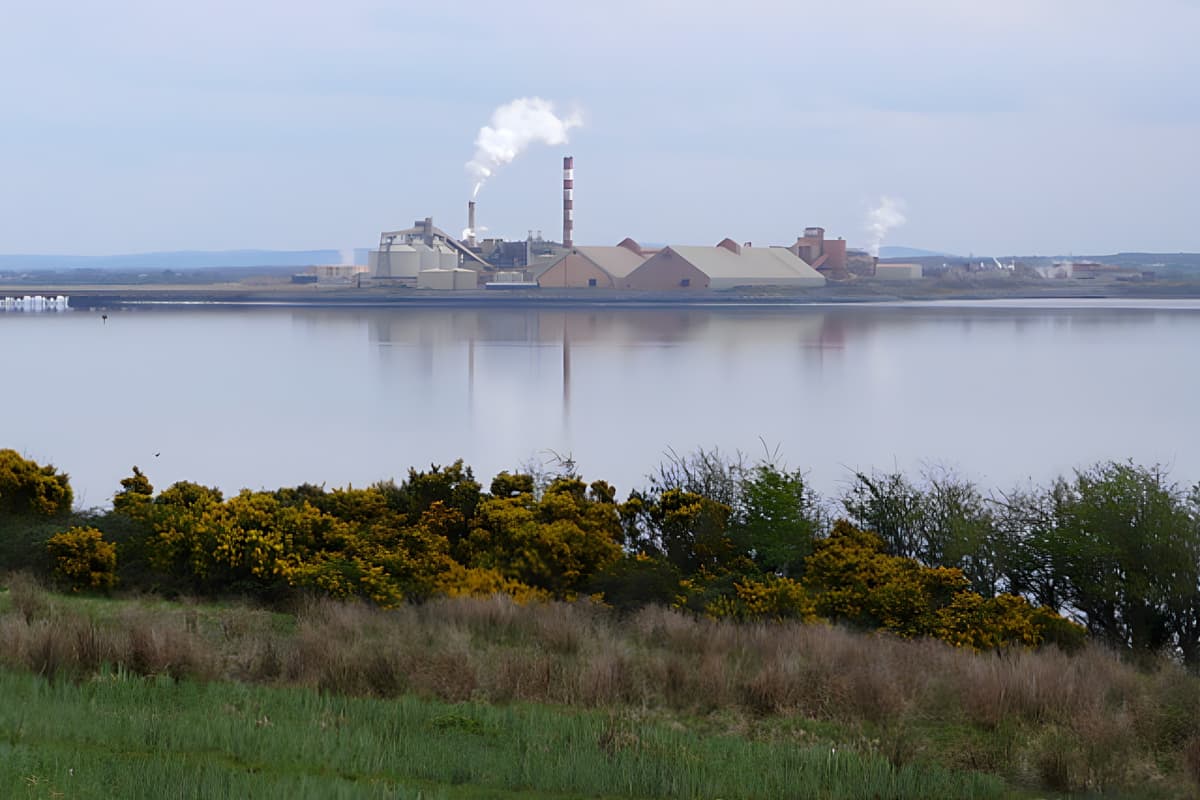
Irish Alumina Factory Accused of Supplying Russia’s War
Key Takeaways
- •Irish alumina exports to Russia rose to 68% of output by 2024.
- •Rusal‑owned Aughinish supplied ~480,000 tonnes to a Siberian smelter in 2024.
- •Trade value hit €836 million ($912 million) in 2024, a record for Ireland.
- •Plant supports ~400 jobs and $164 million annual local economy.
- •EU and Dublin resist sanctions, citing supply‑chain and cleanup costs.
Pulse Analysis
Alumina is a foundational input for aluminium production, a material that underpins everything from automotive frames to aerospace components. Ireland’s Aughinish refinery, the continent’s biggest, sits at a crossroads where raw bauxite from West Africa is transformed into a commodity that, while technically unrestricted, can be diverted into high‑purity aluminium used by Russian defence firms. The plant’s ownership by United Company Rusal, part of the EN+ Group controlled by oligarch Oleg Deripaska, adds a geopolitical layer that makes the Irish export figures a flashpoint in the broader sanctions debate.
The EU’s sanctions toolkit traditionally targets finished weapons and specific high‑tech inputs, leaving basic commodities like alumina in a gray zone. Dublin’s reluctance to act reflects a calculus that balances the €150 million (€164 million) annual economic contribution and the 400‑plus jobs against the political cost of appearing to enable Russia’s war machine. A forced shutdown would not only trigger a regional employment shock but also generate a massive liability for the cleanup of the site’s 50 million tonnes of red‑mud waste, potentially running into hundreds of millions of dollars. Consequently, policymakers are weighing short‑term geopolitical pressure against long‑term industrial stability.
Looking ahead, the Aughinish case could reshape how the EU treats raw‑material supply chains linked to sanctioned regimes. Greater transparency requirements, traceability mechanisms, or targeted export licences may emerge as compromise solutions, allowing the plant to continue operating while limiting its contribution to the Russian defence sector. For investors and industry observers, the episode underscores the growing importance of ESG considerations in commodity markets, where geopolitical risk is increasingly intertwined with supply‑chain integrity and local economic resilience.
Irish alumina factory accused of supplying Russia’s war
Comments
Want to join the conversation?