Is the NoClogger Really Effective for Desktop 3D Printers?
Key Takeaways
- •NoClogger pushes filament through nozzle to clear clogs
- •Traditional cold pull removes debris by melting and retracting filament
- •Thin metal probe merely jiggles blockage, often ineffective
- •NoClogger works best for broken filament stubs
- •Cold pull remains most reliable, cost‑free cleaning method
Pulse Analysis
Desktop FFF 3D printers are prone to nozzle clogs, a problem that can cripple rapid prototyping and small‑scale manufacturing. When filament residues, dust, or composite fibers accumulate, extrusion becomes erratic, leading to print failures. Operators typically rely on the cold‑pull method, which heats the nozzle, inserts a filament strand, cools it to solidify around contaminants, and then pulls it out, effectively extracting debris without additional tools. This technique remains popular because it requires no extra hardware and addresses the root cause of blockage by removing material from within the nozzle bore.
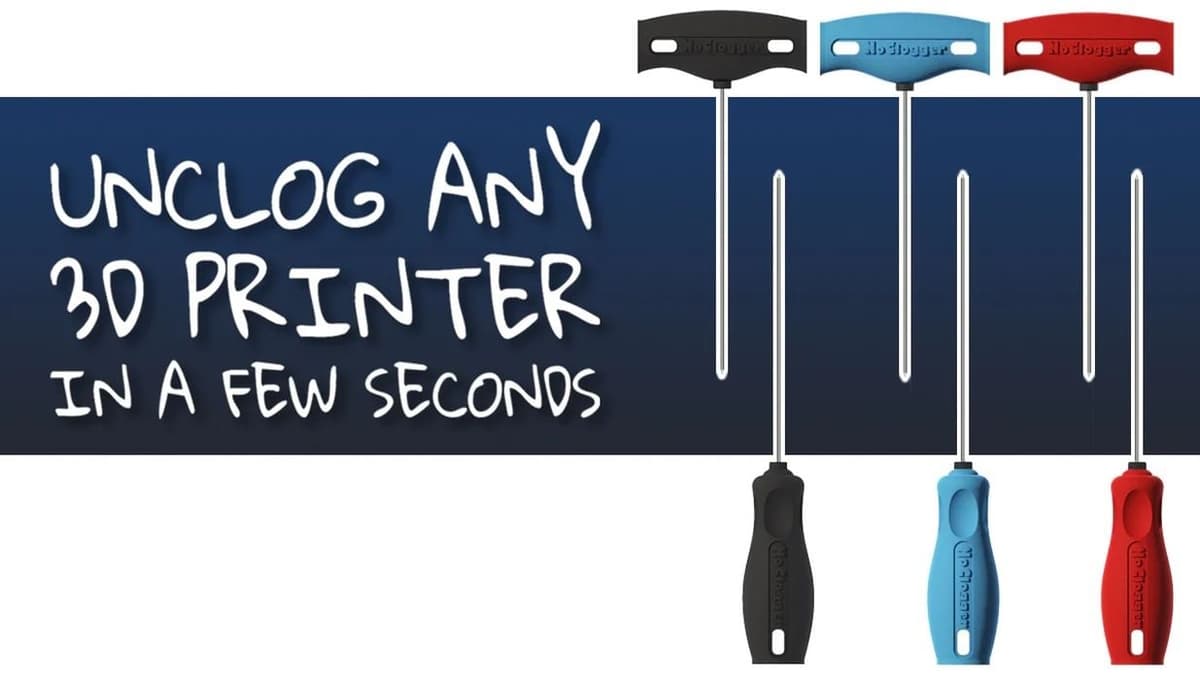
The NoClogger enters the market as a simple metal rod, roughly the diameter of standard 1.75 mm filament, designed to be inserted directly into the hot end after detaching the input tube. By pushing material forward, it aims to force clogs out of the nozzle. In practice, the device can clear loose filament stubs that have broken off inside the hot end, a scenario where the cold pull may be cumbersome. However, when debris forms a solid plug—such as compressed wood fibers or carbon‑filled particles—the NoClogger’s pushing force is insufficient, and the blockage persists. Compared with the thin probe that merely agitates the obstruction, the NoClogger offers a modest improvement but does not replace the comprehensive cleaning achieved by a cold pull.
For the growing community of hobbyists and small businesses adopting desktop 3D printers, tool selection hinges on cost, effectiveness, and ease of use. While the NoClogger may appeal to novices seeking a quick fix for filament breakage, seasoned users recognize that a well‑executed cold pull remains the most reliable, zero‑cost solution for stubborn clogs. Manufacturers of 3D printers might consider integrating more robust nozzle‑clearing mechanisms or providing clearer maintenance guidelines to reduce reliance on third‑party accessories. Ultimately, understanding the limitations of each method helps operators maintain consistent print quality and minimize downtime.
Is the NoClogger Really Effective for Desktop 3D Printers?
Comments
Want to join the conversation?