Multimodal AI Sensor Fusion Targets 3D Print Faults
•February 25, 2026
0
Why It Matters
By improving detection accuracy and reducing false positives, multimodal fusion can cut wasted print time and material costs, accelerating Industry 4.0 adoption in additive manufacturing.
Key Takeaways
- •Multimodal fusion combines vision, thermal, acoustic, vibration data.
- •Fusion reduces false positives and detects faults earlier.
- •Synchronization and calibration are major implementation challenges.
- •Edge inference balances latency with cloud‑based fleet learning.
- •Validation needed across printers, materials, and toolpaths.
Pulse Analysis
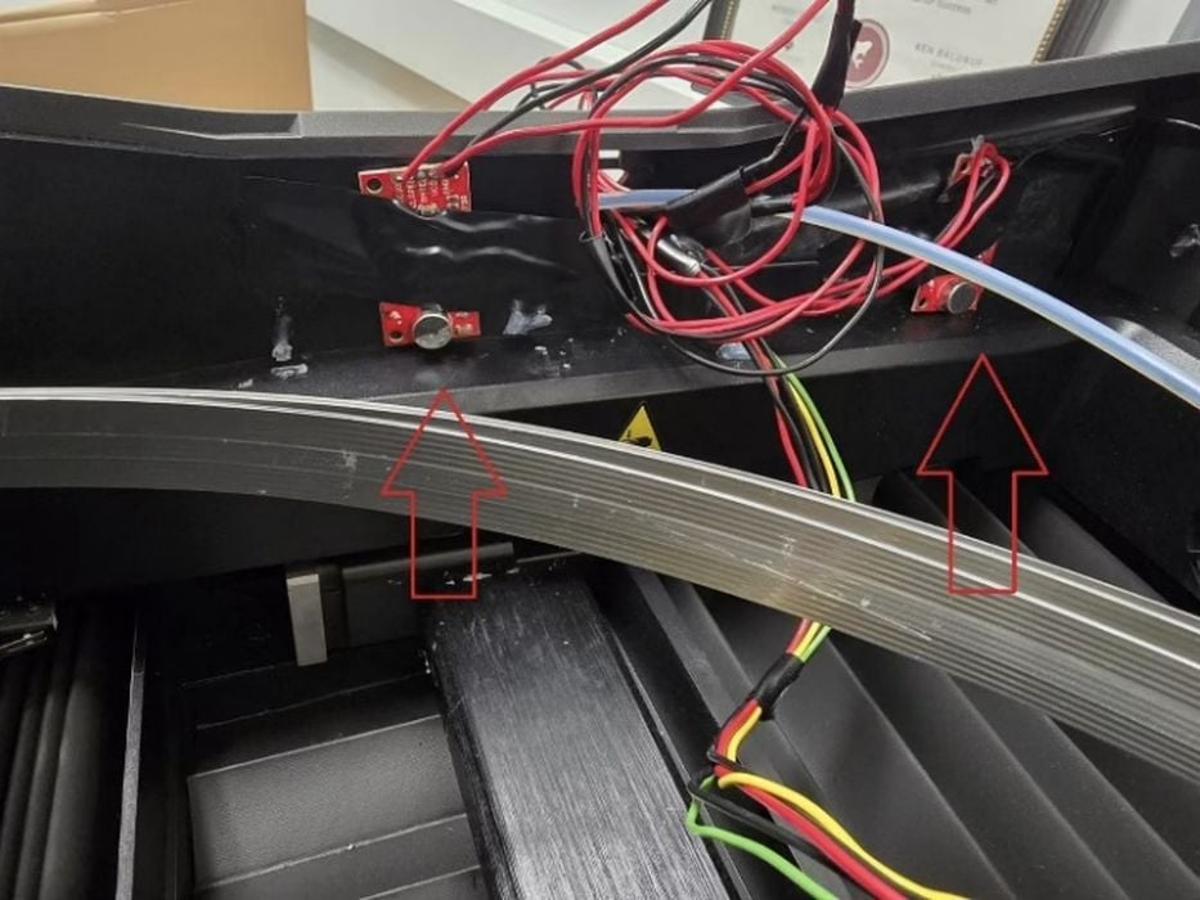
Additive manufacturing has long struggled with reliable in‑process quality assurance. Most commercial monitors rely on a single data source—typically a camera, a temperature sensor, or an acoustic microphone—leaving gaps where subtle defects escape detection. Multimodal sensor fusion, a technique borrowed from robotics, aggregates disparate streams such as machine vision, melt‑pool photodiodes, motor currents, and acoustic emissions. By correlating these signals, the system can confirm borderline thermal spikes with acoustic cues or compensate for visual occlusions with vibration patterns, delivering a more holistic view of the build process.
From a technical standpoint, the proposed approach timestamps each sensor feed, extracts modality‑specific features (e.g., convolutional embeddings for images, spectrograms for sound, trend analysis for temperature), and feeds them into a fusion layer that can be early, late, or hybrid. This architecture promises lower false‑positive rates and earlier fault identification, potentially stopping a defective build after a few layers rather than hours of operation. However, practical deployment faces hurdles: precise synchronization across retrofitted sensors, calibration drift over time, and the computational balance between low‑latency edge inference and cloud‑based fleet learning. Moreover, acquiring labeled fault data is costly, and models must generalize across diverse printer types, materials, and toolpaths to avoid domain‑shift failures.
The business impact is significant. Service bureaus and OEMs running large laser‑powder‑bed or filament farms could see measurable reductions in scrap and increased throughput, while regulated sectors like dental and medical manufacturing would benefit from richer audit trails linking alerts to sensor evidence. Adoption will likely begin with passive monitoring, evolve to assisted interventions, and eventually close the loop on process parameters once safety cases are proven. Industry watchers should track open datasets, benchmark releases, and trade‑show demos—especially at events like Formnext—to gauge when research transitions into commercial, shop‑floor‑ready solutions.
Multimodal AI Sensor Fusion Targets 3D Print Faults
0
Comments
Want to join the conversation?
Loading comments...