Key Takeaways
- •Infill density, layer height, and temperature dominate FFF strength
- •Moisture below 0.04% prevents voids and weak interlayer bonds
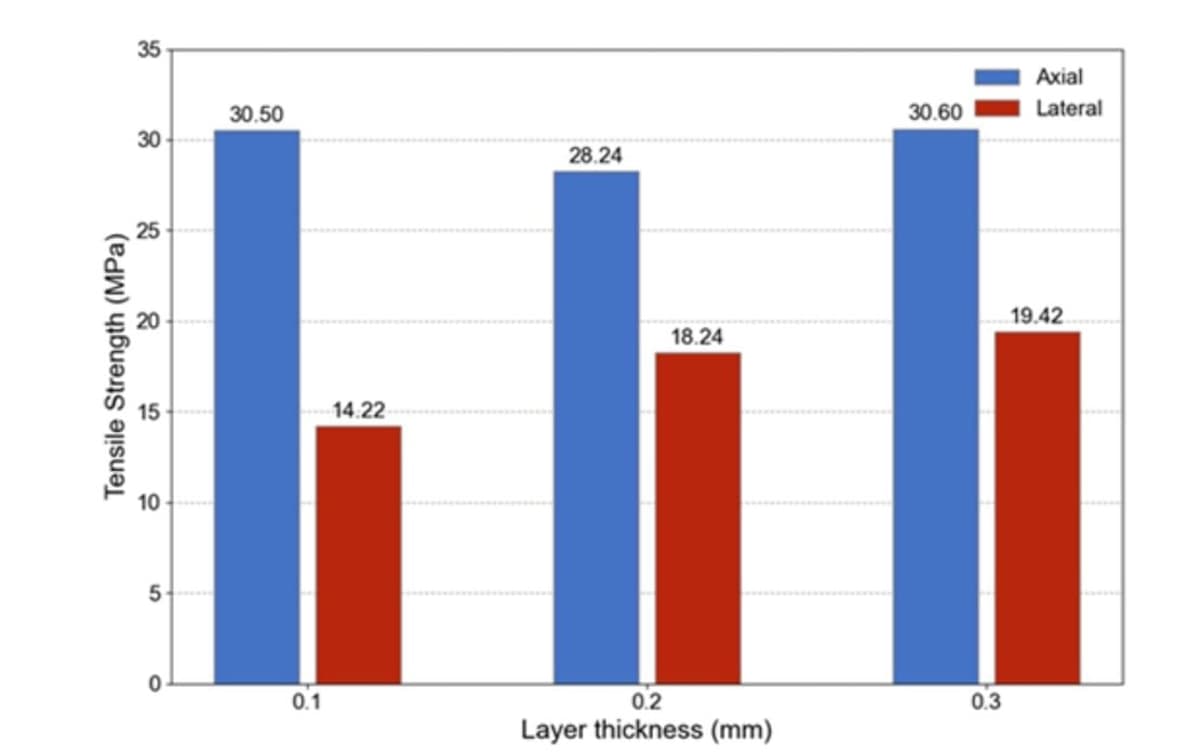
- •Lower layer height raises tensile strength up to 70% at slower speed
- •Machine learning aids defect detection via thermal, vision, acoustic data
- •Orientation errors can cut tensile strength by up to 50%
Pulse Analysis
The review from Saveetha Institute underscores that traditional FFF variables—infilling, layer height, raster angle, print speed, extrusion temperature, and build orientation—remain the primary levers for part strength and dimensional accuracy. By correlating micro‑CT porosity data across PLA, ABS and PETG, the authors demonstrate that even a 0.2 % void fraction yields markedly higher tensile performance than the 5 % observed in hygroscopic PVA prints. Adjusting layer height alone can lift tensile stress by ten to seventy percent, though the trade‑off is longer build times, highlighting the classic speed‑quality balance in polymer additive manufacturing.
Moisture management emerges as a non‑negotiable factor for reliable FFF. The survey cites industry‑wide targets of ≤0.02 % residual moisture for high‑performance polymers such as PEEK and ≤0.04 % for common thermoplastics, thresholds that prevent foamy extrusion, interlayer voids, and warpage. Practical solutions include sealed dry boxes, active desiccant cartridges, and heated filament paths that maintain a stable humidity envelope. Coupled with precise thermal windows derived from DSC and TGA analyses, these controls limit polymer degradation during repeated reheating, preserving glass transition temperatures and mechanical integrity.
Beyond process fundamentals, the paper points to a growing digital layer in FFF quality assurance. Machine‑learning models trained on thermal signatures, visual cues, and acoustic emissions can flag defects in real time, enabling closed‑loop adjustments that reduce scrap rates. Meanwhile, nanomaterial additives and emerging 4D vitrimers promise enhanced stiffness, wear resistance, and recyclability, expanding the functional envelope of desktop printers. For service bureaus and industrial users producing strength‑critical components, integrating drying infrastructure, orientation‑aware slicing, and intelligent sensing offers a clear pathway to higher reliability without sacrificing throughput.
New Review Clarifies FFF Parameters And Performance
Comments
Want to join the conversation?