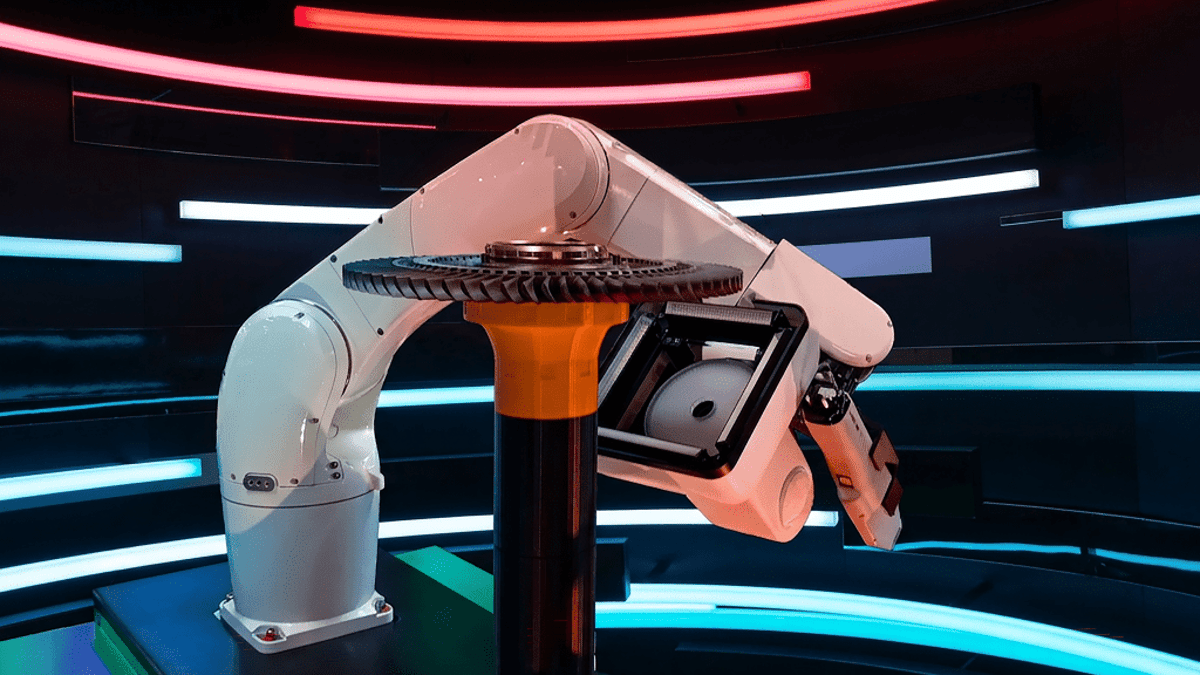
Optimax Launches New Automated System AURA K4D to Identify, Analyse, and Measure Defects in Medical Device Manufacturing
Key Takeaways
- •First single instrument to combine visual inspection and metrology automatically
- •Handles parts up to 800 mm diameter, 500 mm height, 40 kg weight
- •AI-driven CAD2SCAN creates inspection plans from CAD files or deep‑learning scans
- •Micrometer‑level resolution detects pits, scratches, and machine marks missed by standard sensors
Pulse Analysis
The manufacturing of implantable and diagnostic medical devices demands relentless precision because even microscopic flaws can trigger regulatory penalties or patient safety issues. Historically, factories have relied on a two‑step process: operators manually shuttle components from a visual inspection station to a separate metrology lab for dimensional verification. This hand‑off introduces variability, extends cycle time, and requires skilled labor to interpret results. As product complexity grows—featuring intricate geometries and tighter tolerances—companies are under pressure to streamline quality control without compromising accuracy.
Optimax’s AURA K4D answers that pressure by fusing the Kitov CORE+ six‑degree robotic arm with the 4D InSpec surface gauge into a single, closed‑loop system. The robot can manipulate parts up to 800 mm in diameter, 500 mm tall and 40 kg, while the gauge captures non‑contact 3‑D surface data in milliseconds with 2 µm resolution. Powered by CAD2SCAN software, inspection plans are generated automatically from CAD models or via deep‑learning analysis of multiple scans, enabling the system to flag pits, scratches, nicks and machine marks that conventional sensors overlook.
The automation delivers measurable business value: inspection times shrink dramatically, labor costs fall, and defect traceability improves through precise position logging. For medical‑device makers, faster, more reliable quality checks translate into shorter time‑to‑market and stronger compliance with FDA and ISO standards. Moreover, the modular architecture positions AURA K4D for integration with broader Industry 4.0 ecosystems, allowing data to feed predictive maintenance and continuous improvement loops. As competitors scramble to digitize inspection, Optimax’s solution could set a new benchmark for high‑mix, low‑volume production lines.
Optimax launches new automated system AURA K4D to identify, analyse, and measure defects in medical device manufacturing
Comments
Want to join the conversation?