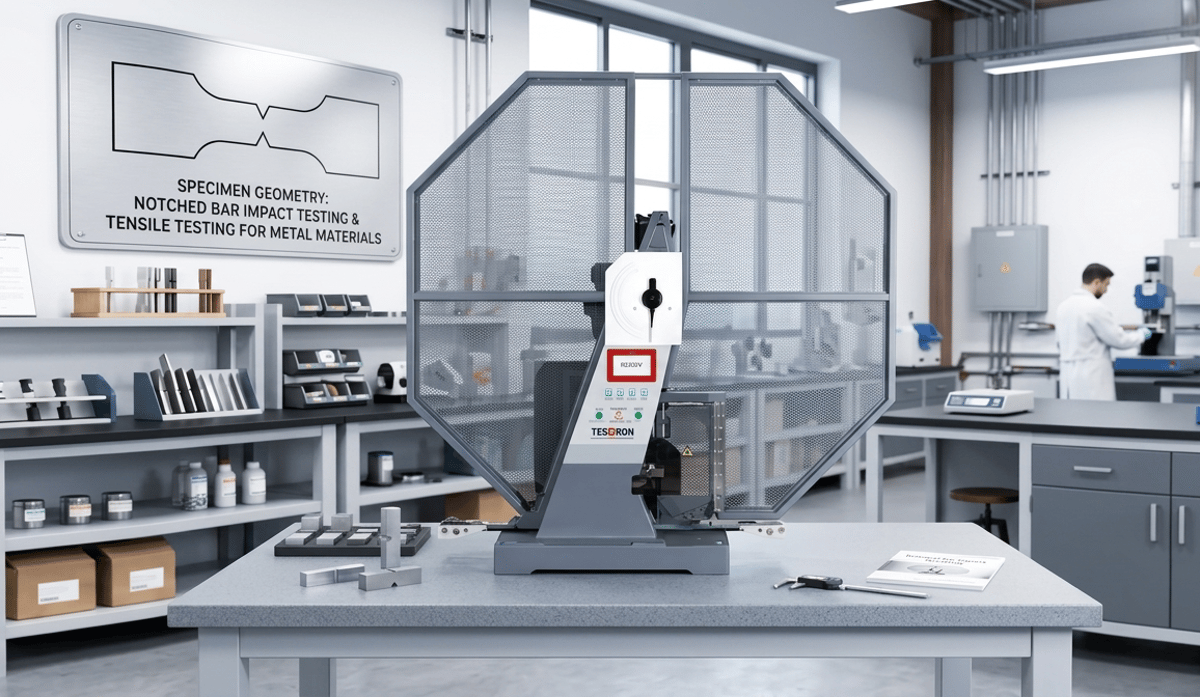
Reducing Product Failures: The Role of Digital Pendulum Impact Testers in Preventing Material Breakage
Key Takeaways
- •Simulate real‑world impacts, catching material weaknesses early
- •Aligns with ASTM E23, ISO 179, ensuring audit‑ready data
- •Cuts scrap rates and warranty claims across automotive, aerospace, construction
- •Choosing a reliable supplier reduces maintenance downtime and long‑term costs
Pulse Analysis
Product failures cost manufacturers millions in scrap, rework, and warranty claims. A digital pendulum impact tester offers a proactive solution by reproducing a controlled swing that measures the energy a sample absorbs before fracturing. The instant, repeatable data replaces guesswork with quantifiable strength metrics, allowing engineers to flag weak polymers, composites, or metals early in the design cycle. This shift from reactive troubleshooting to preventive validation shortens development timelines and protects brand reputation. Moreover, the digital readout eliminates manual calculations, reducing human error and speeding up decision‑making for production managers.
The credibility of those results hinges on compliance with globally recognized standards such as ASTM E23, ASTM D256, ISO 148, ISO 179 and ISO 180. Laboratories that adopt certified digital pendulum systems can generate audit‑ready reports, streamline regulatory approvals, and meet customer specifications across automotive, aerospace, construction, and packaging sectors. Studies show that early‑stage impact testing can reduce material‑related scrap by 15‑20 % and lower warranty expenses by up to 12 %, delivering a clear return on investment for midsize and enterprise manufacturers. For multinational firms, the standardized methodology simplifies cross‑facility data comparison, fostering consistent quality benchmarks worldwide.
Selecting the right manufacturer matters as much as the instrument itself. Suppliers that provide on‑site installation, training, and responsive after‑sales service minimize downtime and protect the long‑term value of the tester. As Industry 4.0 adoption accelerates, many vendors now embed data‑logging APIs and cloud analytics, enabling seamless integration with quality‑management software. Companies that embed digital pendulum testing into daily workflows gain continuous visibility into material performance, turning a single piece of equipment into a strategic asset for product reliability and market competitiveness. Future upgrades may incorporate AI‑driven fracture analysis, further enhancing predictive maintenance capabilities.
Reducing Product Failures: The Role of Digital Pendulum Impact Testers in Preventing Material Breakage
Comments
Want to join the conversation?