Key Takeaways
- •SLS powder degrades after repeated heating, limiting reuse cycles
- •Restoring powder via sieving, blending, or reactive extrusion can extend life
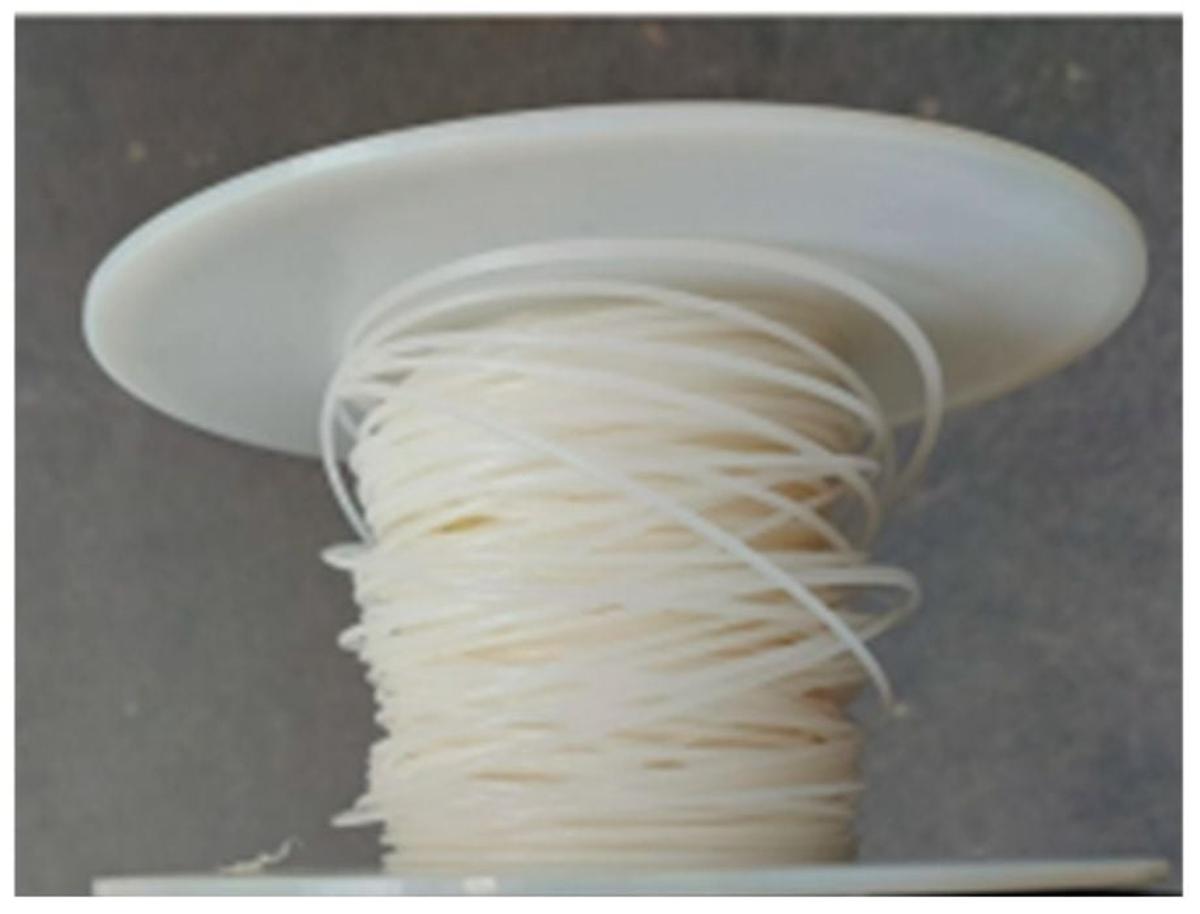
- •Aged PA12 can be compounded into FFF filament or extrusion pellets
- •Powder can serve as filler in injection molding, composites, or coatings
- •OEM take‑back programs and clear EOL criteria accelerate circular use
Pulse Analysis
The additive‑manufacturing community has long grappled with the ‘powder problem’ inherent to selective laser sintering. Each build leaves a substantial fraction of polymer particles untouched, yet these particles endure repeated heating cycles that degrade their molecular structure. As a result, operators must periodically retire powder, incurring disposal fees and losing the embedded energy invested in material production, shipping, and processing. For high‑performance PA12, the cost per kilogram can exceed $100, so the financial and carbon footprints of waste become significant operational concerns.
The Physchem study proposes two pragmatic pathways. First, powder can be rejuvenated for further SLS use by sieving to tighten particle‑size distribution, blending with virgin resin, or applying reactive extrusion with chain extenders to restore molecular weight. Second, the same aged material can be re‑channeled into extrusion‑based processes, producing filament for fused‑filament fabrication or pellets for injection molding, where slightly altered properties are acceptable. A simple decision matrix—evaluating flowability, melt flow rate, DSC and FTIR data—helps shops determine the most valuable downstream application for each batch.
From a business perspective, even a modest reuse rate translates into measurable savings and stronger sustainability reporting. Service bureaus handling large volumes can lower disposal costs while OEMs can differentiate themselves by offering take‑back schemes and clear end‑of‑life specifications. As regulatory pressure mounts on scope‑3 emissions, circular powder strategies become a competitive advantage. Continued investment in low‑cost sorting, drying and reactive extrusion equipment will likely expand the economic case, moving SLS closer to true material circularity.
Study Maps Reuse Paths For SLS Waste Powder
Comments
Want to join the conversation?