The Age of Physical AI: Inside Oshkosh’s Blueprint for an Autonomous Future
•February 24, 2026
0
Why It Matters
By delivering targeted autonomy, Oshkosh improves safety and productivity for essential frontline workers while creating a scalable competitive edge in industrial automation markets.
Key Takeaways
- •Targeted autonomy boosts safety, productivity for frontline workers
- •Automated jet bridges cut delays, reduce aircraft damage risk
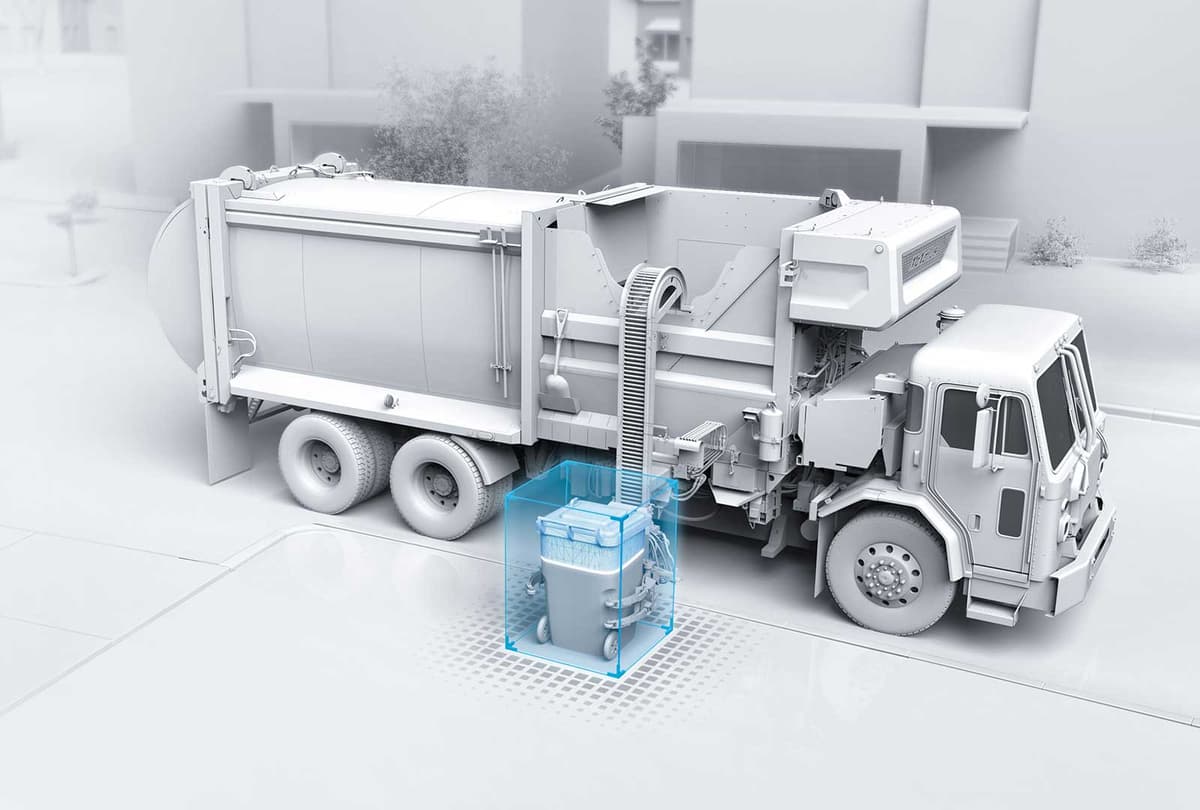
- •HARR‑E robot replaces weekly trucks with on‑demand collection
- •Proprietary training data creates a defensible AI data moat
- •Strategic sourcing secures GPUs, sensors, lowering cost base
Pulse Analysis
The "moments of autonomy" framework marks a shift from blanket automation to precision‑focused AI deployment. Oshkosh identifies tasks where autonomous systems deliver the highest ROI—typically repetitive, high‑risk operations—and builds purpose‑engineered solutions around them. This approach aligns with broader industry trends that prioritize human‑machine collaboration, ensuring that workers retain control over complex decisions while machines handle the grunt work. By quantifying safety and productivity gains in dollar terms, Oshkosh can justify investments to B2B customers and accelerate adoption across sectors that rely on heavy equipment.
At airports, Oshkosh’s autonomous jet‑bridge technology exemplifies the practical benefits of physical AI. Sensors and computer vision pinpoint aircraft doors, guiding the bridge to within five inches of the fuselage, a precision that reduces docking time, minimizes damage, and eases staffing constraints. Similarly, the HARR‑E robot transforms waste management by navigating campus pathways, locating curbside bins, and weighing loads on demand, eliminating the noise and emissions of conventional garbage trucks. These deployments showcase how modular AI platforms can be retrofitted to existing fleets, delivering immediate operational improvements without wholesale equipment replacement.
Beyond individual products, Oshkosh leverages a defensible data moat and strategic sourcing to sustain its competitive advantage. Proprietary training datasets, harvested from defense‑grade autonomous programs, feed robust machine‑learning models while stringent cybersecurity safeguards protect intellectual property. Meanwhile, consolidating the CTO role with strategic sourcing enables bulk procurement of GPUs and rugged sensors, driving down component costs and ensuring supply‑chain resilience. This combination of data depth, cost efficiency, and cross‑industry technology transfer positions Oshkosh to lead the next wave of industrial automation, where physical AI becomes an integral, scalable layer across construction, defense, logistics, and public infrastructure.
The Age of Physical AI: Inside Oshkosh’s Blueprint for an Autonomous Future
0
Comments
Want to join the conversation?
Loading comments...