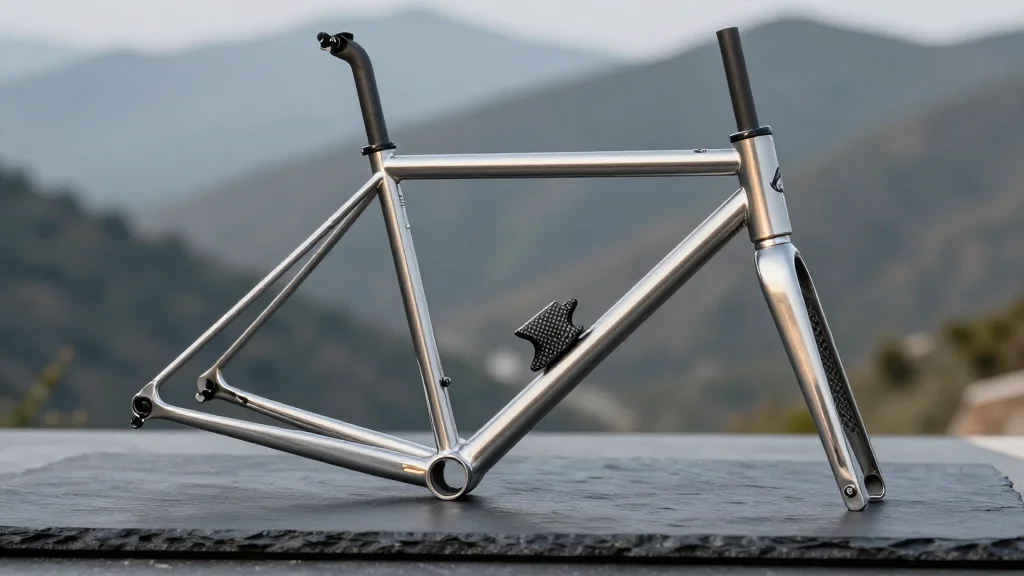
The Radavist Podcast Episode 04: An Engineer’s Take on Why Steel Is Real
Key Takeaways
- •Steel frames offer durability and ride comfort despite higher weight
- •Neuhaus moved production to Taiwan to reduce costs and increase capacity
- •3D printing expands design possibilities but can't replace traditional steel welding
- •Scaling US framebuilding faces supply chain and labor constraints
- •New wheel size concept could reshape niche market demand
Pulse Analysis
Steel’s reputation in the bicycle industry has evolved from a legacy material to a purposeful choice for riders seeking longevity and a supple ride feel. Engineers like Daniel Yang argue that while aluminum and carbon fiber dominate headline‑grabbing weight battles, steel’s high tensile strength and inherent damping qualities deliver a unique blend of performance and resilience. Moreover, the material’s recyclability aligns with growing consumer demand for sustainable products, positioning steel‑frame manufacturers to capture a segment of environmentally conscious cyclists.
Manufacturing realities are reshaping where and how steel frames are built. Neuhaus Metalworks’ relocation of its production line to Taiwan reflects a broader trend of Western brands leveraging Asian manufacturing efficiencies to curb labor costs and accelerate volume capacity. At the same time, advances in additive manufacturing enable designers to prototype complex geometries that were previously impractical with traditional welding, though the technology remains a complement rather than a replacement for the proven strength of steel joints. Independent framebuilders in the U.S. confront tighter supply chains, skilled‑labor shortages, and rising material expenses, forcing many to reconsider scaling strategies or partner with overseas facilities.
The discussion of an alternative wheel size hints at the next frontier of niche innovation. By deviating from standard 700c or 650b dimensions, manufacturers can tailor handling characteristics and aesthetic appeal, potentially unlocking new market segments. For consumers, such differentiation offers a more personalized riding experience, while for brands it creates a defensible point of distinction in a crowded marketplace. As the premium bike sector continues to balance heritage materials with cutting‑edge technology, the interplay between steel’s timeless qualities and modern manufacturing tactics will likely dictate competitive advantage in the years ahead.
The Radavist Podcast Episode 04: An Engineer’s Take on Why Steel Is Real
Comments
Want to join the conversation?