Third-Party Software Marks New Phase in 3D Concrete Printing Development
•March 3, 2026
0
Key Takeaways
- •CAMADA offers third‑party 3DCP slicing software.
- •Converts models to G‑code for robotic arms and gantries.
- •Supports simple model creation within the platform.
- •First independent tool for 3D concrete printing workflow.
- •Could drive competition and feature upgrades among equipment vendors.
Summary
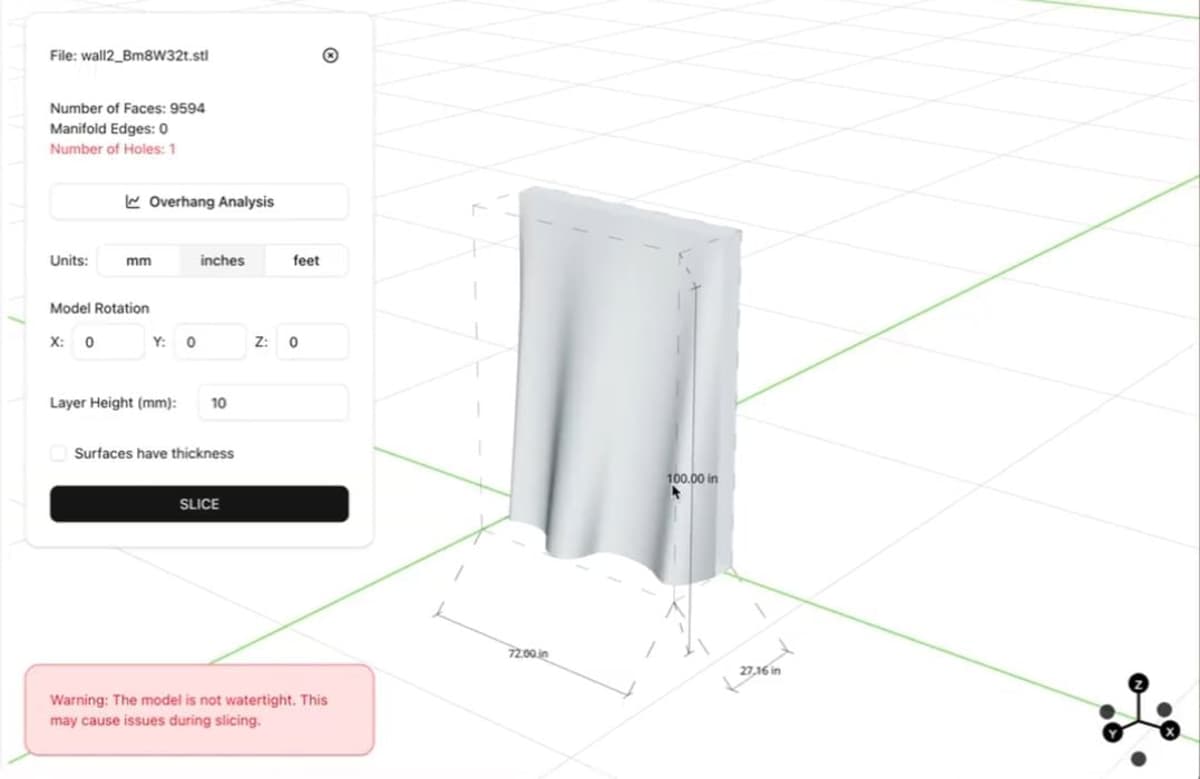
Third‑party software for 3D concrete printing (3DCP) has emerged with Portugal‑based CAMADA. The platform converts 3D models into G‑code optimized for robotic‑arm or gantry printers and even allows basic model creation. Historically, 3DCP operators relied on proprietary slicers supplied by equipment manufacturers. CAMADA’s entry marks a shift toward a more open, competitive software ecosystem.
Pulse Analysis
The 3D concrete printing (3DCP) sector has long been dominated by hardware innovation, with manufacturers focusing on larger gantries, higher extrusion rates, and new cementitious mixes. While these advances have expanded the scale of printable structures, the software layer—responsible for translating architectural models into printer‑ready instructions—has remained fragmented and largely proprietary. This mirrors the early days of fused‑filament fabrication, where each printer came with its own slicer, limiting cross‑compatibility and slowing broader adoption.
Enter CAMADA, a Portugal‑based startup that delivers a dedicated slicer and workflow manager for 3DCP. By converting CAD files into optimized G‑code for both robotic‑arm and gantry‑based printers, CAMADA streamlines the preparation phase that traditionally required custom scripts or vendor‑specific tools. The platform also includes a lightweight modeling environment, enabling users to sketch simple wall geometries without leaving the software. For contractors and construction firms, this reduces the learning curve, shortens project lead times, and opens the technology to firms without deep in‑house engineering resources.
The emergence of an independent software provider signals a maturing ecosystem where hardware and software evolve in tandem. Competition is likely to push existing equipment makers to enhance their own interfaces, potentially leading to standardized file formats and shared best‑practice libraries. As more players adopt third‑party tools, the cost of entry for 3DCP projects could decline, accelerating its integration into mainstream construction workflows and encouraging regulatory bodies to develop clearer guidelines for printed concrete structures.
Comments
Want to join the conversation?