Which Desktop 3D Printing Features Are on the Way Out?
Key Takeaways
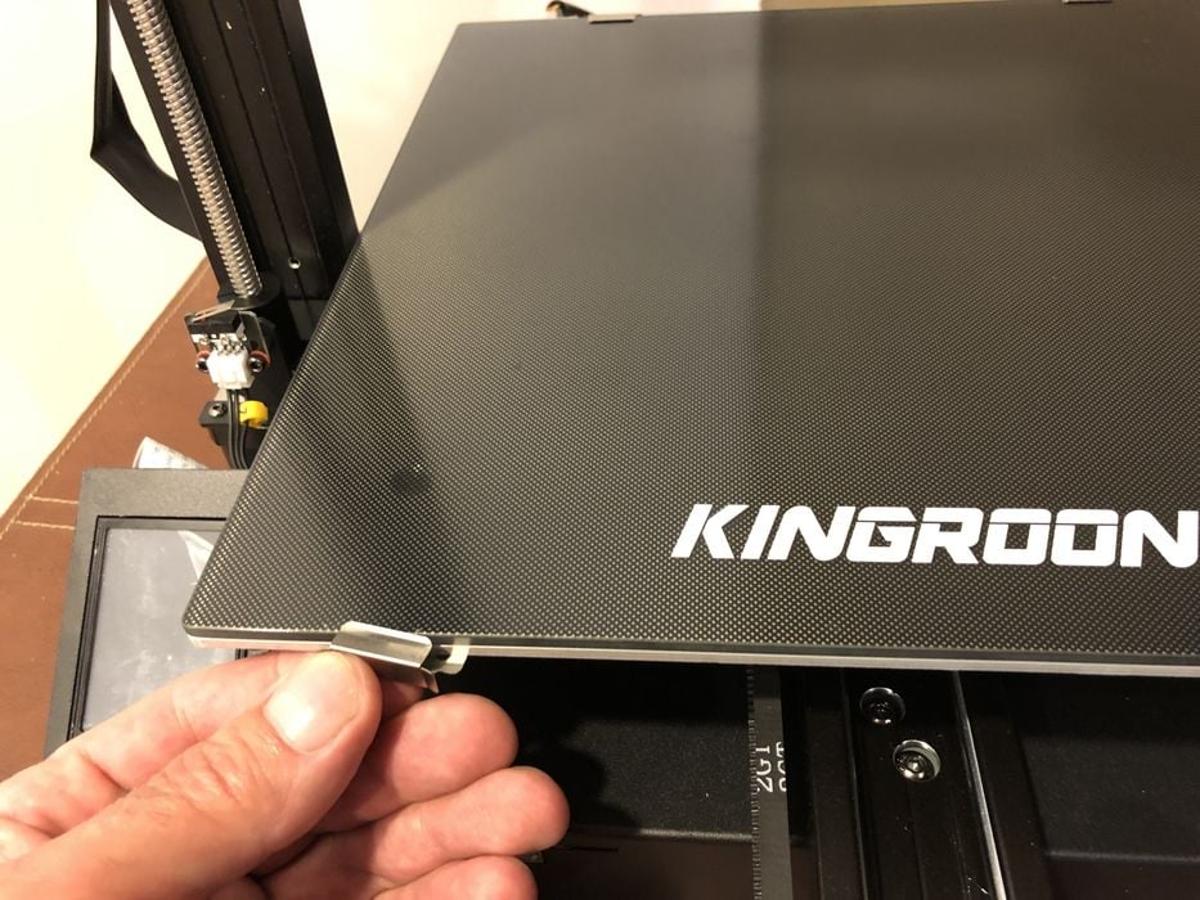
- •Glass beds replaced by magnetic PEI steel sheets
- •Manual leveling supplanted by auto‑calibration and load‑cell Z‑offset
- •LCD panels give way to color touchscreens across new models
- •Bowden extruders risk vanishing as direct‑drive dominates
- •Integrated filament drying may eliminate external dryer accessories
Pulse Analysis
Desktop 3D printing has moved from hobbyist tinkering to near‑industrial reliability, shedding legacy hardware that once defined the market. Early machines relied on glass build plates, manual bed leveling knobs, and basic LCD interfaces, demanding constant user attention. Today, magnetic PEI‑coated steel sheets, auto‑leveling sensors, and full‑color touchscreens are standard, delivering faster setup and higher print quality while reducing entry barriers for newcomers.
The next evolution targets remaining niche components. Standalone filament runout sensors are likely to be absorbed into comprehensive material handling modules that also dry and monitor humidity. Direct‑drive extruders are gaining ground over Bowden designs, especially for flexible filaments like TPU, making the latter increasingly obsolete. Likewise, user‑initiated input‑shaper calibration may disappear as manufacturers ship printers pre‑tuned with embedded accelerometers, streamlining the workflow for both pros and hobbyists.
For the industry, these eliminations translate into tighter bill of materials, lower production costs, and more compelling value propositions. Companies that integrate these functions can differentiate themselves with sleek, appliance‑like devices that require minimal maintenance, driving broader adoption in education, small‑business prototyping, and even low‑volume manufacturing. Consumers benefit from reduced downtime, fewer calibration steps, and a clearer upgrade path, reinforcing the momentum toward fully automated, multi‑material desktop printers that blur the line between consumer gadgets and professional equipment.
Which Desktop 3D Printing Features are on the Way Out?
Comments
Want to join the conversation?