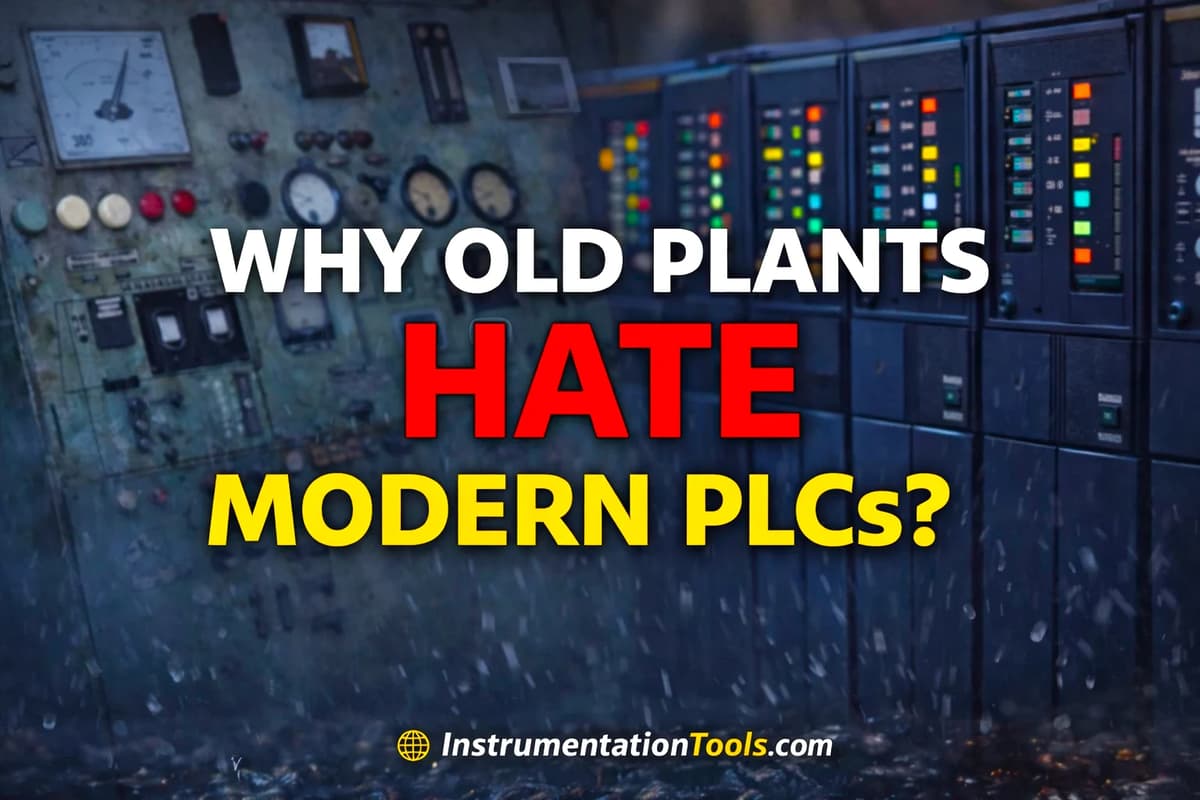
Why Old Plants Hate Modern PLCs?
Key Takeaways
- •Legacy PLCs run 15‑30 years with minimal downtime.
- •Incomplete documentation hides hidden logic and technical debt.
- •Technicians lose hands‑on confidence with software‑centric controllers.
- •Modern PLCs expose outdated wiring and grounding issues.
- •IT integration raises cybersecurity risks and cost concerns.
Pulse Analysis
Legacy automation in mature plants functions like a well‑kept garden; the existing PLC has tended the process for decades, delivering predictable output with almost no interruptions. When a modern, Ethernet‑enabled controller is proposed, plant leaders weigh the risk of a single hour of unplanned downtime against the comfort of a system that has never failed. This risk‑averse mindset is amplified by the high cost of production loss, making any change—no matter how technically superior—appear as a potential threat to the bottom line.
The technical hurdles are equally compelling. Over years of ad‑hoc modifications, original schematics become obsolete, and undocumented interlocks hide behind panels. A new PLC forces a full audit, revealing tangled wiring, inadequate grounding, and voltage spikes that older controllers tolerated but modern processors cannot. Simultaneously, the shift from panel‑level troubleshooting to laptop‑based diagnostics transfers control to automation engineers and IT departments, introducing cybersecurity policies, password management, and network segmentation that many plant technicians have never encountered.
From a business perspective, the upgrade’s value lies in long‑term reliability, predictive maintenance, and scalability rather than immediate production gains. Successful migrations therefore combine phased rollouts, thorough documentation, and intensive training to preserve technician confidence. Leveraging digital twins or simulation environments can validate logic before plant shutdowns, while clear ROI models—highlighting reduced spare‑part inventory, faster fault isolation, and future expansion readiness—help justify the capital outlay to skeptical executives.
Why Old Plants Hate Modern PLCs?
Comments
Want to join the conversation?