10 Automation Trends Shaping Skilled Trades
Why It Matters
These trends expand employment opportunities while demanding higher technical proficiency, making upskilling essential for trade professionals to stay competitive.
Key Takeaways
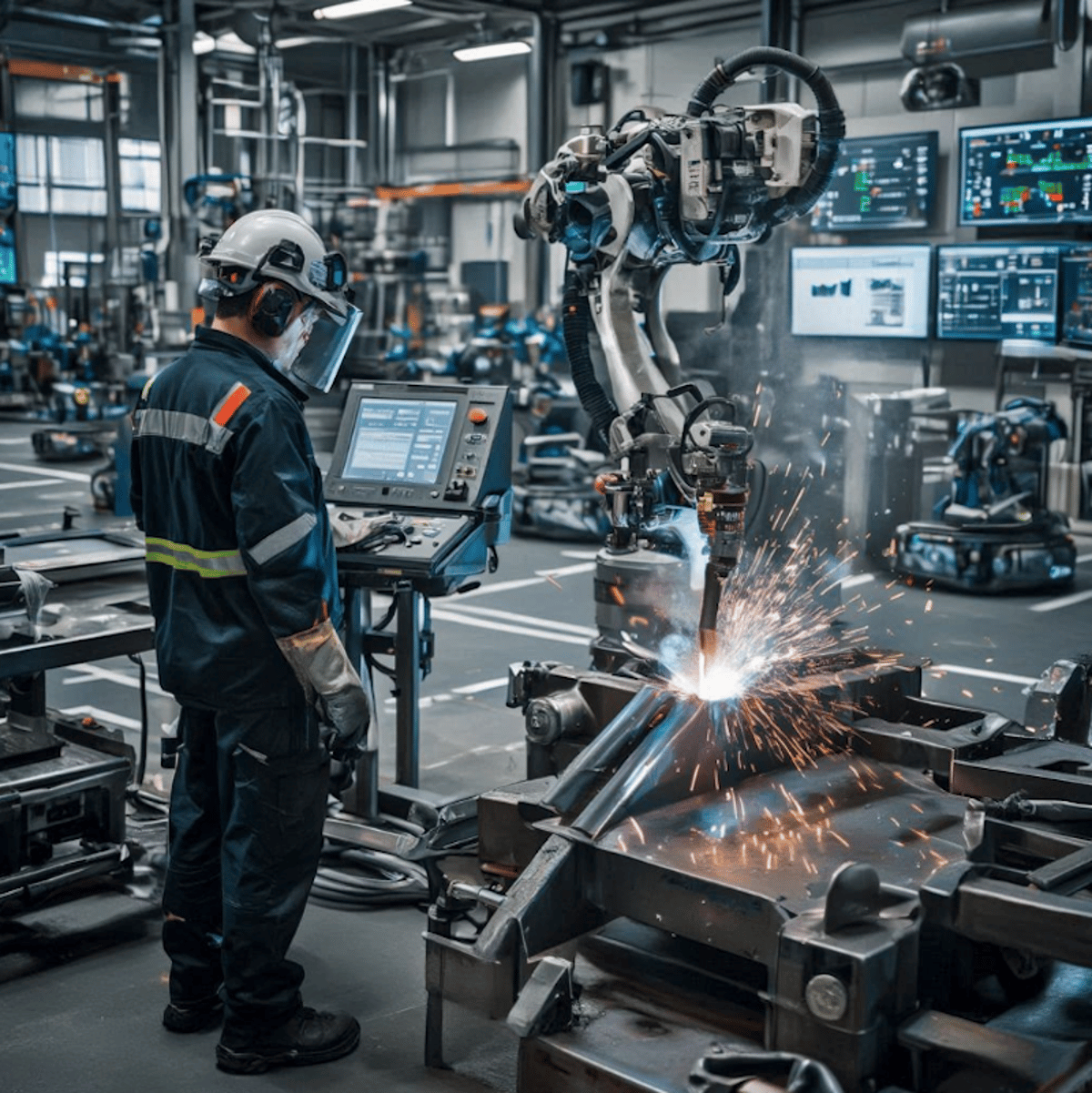
- •Robotic welding cells shift welders to programming and inspection roles
- •AMRs increase demand for technicians managing charging stations and fleet software
- •AI vision systems require skilled workers to recalibrate sensors and maintain throughput
- •EV battery assembly robotics create high‑voltage safety jobs for electricians
- •Predictive maintenance sensors move technicians from reactive fixes to data‑driven planning
Pulse Analysis
Automation’s march into factories, warehouses, and even hospitals is redefining the core responsibilities of traditional trades. Rather than displacing welders, electricians, and refrigeration technicians, robots and AI are turning these roles into hybrid positions that blend hands‑on expertise with digital fluency. Workers now spend more time configuring robotic cells, troubleshooting sensor networks, and interpreting data streams, which elevates the overall productivity of manufacturing and logistics operations.
Sector‑specific adoption highlights the breadth of the shift. In metal fabrication, robotic welding cells free artisans from repetitive passes, allowing them to focus on programming and quality inspection. Autonomous mobile robots in airports and fulfillment centers generate a surge in demand for technicians who maintain charging infrastructure and fleet software. Meanwhile, EV battery assembly lines and smart building controls require electricians comfortable with high‑voltage safety protocols and programmable logic controllers, while data‑center cooling automation calls on refrigeration specialists to manage AI‑driven temperature regulation.
Looking ahead, the sustained growth of predictive‑maintenance sensors and service robots signals a long‑term reorientation of trade curricula. Apprenticeship programs and vocational schools must embed robotics, AI fundamentals, and data analytics into their core offerings to produce a workforce ready for the automated era. Policymakers and industry leaders alike benefit from supporting continuous upskilling initiatives, ensuring that the skilled trades remain the indispensable backbone of every automated system.
10 Automation Trends Shaping Skilled Trades
Comments
Want to join the conversation?
Loading comments...