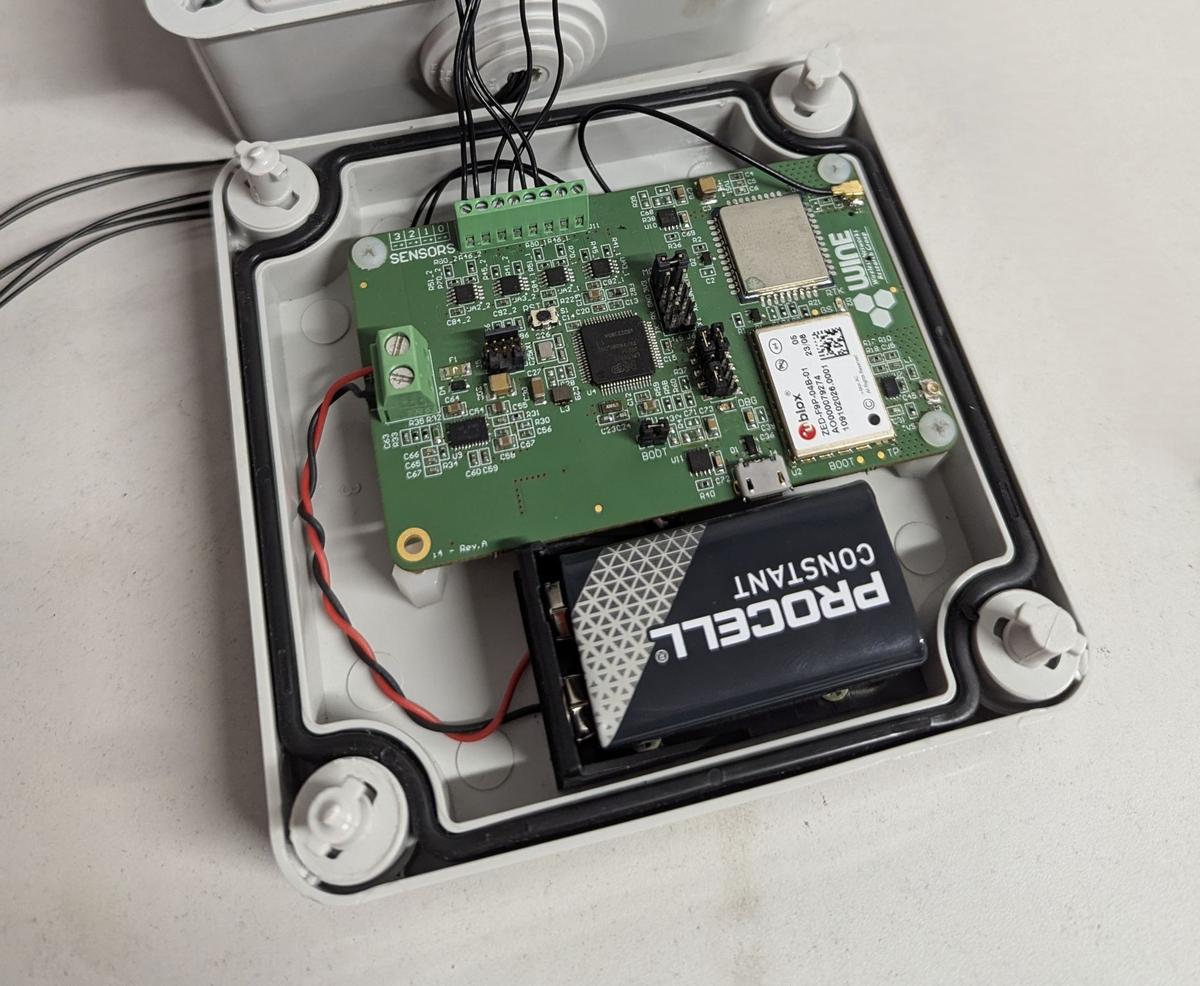
3D Printed Battery Powers Predictive Maintenance in Steel Production
Why It Matters
Self‑powered, high‑temperature sensors transform steel‑production reliability, delivering significant cost savings and sustainability gains while showcasing additive manufacturing’s role in industrial IoT.
Key Takeaways
- •3D‑printed solid‑oxide battery powers self‑contained sensor on steel mill shaft
- •Predictive monitoring can avoid 4‑8 hour shutdowns, saving ~$200k per incident
- •Battery operates at 1,200 °C, eliminating wired power in extreme environments
- •Project plans rollout across CELSA line and future infrastructure monitoring
- •Additive‑manufactured sensors improve energy efficiency and cut emissions
Pulse Analysis
Predictive maintenance has become a cornerstone of modern heavy‑industry strategy, yet traditional sensor networks struggle in the extreme heat and vibration of steel plants. The 3Dstore initiative tackles this gap by marrying additive manufacturing with solid‑oxide battery technology. By printing the battery to exact geometries, engineers achieve a compact, high‑temperature power source that can sit directly on a rolling‑mill shaft, feeding a low‑energy electronic module that streams real‑time data via cellular links. This approach sidesteps the need for external wiring or frequent battery swaps, a logistical hurdle that has limited IoT adoption in harsh environments.
The business implications are immediate. A single unplanned shutdown at CELSA can halt production for up to eight hours, incurring costs in the hundreds of thousands of euros—approximately $200,000 per event. Early fault detection not only averts these losses but also prevents the ancillary energy waste of furnaces that continue to burn gas while idle. The result is a dual benefit: tighter operational margins and a measurable reduction in carbon emissions, aligning with both profit and sustainability targets. As the consortium scales the solution across additional stations, the cumulative savings could reach multi‑million‑dollar levels annually.
Beyond steelmaking, the technology signals a broader shift toward self‑sustaining industrial IoT deployments. Researchers envision retrofitting bridges, tunnels, and other critical infrastructure with similar 3D‑printed, battery‑powered sensors, extending the predictive‑maintenance paradigm to public assets. The convergence of high‑temperature additive manufacturing and digital monitoring positions firms that adopt early as leaders in reliability, energy efficiency, and data‑driven decision‑making, setting a new benchmark for the next generation of smart factories.
3D Printed Battery Powers Predictive Maintenance in Steel Production
Comments
Want to join the conversation?
Loading comments...