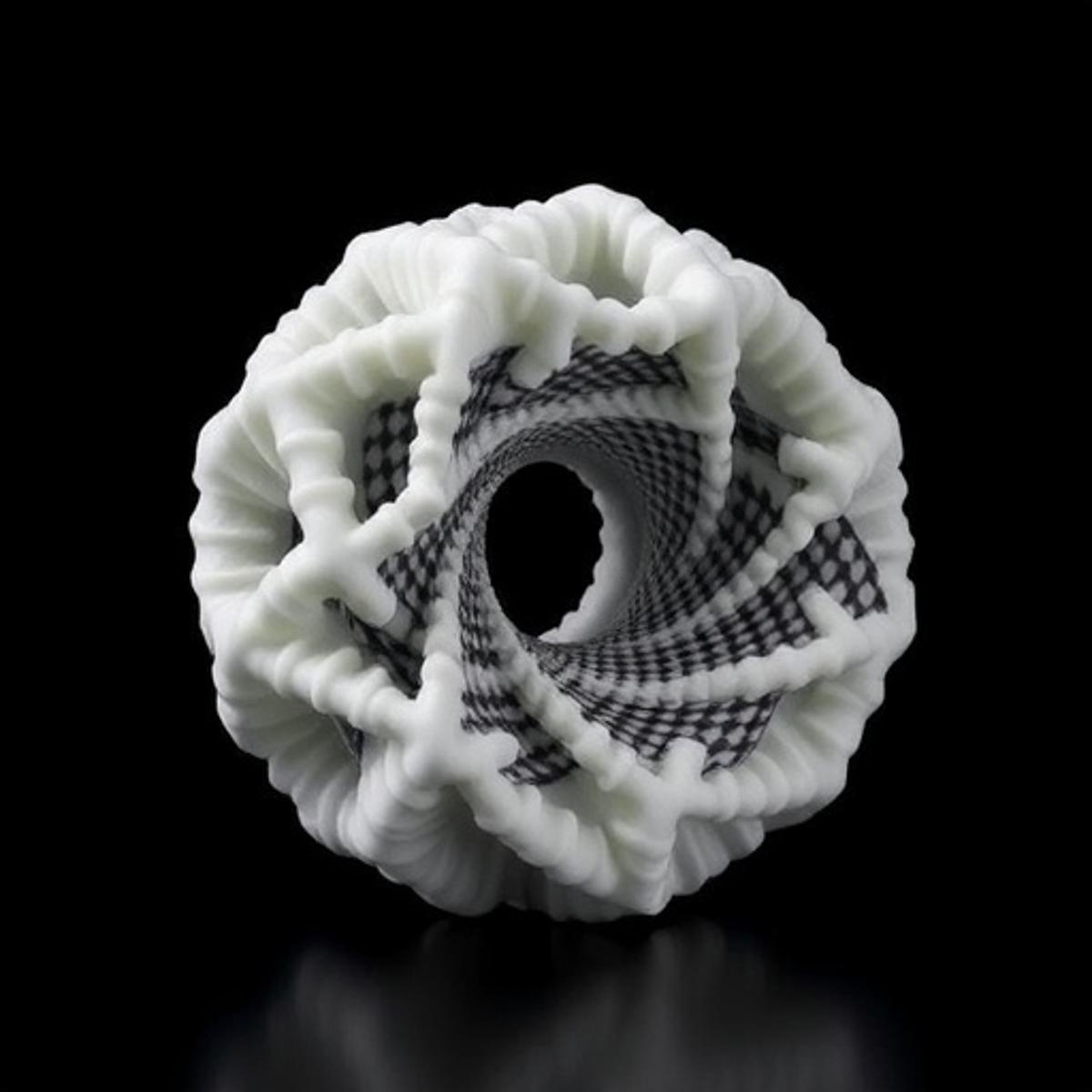
3D Printing of Carbon Fiber-Reinforced Ceramic Composites
Why It Matters
The ability to rapidly fabricate high‑temperature, high‑strength ceramic parts could slash weight and cost for critical aerospace and defense applications, accelerating adoption of advanced composites across the supply chain.
Key Takeaways
- •Stereolithography prints carbon‑fiber‑reinforced ceramics in hours
- •Tensile strength reaches 200 MPa, fracture toughness 15 MPa·√m
- •Parts survive continuous operation at 1,500 °C
- •Weight reductions of up to 40 % versus titanium alloys
Pulse Analysis
Additive manufacturing has long struggled with high‑performance ceramics, which are brittle and require extreme processing temperatures. By integrating carbon fibers into a photocurable ceramic slurry, the new stereolithography platform overcomes these hurdles, enabling layer‑by‑layer curing that locks fibers in place before sintering. This hybrid approach preserves the ceramic’s thermal resilience while imparting the fiber’s tensile strength, delivering a material that can endure the harsh environments typical of jet engines and hypersonic vehicles.
The research team reported that printed test coupons achieved a tensile strength of about 200 MPa and a fracture toughness of 15 MPa·√m—metrics that rival or exceed many metal alloys used today. Moreover, the parts maintained structural integrity at continuous temperatures of 1,500 °C, a threshold that opens doors to turbine‑inlet components, heat shields, and high‑temperature tooling. The ability to fabricate intricate lattice structures also means designers can optimize for weight savings without sacrificing stiffness, potentially cutting component mass by up to 40 % compared with titanium equivalents.
From a market perspective, this breakthrough aligns with aerospace manufacturers’ push for lighter, more fuel‑efficient aircraft and the defense sector’s demand for durable, heat‑resistant parts. Faster lead times and reduced material waste translate into lower production costs, making CFR‑CMCs a viable alternative to traditional machining and investment casting. As certification pathways for additive‑manufactured ceramics mature, industry analysts expect a gradual rollout of these components in next‑generation engines and space‑flight hardware, reshaping supply chains and material sourcing strategies.
3D Printing of Carbon Fiber-Reinforced Ceramic Composites
Comments
Want to join the conversation?
Loading comments...