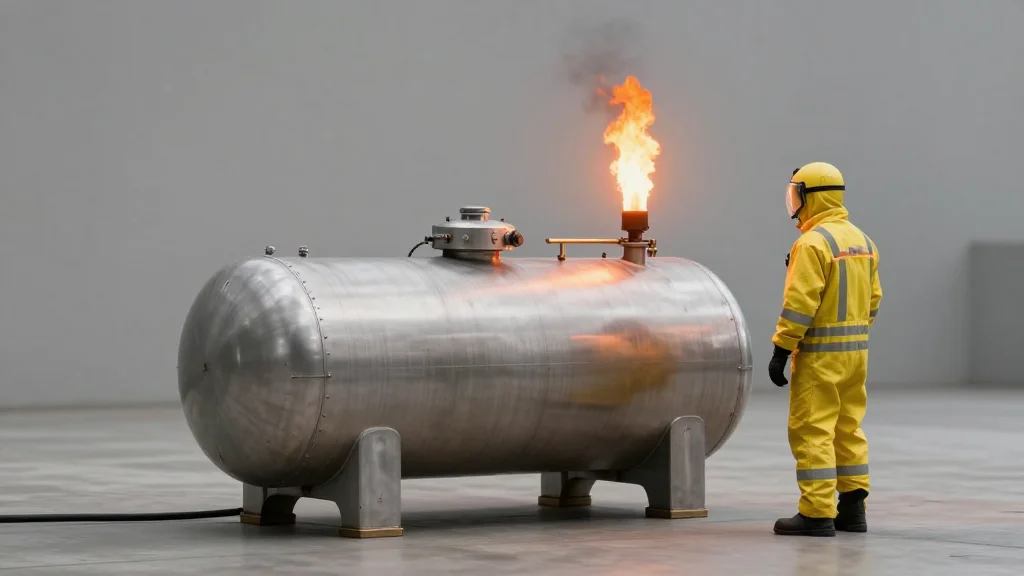
40,000 Evacuated as GKN Aerospace Chemical Tank Threatens Explosion in Orange County

Why It Matters
The incident highlights the vulnerability of critical manufacturing infrastructure to chemical accidents, especially when hazardous materials are integral to high‑value aerospace production. A failure at GKN Aerospace not only threatens public health and the environment but also jeopardizes the timely delivery of aircraft components, potentially amplifying existing supply‑chain bottlenecks in the aviation sector. Beyond immediate safety concerns, the evacuation raises broader questions about regulatory oversight of chemical storage at aerospace facilities, emergency‑response coordination across multiple jurisdictions, and the resilience of manufacturers that rely on single‑site production. How quickly the plant can resume operations will serve as a barometer for the industry’s ability to absorb shocks without cascading delays.
Key Takeaways
- •Over 40,000 residents evacuated from six Orange County cities due to a leaking MMA tank at GKN Aerospace.
- •The tank holds 6,000‑7,000 gallons of methyl methacrylate, a highly volatile and flammable chemical.
- •Division Chief Craig Covey warned of two outcomes: a spill or a thermal‑runaway explosion.
- •EPA and local air‑quality agencies deployed monitors to track potential airborne contamination.
- •Production at GKN Aerospace halted, raising concerns about aerospace parts supply‑chain disruptions.
Pulse Analysis
The Garden Grove incident is a stark reminder that high‑tech manufacturing hubs sit atop complex chemical processes that can become flashpoints for community risk. Historically, aerospace firms have operated under stringent safety protocols, yet the convergence of aging infrastructure, a faulty valve, and the sheer volume of MMA created a scenario that local responders described as “the most significantly dangerous event” in a 32‑year fire‑service career. This underscores a systemic need for periodic risk reassessments, especially for facilities handling large quantities of reactive monomers.
From a market perspective, any interruption at GKN Aerospace reverberates through the tiered supply chain that feeds major OEMs like Boeing and Airbus. Even a brief production pause can trigger a cascade of schedule slips, inventory shortages, and cost escalations—factors already inflating aircraft prices amid post‑pandemic demand. Competitors with diversified sourcing may capture short‑term market share, while GKN faces pressure to demonstrate robust contingency planning.
Looking ahead, regulators are likely to scrutinize storage tank integrity standards and emergency‑response coordination across municipal boundaries. The incident could accelerate adoption of advanced monitoring technologies—such as real‑time temperature sensors and automated pressure relief systems—to pre‑empt thermal runaway. For investors and industry watchers, the episode serves as a risk indicator: companies that embed resilience into their operational design may weather such shocks better, while those that rely on single‑point facilities could see valuation impacts if similar events recur.
40,000 Evacuated as GKN Aerospace Chemical Tank Threatens Explosion in Orange County
Comments
Want to join the conversation?
Loading comments...