5 Manufacturers Announcing New US Production Facilities
Why It Matters
The wave of U.S. manufacturing expansion strengthens domestic supply chains, reduces reliance on overseas production, and fuels job growth in high‑skill sectors.
Key Takeaways
- •Novartis adds 56,200‑sq‑ft API plant in NC, part of $23B U.S. spend
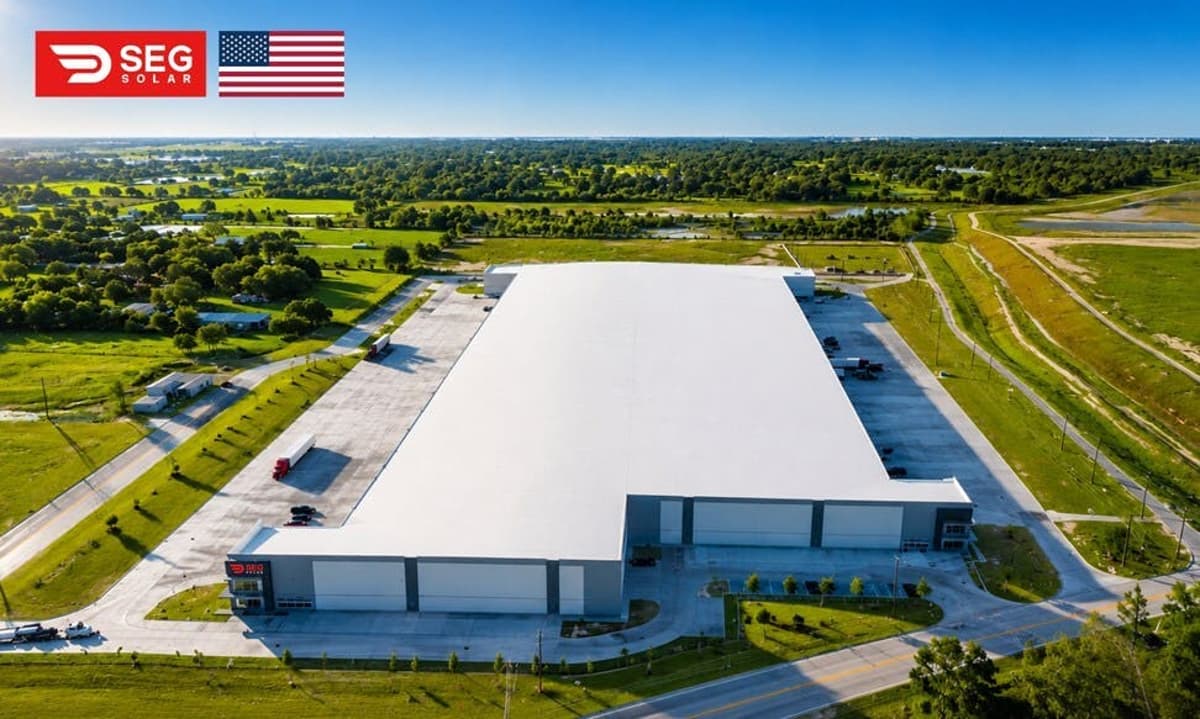
- •SEG Solar invests $200M for 4 GW plant in Texas, 800 jobs
- •Eaton's 370,000‑sq‑ft Bellevue factory will produce data‑center switchgear by 2027
- •AbbVie commits $1.4B to Durham campus, hiring 734, completion slated for 2028
- •Whirlpool spends $60M to convert Ohio site into 11th U.S. appliance factory
Pulse Analysis
The announcements underscore a renewed emphasis on reshoring as companies respond to geopolitical uncertainty and tightening supply‑chain constraints. Novartis’ $23 billion U.S. manufacturing program, highlighted by a new active‑pharmaceutical‑ingredients facility in North Carolina, signals the pharmaceutical industry’s drive to localize critical drug components. Meanwhile, SEG Solar’s $200 million investment in a 4 GW module plant in Texas reflects the accelerating demand for domestically produced solar panels, a sector traditionally dominated by Asian exporters. Together, these moves illustrate how capital is flowing back into American factories.
Each project targets a distinct market niche, yet all share a common theme of advanced automation and flexible production. Eaton’s 370,000‑sq‑ft Bellevue, Nebraska, plant will supply switchgear for data‑center infrastructure, a segment poised for exponential growth as cloud services expand. AbbVie’s $1.4 billion Durham campus will support immunology, neuroscience and oncology therapeutics, reinforcing the U.S. as a hub for cutting‑edge drug development. Whirlpool’s $60 million conversion of an Ohio building into its 11th appliance factory blends robotics with skilled labor to meet rising demand for energy‑efficient washers and dryers.
The cumulative job creation—estimated at over 2,600 positions—offers a tangible boost to local economies and helps address the skilled‑worker shortage that has hampered previous reshoring attempts. Federal incentives, such as the Inflation Reduction Act’s tax credits for domestic production, are likely amplifying these investments. As the facilities come online between 2027 and 2028, they will not only increase U.S. output capacity but also provide a template for other multinational firms weighing similar moves. The trend suggests a longer‑term shift toward a more resilient, home‑based manufacturing ecosystem.
5 Manufacturers Announcing New US Production Facilities
Comments
Want to join the conversation?
Loading comments...