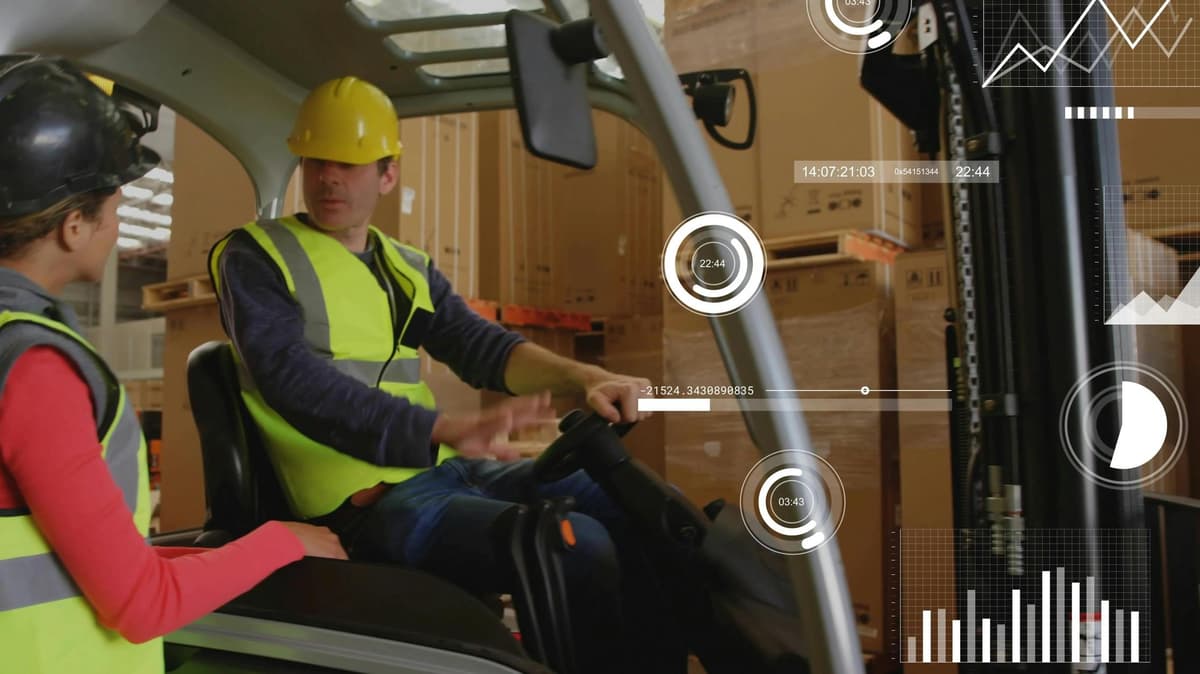
A Strategic Guide to Material Handling Fleet Management
Why It Matters
Unified fleet data turns fragmented operations into cost‑saving, safety‑enhancing assets, directly boosting productivity and bottom‑line performance for warehouses and distribution centers.
Key Takeaways
- •Telematics provides real-time usage data to identify under‑utilized equipment.
- •Unified data platform eliminates metric inconsistencies across mixed‑brand fleets.
- •Collision‑avoidance systems cut damage costs and improve worker safety.
- •AI‑driven impact detection flags risky operator behavior for targeted training.
- •Consolidated analytics accelerate procurement decisions and reduce excess equipment spend.
Pulse Analysis
Warehouse operators are increasingly treating material handling equipment as a digital asset rather than a static tool. Telematics now streams granular usage, battery health, and operator identity to a central dashboard, enabling managers to pinpoint idle forklifts, schedule predictive maintenance, and balance workloads across multiple sites. This data‑first mindset aligns with broader logistics trends—automation, real‑time visibility, and AI‑enhanced decision making—making MHE fleets a critical lever for improving throughput and reducing labor waste.
The biggest obstacle to realizing these gains is data fragmentation. Companies that source lift trucks from several manufacturers end up with disparate telematics platforms, each defining "utilization" differently and speaking its own API language. Attempts to force a single‑vendor fleet often require costly equipment write‑offs, while custom middleware introduces perpetual integration overhead as firmware updates break connections. The result is a hidden operational tax: delayed insights, duplicated safety investigations, and missed opportunities to reallocate underused assets.
A unified, manufacturer‑agnostic data architecture solves the problem by standardizing data capture at the hardware level and funneling every metric into one analytics engine. This single integration point delivers consistent benchmarks, faster incident response, and clearer ROI calculations—lower insurance premiums, fewer workers’ compensation claims, and higher equipment uptime. As safety systems like UWB collision avoidance and AI‑driven impact detection become commonplace, the ability to aggregate their signals across an entire mixed fleet will differentiate industry leaders from laggards, driving both cost efficiency and employee retention.
A Strategic Guide to Material Handling Fleet Management
Comments
Want to join the conversation?
Loading comments...