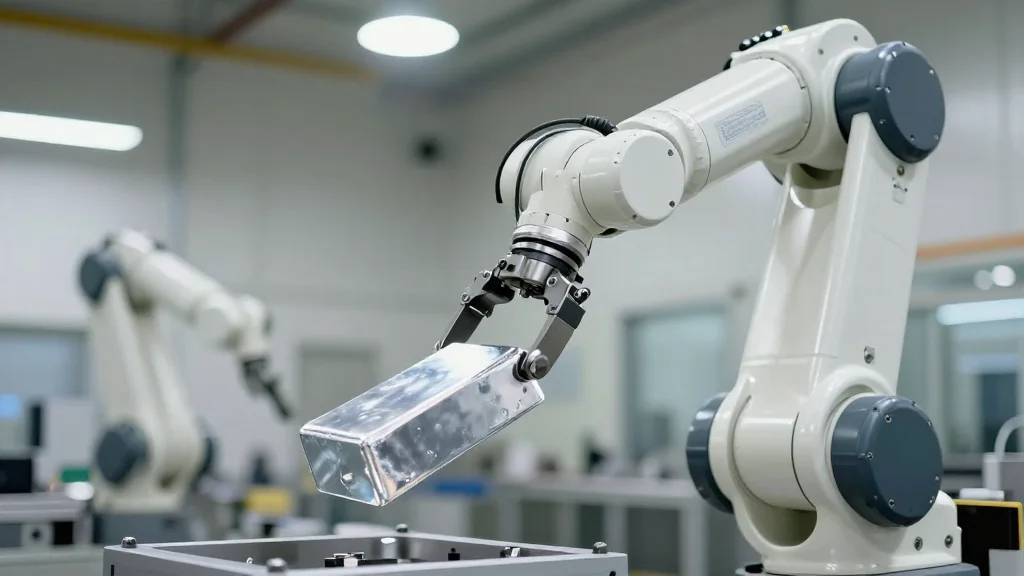
ABB Restarts Flood‑Damaged Novelis Plant, Protecting Global Auto Aluminum Supply

Companies Mentioned
Why It Matters
The rapid restart of Novelis' aluminum plant illustrates how critical automation partners like ABB have become in safeguarding supply chains that underpin the automotive industry. Aluminum is a cornerstone material for lightweight vehicle construction, and any disruption can delay model launches and affect profitability across the sector. By leveraging its robotics and digital solutions, ABB not only helped a key supplier recover but also demonstrated a template for resilience that other manufacturers may emulate as climate‑related events become more frequent. Furthermore, the episode highlights the strategic importance of integrating real‑time monitoring and predictive maintenance into legacy manufacturing sites. As OEMs push for tighter inventory turns, the ability to restore capacity within days rather than weeks can translate into billions of dollars in avoided losses, reinforcing the business case for continued investment in Industry 4.0 technologies.
Key Takeaways
- •ABB announced the restart of Novelis' flood‑damaged aluminum plant.
- •The restart is positioned as a safeguard for global automotive supply chains.
- •No specific production figures or timelines were disclosed in the release.
- •ABB's automation and robotics solutions were cited as key to the rapid recovery.
- •The event underscores the growing role of digital infrastructure in manufacturing resilience.
Pulse Analysis
ABB's swift action at the Novelis facility is a textbook example of how automation vendors can transition from traditional equipment suppliers to strategic crisis‑response partners. Historically, plant shutdowns caused by natural disasters have forced OEMs to scramble for alternative sources, often at premium costs and with quality trade‑offs. ABB’s ability to mobilize its control‑system expertise and robotics platforms suggests that the company has built a robust service layer capable of rapid deployment, a capability that competitors such as Siemens and Rockwell Automation are also racing to develop.
From a market perspective, the incident may accelerate demand for integrated digital twins and remote monitoring solutions. If ABB can demonstrate measurable reductions in downtime across multiple sites, it could capture a larger share of the $150 billion industrial automation market. Moreover, the episode could prompt automakers to reassess supplier risk models, placing greater weight on partners that can guarantee continuity under extreme weather scenarios.
Looking forward, the key question is whether ABB will translate this operational win into a broader commercial narrative. The company could leverage the Novelis case study to pitch its resilience services to other aluminum producers, battery manufacturers, and even aerospace firms—all of which rely on high‑volume metal processing. Success will depend on quantifiable outcomes—such as percentage of capacity restored, cost savings, and reduced lead times—that can be communicated to prospective clients. In the meantime, the Novelis restart serves as a proof point that advanced automation can be a decisive factor in maintaining the flow of critical materials through the automotive supply chain.
ABB Restarts Flood‑Damaged Novelis Plant, Protecting Global Auto Aluminum Supply
Comments
Want to join the conversation?
Loading comments...