AeroVironment Secures US$20 Million to Accelerate Ceramic Materials for Air and Space Systems
Companies Mentioned
Why It Matters
Accelerating next‑generation ceramic technology gives the Air and Space Forces a materials advantage while slashing long‑term operating expenses, a strategic win for U.S. defence readiness.
Key Takeaways
- •$20 million, 39‑month contract to develop advanced ceramics
- •Program targets lighter, thermally resilient components for air and space
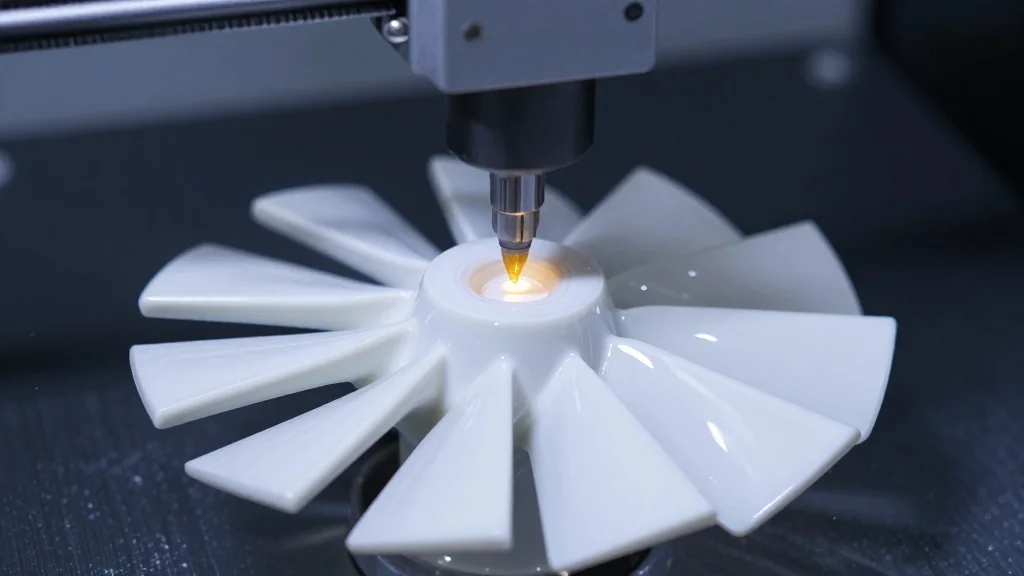
- •Uses additive manufacturing and embedded sensors for real‑time health monitoring
- •Aims to cut lifecycle costs of defense platforms
- •Supports high‑speed vehicles, turbine engines, rocket propulsion, transparent armor
Pulse Analysis
Ceramic matrix composites have long been touted as the missing link in high‑performance aerospace structures, offering a rare combination of heat resistance and weight savings. Traditional metal alloys struggle in extreme temperature regimes found in hypersonic flight, turbine engines, and re‑entry vehicles, prompting defence agencies to explore ceramics that can survive without sacrificing strength. By integrating advanced manufacturing techniques such as additive manufacturing and 3‑D printing, developers can now produce complex geometries that were impossible with conventional casting, opening doors to lighter airframes and more efficient propulsion systems.
The U.S. Air Force Research Laboratory’s CAMP programme, now funded with $20 million, pairs AeroVironment’s materials expertise with AFRL’s operational insight. Over the next 39 months, the collaboration will cover the full material lifecycle—from precursor synthesis to performance modelling—while embedding sensors that enable real‑time structural health monitoring. This sensor‑infused approach not only improves durability predictions but also reduces maintenance downtime, directly addressing the Air and Space Forces’ push for higher mission readiness and lower total ownership costs.
Beyond the immediate defence applications, the programme signals a broader shift toward ceramic‑centric design in commercial aerospace and space exploration. As satellite propulsion, high‑speed transport, and next‑generation propulsion systems demand ever‑greater thermal protection, the commercial sector stands to benefit from the same cost‑effective, lightweight solutions being refined for military use. AeroVironment’s progress could thus catalyze a new wave of innovation, positioning the United States at the forefront of ceramic technology and reinforcing its competitive edge in the global aerospace market.
AeroVironment secures US$20 million to accelerate ceramic materials for air and space systems
Comments
Want to join the conversation?
Loading comments...