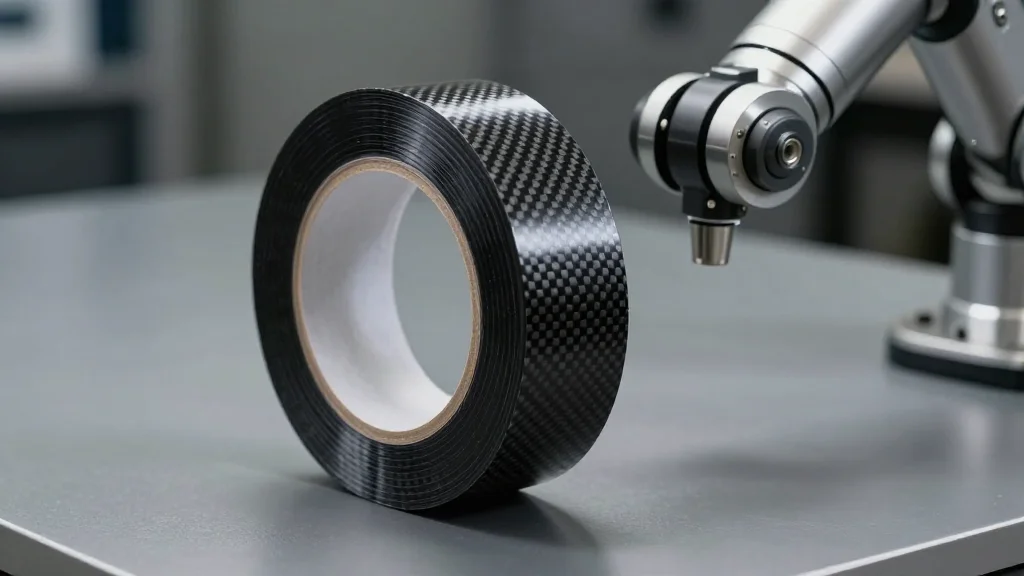
Aligned Recycled Carbon Fibre in Production at Lineat
Why It Matters
Scaling recycled‑carbon tape addresses both performance demands in high‑tech sports and the broader need for circular composites, reducing waste and dependence on virgin fibre. Lineat’s rapid capacity expansion could accelerate adoption across cycling, automotive and other carbon‑intensive sectors.
Key Takeaways
- •Lineat's AFFT tape output rose 50% to 150 sqm/day.
- •AFFT reduces wheel vibration by 19‑23% versus standard carbon.
- •Pilot line yields 2‑3 t/yr; upgrade targets 9‑12 t/yr.
- •Goal: 100 t of recycled carbon realigned annually within five years.
- •Recycled content aim: 50% by 2027, 100% for select bike parts.
Pulse Analysis
Recycled carbon fibre has long been a niche material, hampered by costly reprocessing and performance gaps compared with virgin fibre. Lineat Composites’ Aligned Formable Fibre Technology (AFFT) changes that narrative by converting recovered short fibres into a highly aligned prepreg tape that behaves like unidirectional carbon while offering unique stretch and drape. After five years of development, the company launched a pilot line in Chepstow, Wales, and quickly scaled output from roughly 100 to 150 square metres per day, demonstrating that recycled fibre can meet demanding production schedules without sacrificing quality.
The technical advantages of AFFT are already evident in high‑performance cycling applications. Parcours’ VibraCore wheelset integrates the tape into the spoke bed, cutting vibration energy by 19‑23%—a gain comparable to reducing tyre pressure by 10‑15 psi but without compromising rolling efficiency. The material’s internal architecture, with 82 % of fibres within ±10°, provides a primary load‑bearing direction while a minority of off‑axis fibres dissipate vibrational waves. Beyond wheels, bike frame maker Carbon Wasp reports smoother lay‑up and fewer surface defects, shaving hours off the finishing process. These benefits position AFFT as a compelling alternative for any industry where weight, stiffness and vibration control are critical, including automotive components under study by JLR and the UK’s Advanced Propulsion Centre.
Looking ahead, Lineat’s roadmap targets a ten‑fold increase in production capacity, moving from 2‑3 tonnes to 9‑12 tonnes per year and ultimately reaching 100 tonnes of realigned carbon annually within five years. The company plans to replicate its alignment machines across Europe, the United States and Asia, creating a global supply chain for circular carbon composites. With a goal of 50 % recycled content by 2027—and full‑recycled bike parts on the horizon—Lineat is positioning itself at the forefront of a material transition that could dramatically lower the carbon footprint of composite‑heavy sectors while delivering performance gains.
Aligned recycled carbon fibre in production at Lineat
Comments
Want to join the conversation?
Loading comments...