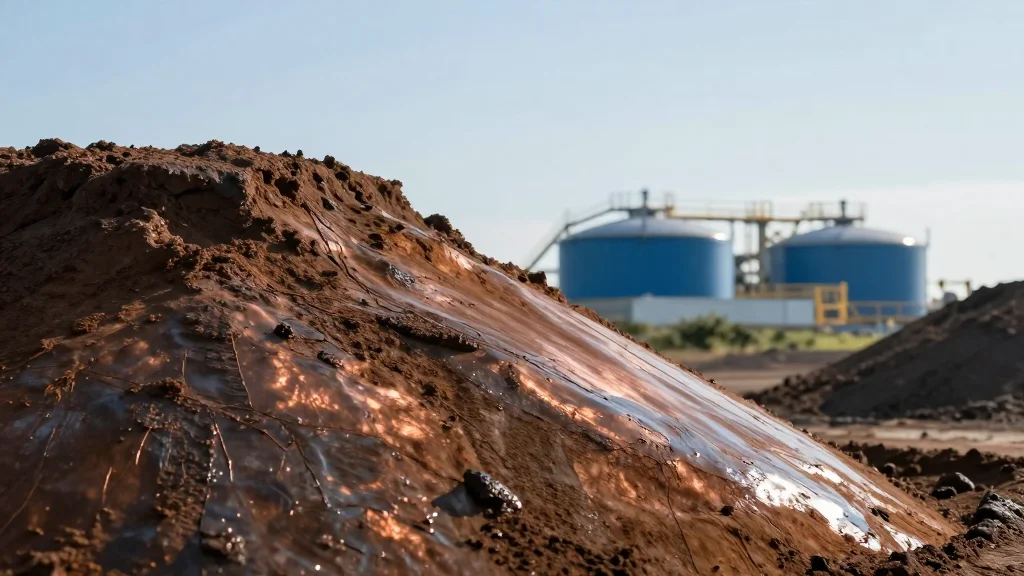
Anglo American Flags Potential Production Hit at Collahuasi After Chile Tribunal Ruling

Companies Mentioned
Why It Matters
Copper is a critical input for modern manufacturing, especially in the transition to electric mobility and renewable energy. A regulatory setback at Collahuasi could tighten global supply, driving up prices and pressuring manufacturers to seek alternative sources or redesign products. The case also illustrates the growing power of environmental tribunals to shape the operational landscape of extractive industries, signaling that future mining projects will need to embed stronger environmental safeguards from the outset. For investors and policymakers, the dispute serves as a barometer of how ESG considerations are being operationalized in resource‑rich economies. A prolonged legal battle could affect Anglo American’s earnings, influence copper market sentiment, and accelerate the push for greener mining practices across the sector.
Key Takeaways
- •Anglo American reports Chile's Second Environmental Tribunal may overturn a 2021 permit for Collahuasi's expansion.
- •The disputed permit includes a near‑completed $1.2 billion desalination plant intended to secure water for ore processing.
- •Collahuasi contributes roughly 1.5 % of global copper supply, making the ruling significant for manufacturers reliant on copper.
- •Anglo American says alternative water sources mitigate immediate production risk, but the outcome remains uncertain.
- •Potential supply constraints could push copper prices above $9,500 per metric ton, raising costs for EV and electronics manufacturers.
Pulse Analysis
The Collahuasi episode is a microcosm of the broader clash between resource extraction and environmental governance that is reshaping the mining sector. Historically, large copper projects have relied on relatively predictable permitting pathways, but Chile’s recent judicial activism signals a shift toward more rigorous scrutiny of water and marine impacts. This trend is likely to increase compliance costs and extend project timelines, especially for capital‑intensive expansions that depend on water‑intensive processes.
From a market perspective, the immediate risk to copper output is modest—Anglo American’s statement that alternative water sources are available suggests that production can continue in the short term. However, the longer‑term strategic implication is more profound. If the tribunal ultimately revokes the permit, Collahuasi may need to redesign its water‑use strategy, potentially adopting higher‑efficiency technologies or even scaling back output. Such a scenario would tighten an already tight copper market, where demand from EVs, renewable‑energy infrastructure, and data‑center construction is outpacing supply.
Manufacturers should therefore reassess their copper sourcing risk profiles. Companies with diversified supply chains or those investing in recycled copper may gain a competitive edge as primary‑source volatility rises. Meanwhile, Anglo American will likely accelerate its ESG reporting and stakeholder engagement to pre‑empt further regulatory challenges. The outcome of this case could set a precedent for how future mining expansions are evaluated, nudging the industry toward more sustainable water management practices and, ultimately, influencing the cost structure of copper‑dependent manufacturing worldwide.
Anglo American Flags Potential Production Hit at Collahuasi After Chile Tribunal Ruling
Comments
Want to join the conversation?
Loading comments...