Why It Matters
The milestone proves that large‑scale tech manufacturers can dramatically increase recycled material use without hurting revenue, accelerating industry‑wide sustainability targets and reinforcing Apple’s 2030 carbon‑neutral ambition.
Key Takeaways
- •30% of Apple device components were recycled in 2025, up 6% YoY
- •MacBook Neo uses 90% recycled aluminum and 100% recycled cobalt
- •Apple eliminated plastic packaging, cutting 15,000 metric tons of plastic
- •Recycling robots Daisy, Dave, and Cora boost material recovery rates
- •Apple avoided 6 million metric tons GHG emissions in 2025
Pulse Analysis
Apple’s 2025 recycled‑materials milestone signals a turning point for the consumer‑electronics sector. By pushing recycled content to over 30% of all device components, the company not only meets growing consumer expectations for greener products but also sets a benchmark that rivals will find hard to ignore. The MacBook Neo, with 90% recycled aluminum and a fully recycled‑cobalt battery, showcases how premium performance can coexist with circular‑economy principles, encouraging suppliers to invest in cleaner sourcing and processing technologies.
The environmental impact is quantifiable: Apple reports that its low‑carbon material shift prevented 6 million metric tons of greenhouse‑gas emissions, roughly 41% of its total manufacturing footprint. Remarkably, this progress occurred alongside a 78% revenue increase over the past decade, disproving the myth that sustainability erodes profit margins. The company’s broader carbon‑neutral goal for 2030 gains credibility as it demonstrates that material circularity can drive both ecological and financial performance, prompting investors to factor ESG metrics more heavily into valuation models.
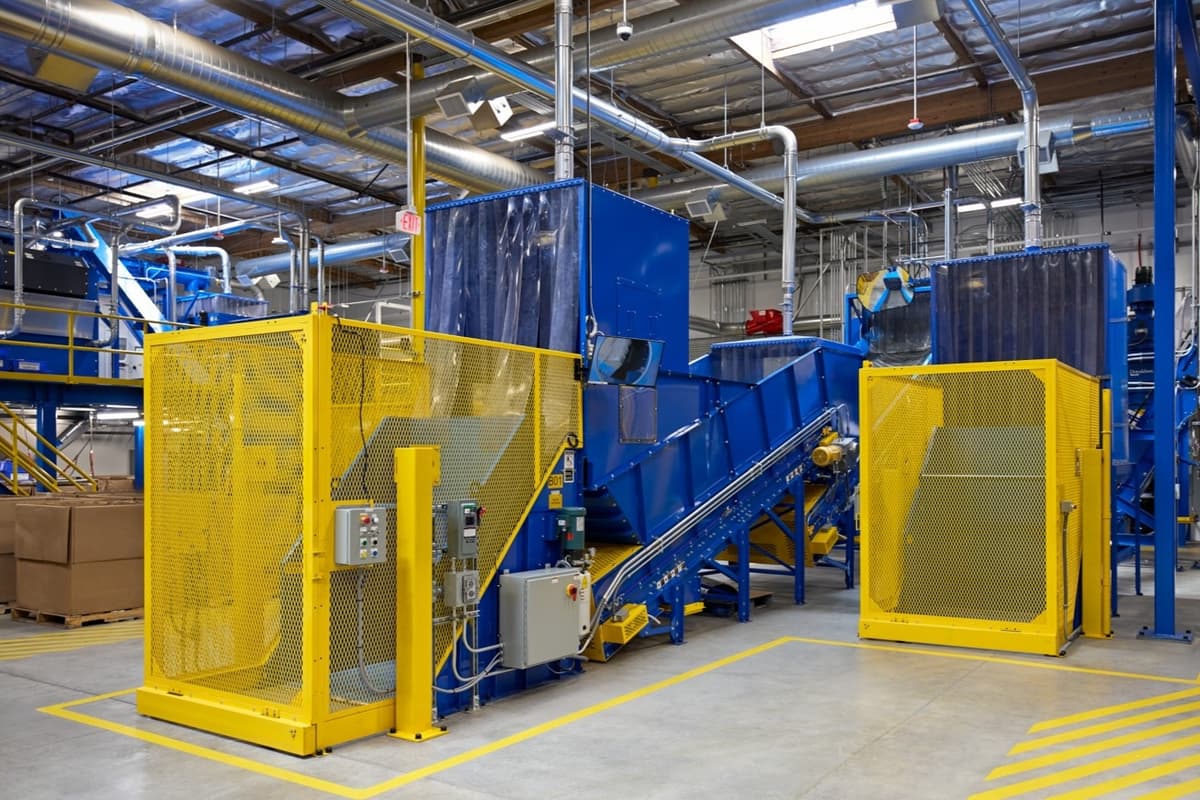
Underpinning these gains is Apple’s advanced robotics suite—Daisy, Dave and the latest Cora—paired with machine‑learning‑driven sorting via the Automated Recycling Identification System (A.R.I.S.). These tools dramatically improve recovery rates for rare‑earths, cobalt and other critical minerals, reducing reliance on virgin mining and lowering supply‑chain risk. As other manufacturers scramble to emulate Apple’s closed‑loop model, the industry may see a wave of automation investments, reshaping e‑waste processing standards and creating new market opportunities for tech‑focused recyclers.
Apple’s recycled materials push bears fruit
Comments
Want to join the conversation?
Loading comments...