As a Plastic Waste Plant Violates Pollution Rules, Its Owner Makes the Case for a Second Location
Why It Matters
The Ohio violations raise red flags about Freepoint’s operational reliability, putting nearby communities at risk and challenging the credibility of a technology touted as a climate solution. Regulators and investors will watch how the company addresses these issues before approving a multi‑billion‑dollar expansion.
Key Takeaways
- •Ohio plant cited for multiple emission violations since 2024 startup
- •Freepoint plans Arizona facility double Ohio capacity, despite Ohio issues
- •Pyrolysis often converts under 30% of waste into new plastic
- •EPA considering exempting pyrolysis from Clean Air Act regulations
- •Local officials demand fenceline monitoring before approving Arizona plant
Pulse Analysis
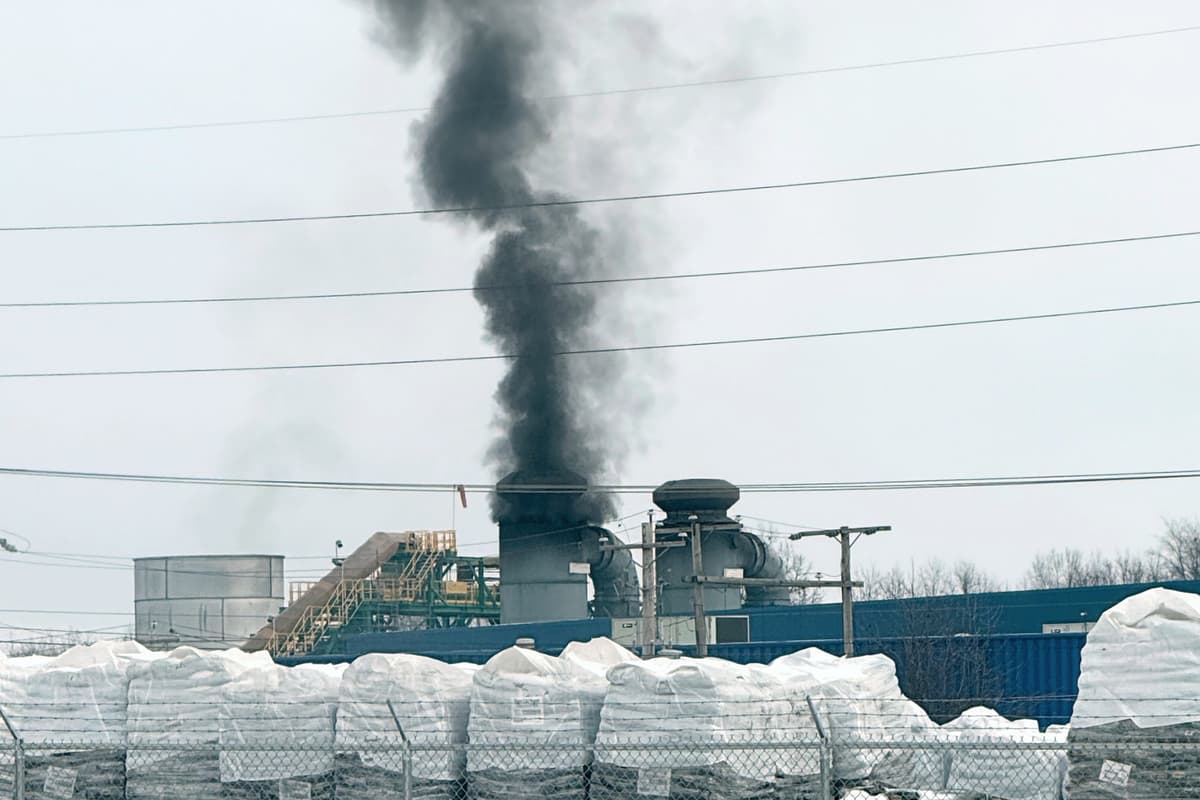
The rise of chemical recycling, especially pyrolysis, has been championed as a high‑tech answer to the global plastic waste crisis. Freepoint Eco‑Systems, a subsidiary of Freepoint Commodities, launched its Ohio facility in 2024 to process up to 175 million pounds of mixed plastics annually. Within months, residents reported black smoke plumes and emergency flares, prompting four Ohio EPA violation notices and an enforcement case. The plant’s operational hiccups expose a broader industry challenge: converting a modest share of feedstock into usable polymer while managing hazardous emissions. As the company pitches a far larger plant in Eloy, Arizona—projected to handle more than 350 million pounds of waste—the debate intensifies over whether the technology can scale responsibly.
Beyond Freepoint, the chemical‑recycling sector is riding a wave of deregulation. State legislatures in Arizona, Ohio and dozens of others have passed advanced‑recycling incentives, and the EPA recently floated an exemption for pyrolysis under the Clean Air Act. Proponents argue that converting plastic waste into pyrolysis oil reduces reliance on crude oil and diverts material from landfills. Critics, however, point to lawsuits such as California’s case against ExxonMobil, which allege conversion rates as low as 8% to new plastic, with the remainder burned as fuel. Industry groups cite internal figures—Freepoint claims 70% of input becomes oil and 25% fuels the kilns—yet independent verification remains scarce, fueling skepticism among environmental NGOs and community watchdogs.
For investors, policymakers and the communities surrounding proposed sites, the stakes are high. Local officials in Eloy are already calling for fenceline air‑quality monitors and a six‑month pause to assess Ohio’s performance. If the Arizona plant proceeds without robust safeguards, it could set a precedent for rapid, under‑scrutinized deployment of advanced‑recycling facilities nationwide. Conversely, a transparent, compliant rollout could unlock a new revenue stream for the plastics sector and help meet ambitious waste‑reduction targets. The outcome will likely shape future regulatory frameworks, affect the valuation of chemical‑recycling startups, and determine whether pyrolysis becomes a mainstream circular‑economy tool or remains a controversial niche.
As a Plastic Waste Plant Violates Pollution Rules, Its Owner Makes the Case for a Second Location
Comments
Want to join the conversation?
Loading comments...