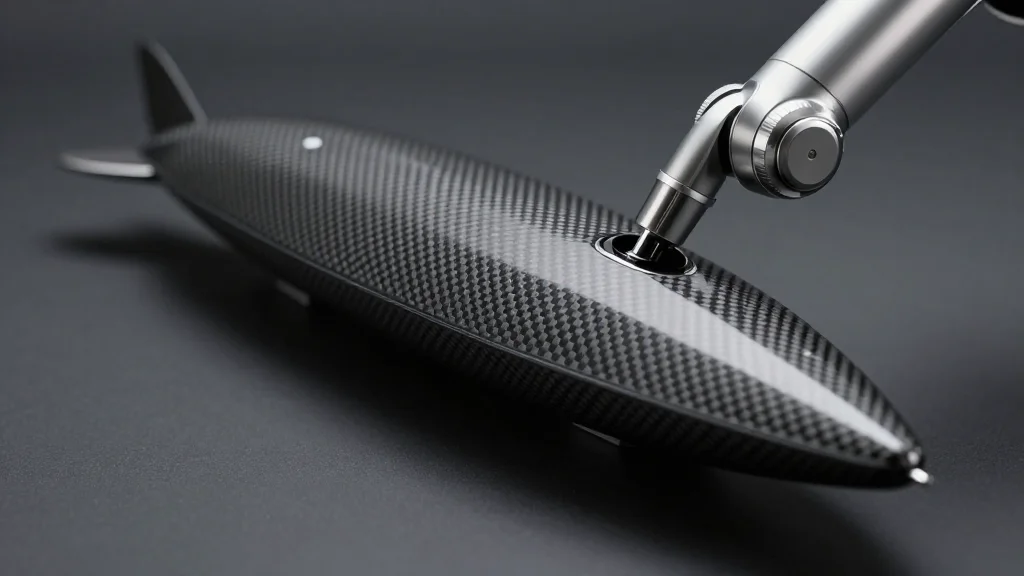
Autonomous Vessel Developer Signs Construction Partnership to Boost Production
Why It Matters
The alliance accelerates domestic production of autonomous vessels, strengthening U.S. maritime security and reducing reliance on foreign suppliers.
Key Takeaways
- •MARTAC partners with Mystic Powerboats to expand USV production.
- •Mystic’s 100,000‑sq ft facility offers advanced carbon‑fiber hull manufacturing.
- •Partnership targets US defense and allied nations’ autonomous vessel demand.
- •First of several planned collaborations to scale MARTAC’s output.
- •Boosts “Made in America” maritime supply chain for national security.
Pulse Analysis
The U.S. defense establishment is rapidly shifting toward unmanned surface vehicles (USVs) as a cost‑effective way to maintain maritime domain awareness and protect critical sea lanes. Budget allocations for autonomous maritime platforms have surged, driven by the need for persistent surveillance, force protection, and rapid response in contested waters. By partnering with a seasoned boat builder, MARTAC positions itself to meet this expanding demand while leveraging the expertise of a company that already serves high‑performance power‑boat markets.
Domestic manufacturing has become a strategic priority, especially for defense‑related technologies. Mystic Powerboats’ 100,000‑square‑foot plant combines three decades of carbon‑fiber and composite know‑how with a skilled Florida workforce, offering a resilient supply chain that sidesteps overseas dependencies. Advanced composites provide the lightweight strength essential for high‑speed, low‑signature USVs, and the partnership underscores the broader "Made in America" narrative that policymakers are championing to safeguard critical infrastructure.
Looking ahead, the collaboration could catalyze a wave of similar agreements across the maritime sector, as other autonomous‑vehicle developers seek to scale production quickly. With the ability to deliver proven hulls at volume, MARTAC may capture a larger share of both U.S. and allied procurement programs, potentially opening export opportunities in Europe and the Indo‑Pacific. The partnership also signals to investors that the autonomous maritime market is moving from prototype to mass production, promising new revenue streams and heightened competition among domestic shipbuilders.
Autonomous vessel developer signs construction partnership to boost production
Comments
Want to join the conversation?
Loading comments...