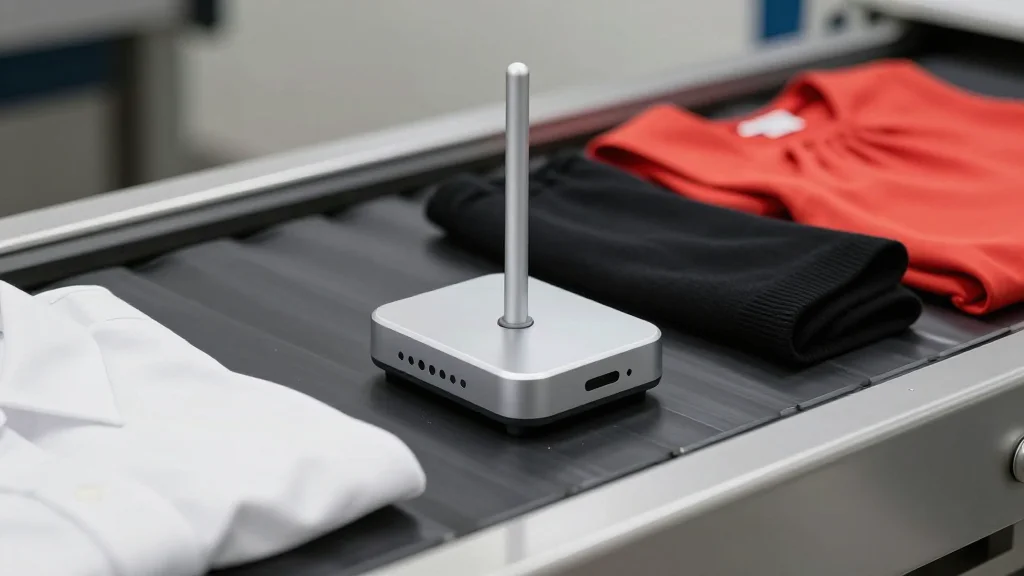
Avery Dennison and TEXAID RFID Pilot Triples Textile Sorting Speed
Companies Mentioned
Why It Matters
The speed and data visibility gains enable collectors to comply with stricter EU waste regulations while giving brands insight into product end‑of‑life, creating a strategic advantage in a tightening market.
Key Takeaways
- •RFID sorting hit 60 garments per minute, three‑fold manual speed.
- •Identification accuracy reached 99.9% across diverse fabrics.
- •Pilot supports EU Waste Framework Directive and upcoming Digital Product Passport.
- •Full automation will require AI cameras and advanced data platforms.
Pulse Analysis
European regulators are tightening the rules around textile waste, with the revised Waste Framework Directive mandating separate collection of garments from 2025. This shift forces recyclers and collectors to process larger volumes more efficiently, while also demanding granular data on material composition. Traditional visual sorting struggles with speed and accuracy, especially for dark or blended fabrics, creating a bottleneck that could hinder compliance and increase operational costs.
The Avery Dennison‑TEXAID pilot demonstrates how embedded RFID tags can break that bottleneck. By tagging 300 representative garments and integrating them with Valvan’s Fibersort system, the trial achieved a throughput of one item per second and an identification accuracy of 99.9%. Beyond speed, the RFID data linked each piece to a centralized product database, offering real‑time traceability that aligns with the forthcoming Digital Product Passport for textiles. This dual benefit of operational efficiency and data transparency positions early adopters to meet regulatory deadlines while providing brands with actionable end‑of‑life insights.
While the results are promising, scaling the solution will require complementary technologies. AI‑powered vision systems can enrich the RFID feed with visual quality checks, and robust data‑management platforms are essential for handling the volume of product‑level information generated. Companies that invest now in this integrated stack will not only avoid compliance penalties but also unlock new revenue streams through circular‑economy services, such as resale, refurbishment, and material recovery. The pilot signals a broader industry move toward digital, data‑driven textile recycling, setting a benchmark for future automation initiatives.
Avery Dennison and TEXAID RFID pilot triples textile sorting speed
Comments
Want to join the conversation?
Loading comments...