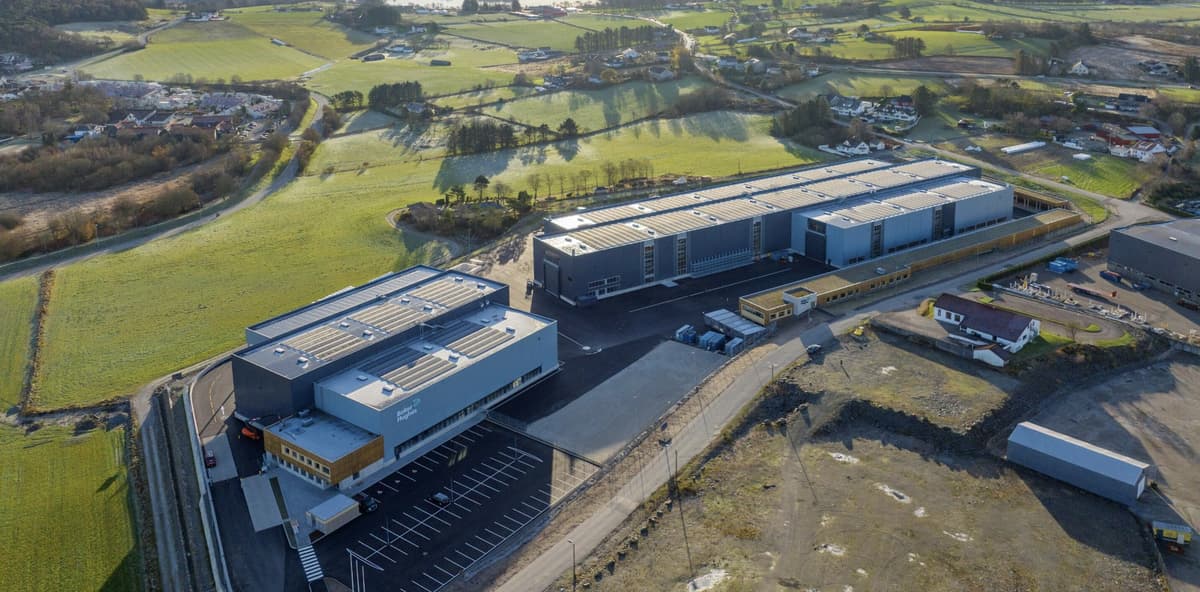
Baker Hughes Opens Renewable Energy-Powered Subsea Manufacturing Hub in Norway
Why It Matters
The renewable‑powered hub strengthens Baker Hughes’ competitive edge in the North Sea oil‑and‑gas market while demonstrating a tangible commitment to greener offshore operations, a key differentiator as the industry pivots toward sustainability.
Key Takeaways
- •49,000 sqm hub includes 12,000 sqm workshop and high‑pressure test bays.
- •Facility can simulate pressures up to 22,500 psi for extreme subsea conditions.
- •Powered entirely by renewable energy, showcasing Norway’s green policy model.
- •Supports manufacturing, repair, upgrade, installation, and de‑commissioning of subsea equipment.
- •Complements Baker Hughes’ UK hubs, expanding its North Sea service network.
Pulse Analysis
Baker Hughes’ new subsea services centre in Norway marks a significant upgrade to the company’s offshore portfolio. Spanning 49,000 square metres, the site houses a dedicated 12,000‑square‑metre workshop and test bays capable of reproducing pressures of 22,500 psi, the kind of extreme conditions found in deep‑water fields. By running the entire complex on renewable electricity—solar panels and Norway’s abundant hydro power—the hub not only reduces its carbon footprint but also signals to clients that sustainability can coexist with high‑performance engineering.
Strategically positioned near Stavanger, the hub deepens Baker Hughes’ foothold in the North Sea, a region that remains a cornerstone of Europe’s energy security. The facility complements existing UK plants in Montrose and Newcastle, creating a trans‑regional network that can deliver subsea production trees, flexible‑pipe systems, and end‑to‑end maintenance services. This integrated approach helps operators streamline logistics, cut lead times, and mitigate risks associated with geopolitical volatility. Moreover, the renewable‑powered model aligns with tightening ESG expectations from investors and regulators, giving Baker Hughes a competitive advantage over rivals still reliant on conventional energy sources.
Norway’s progressive energy policies—tax incentives for green power and robust carbon pricing—provide a fertile environment for such initiatives. The hub’s ability to test and certify equipment under extreme pressure while maintaining a zero‑carbon operational profile could set a new industry benchmark. As offshore operators increasingly prioritize decarbonisation, facilities like Baker Hughes’ Norway centre are likely to attract higher utilization rates and premium pricing, ultimately reshaping the economics of subsea services across the Atlantic basin.
Baker Hughes opens renewable energy-powered subsea manufacturing hub in Norway
Comments
Want to join the conversation?
Loading comments...