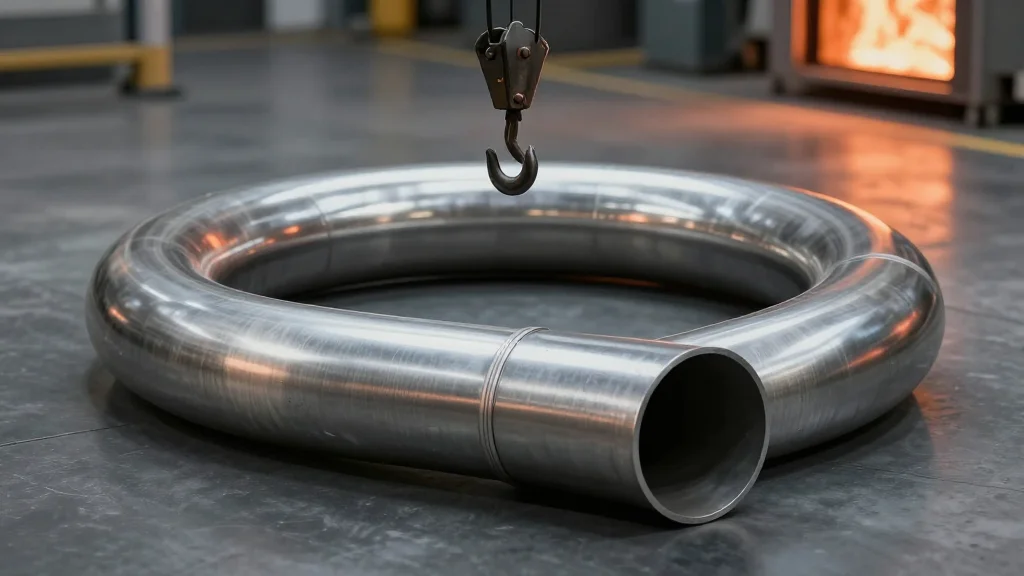
Baolai International Boosts Seamless Pipe Production to Meet Global Demand

Why It Matters
Baolai’s capacity boost directly addresses a tightening global supply of seamless pipe, a critical component for energy, chemical and power projects. By expanding production while adhering to stringent international standards, the company helps mitigate the risk of project delays caused by material shortages. The move also intensifies competition in a market historically dominated by Western manufacturers, potentially driving down costs for end‑users. Furthermore, Baolai’s extensive export network and customization capabilities enable faster, more reliable delivery to emerging markets that are investing heavily in infrastructure. This could accelerate industrial growth in regions that depend on imported pipe, fostering broader economic development and energy security.
Key Takeaways
- •Baolai International expands seamless‑pipe capacity across a 266,668 sqm plant
- •Operates 8 ERW lines and 5 galvanizing lines, delivering 600,000 tons ERW and 400,000 tons galvanized pipe annually
- •Exports ~150,000 tons of pipe to over 150 countries each year
- •Workforce of 1,260 supports advanced processing, threading and quality inspection
- •Commitment to API, ASTM, BS and EN standards positions Baolai as a global supplier
Pulse Analysis
Baolai’s expansion reflects a strategic pivot by Chinese manufacturers toward high‑value, standards‑driven products rather than low‑cost commodity steel. By coupling scale with compliance, Baolai can command premium pricing in sectors where failure is not an option, such as offshore drilling and nuclear power. This dual focus on volume and quality differentiates it from peers that either compete solely on price or lack the certification breadth to serve regulated markets.
Historically, the seamless‑pipe market has been fragmented, with a handful of legacy players in Europe and North America holding the majority of high‑spec contracts. Baolai’s aggressive capacity increase, coupled with its 33‑year track record, signals a shift toward a more multipolar supply chain. If the company successfully integrates AI‑based quality controls, it could achieve defect rates lower than industry averages, further eroding the competitive advantage of established Western firms.
Looking forward, Baolai’s potential collaborations on hydrogen‑compatible pipe could open a new revenue stream as the energy transition accelerates. The company’s ability to deliver customized, standards‑compliant pipe at scale will be a decisive factor for projects seeking to de‑risk supply‑chain constraints. Investors and industry watchers should monitor Baolai’s order book and any announced joint ventures, as these will indicate how quickly the firm can translate its expanded capacity into market share gains.
Baolai International Boosts Seamless Pipe Production to Meet Global Demand
Comments
Want to join the conversation?
Loading comments...