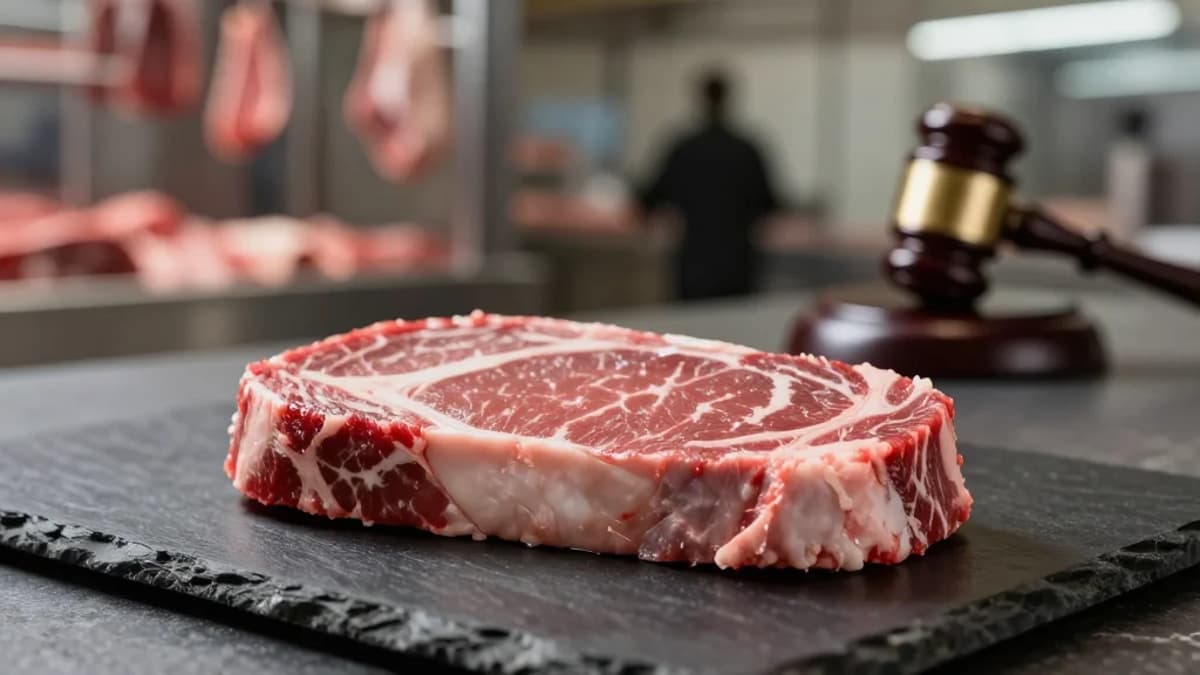
Beef Prices Spur Senate Drive to Split Meat Giants
•March 5, 2026
0
Why It Matters
If enacted, the law could fragment the highly consolidated meatpacking sector, boost competition, and potentially lower consumer meat prices while reshaping foreign investment in U.S. agriculture.
Key Takeaways
- •Bill forces packers to handle only one protein type
- •Aims to curb beef market concentration above 80%
- •Restores FTC oversight removed since 1930s
- •Targets foreign owners JBS, Smithfield for possible divestiture
- •Consumer beef prices rose 15% year‑over‑year
Pulse Analysis
Rising beef prices have become a political flashpoint, driven by a confluence of supply‑side shocks. A historically low cattle herd—down to its lowest level in three‑quarters of a century—combined with high interest rates and drought has squeezed ranchers, pushing wholesale cattle costs upward. Consumers feel the pinch, with the CPI’s beef component up 15% year‑over‑year, while processors see record‑low margins, prompting many to lean on poultry and pork to offset losses. This volatility underscores the fragility of a supply chain dominated by a handful of firms.
Schumer’s proposal seeks to dismantle that dominance by mandating single‑protein operations, effectively preventing any one company from controlling beef, pork, and chicken simultaneously. The bill also reinstates the Federal Trade Commission’s authority over meat‑packing markets—a power stripped in the 1930s—allowing more proactive antitrust reviews. By imposing regional and national concentration caps, the legislation aims to break the four‑packer stranglehold that currently purchases over 80% of U.S. cattle. Additionally, the measure calls for divestiture of U.S. assets held by foreign‑controlled giants like Brazil’s JBS and Hong Kong‑owned Smithfield, signaling a tougher stance on cross‑border ownership.
Industry reaction is sharply divided. Executives argue that the “single‑protein” rule ignores the capital intensity and logistical complexity of meat processing, risking supply disruptions. Yet consumer advocates and some lawmakers view the reforms as a necessary correction to an oligopolistic market that has contributed to price inflation. Politically, the bill’s prospects rise with a potential Democratic Senate majority after the 2026 midterms. Should it pass, the sector could see a wave of divestitures, new entrants, and a recalibrated competitive landscape that may ultimately benefit both producers and shoppers.
Beef Prices Spur Senate Drive to Split Meat Giants
0
Comments
Want to join the conversation?
Loading comments...