Bel Group Accelerates the Shift to Paper Packaging by Taking a Holistic Transition Approach
Companies Mentioned
Why It Matters
The initiative demonstrates how a global CPG can align consumer demand, regulatory pressure, and technical innovation to accelerate sustainable packaging at scale. Success could set a benchmark for industry‑wide paperization and circularity efforts.
Key Takeaways
- •Bel Group aims for paper packaging on all Babybel by 2027
- •5R framework adds Refuse, Restore, and Reuse to traditional 3Rs
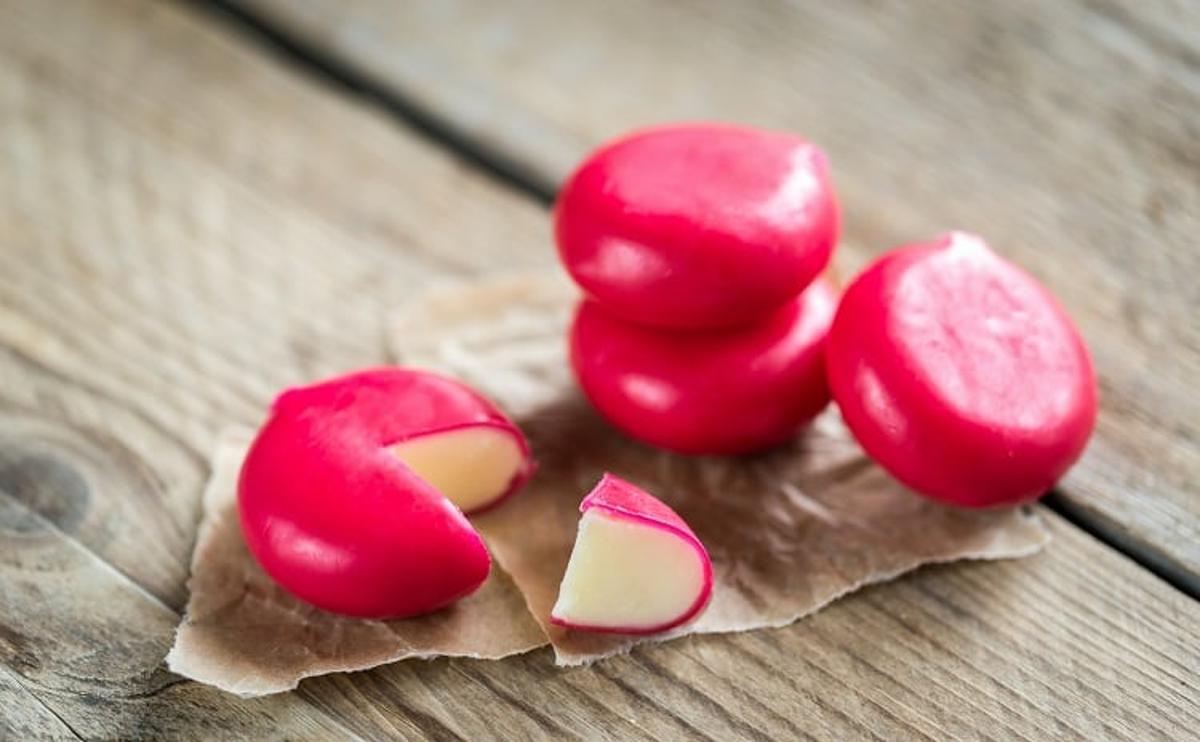
- •Pilot replaces outer wrap, keeps red wax for protection and experience
- •Scaling hinges on consistent industrial validation and local recycling infrastructure
- •Future focus: fiber‑based barriers, bio‑coatings, and system‑level traceability
Pulse Analysis
The food‑and‑beverage sector is confronting mounting consumer backlash against single‑use plastic, prompting brands to explore paper as a more recyclable alternative. In Europe, stricter packaging directives and clearer reporting requirements are nudging companies toward proactive redesigns, while retailers are demanding visible sustainability credentials. Advances in barrier coatings and converting technology now make paper‑based solutions viable for moisture‑sensitive products, expanding the range of applications beyond niche categories. Bel Group’s 2027 commitment for its Babybel line illustrates how a high‑volume, globally distributed brand can embed these trends into a concrete roadmap, leveraging policy momentum and consumer expectations to justify sizable capital investment.
Central to Bel’s strategy is the 5R framework, an evolution of the classic reduce‑reuse‑recycle mantra. By adding Refuse, Restore and Reuse, the company forces teams to question every material’s necessity, source renewable inputs, and consider business‑model shifts such as refill or bulk options. The Babybel pilot replaces the outer plastic wrap with a certified paper sleeve while preserving the red wax seal that ensures shelf‑life and brand identity. This hybrid approach underscores the complexity of “paperization”: it demands system‑wide redesign, real‑world end‑of‑life testing, and clear consumer guidance to avoid contamination of recycling streams.
Looking ahead, the next wave of packaging innovation will likely hinge on ultra‑thin fiber‑based barriers, bio‑derived functional coatings, and integrated data platforms that verify compliance across diverse recycling infrastructures. Bel’s call for harmonised, robust end‑of‑life systems reflects a broader industry consensus that circularity cannot be achieved by isolated product changes alone. As regulators tighten EPR obligations and recycling capacity scales, firms that align design decisions with proven, local collection realities will gain a competitive edge, accelerating the transition from plastic dominance to a more circular, paper‑centric packaging ecosystem.
Bel Group accelerates the shift to paper packaging by taking a holistic transition approach
Comments
Want to join the conversation?
Loading comments...