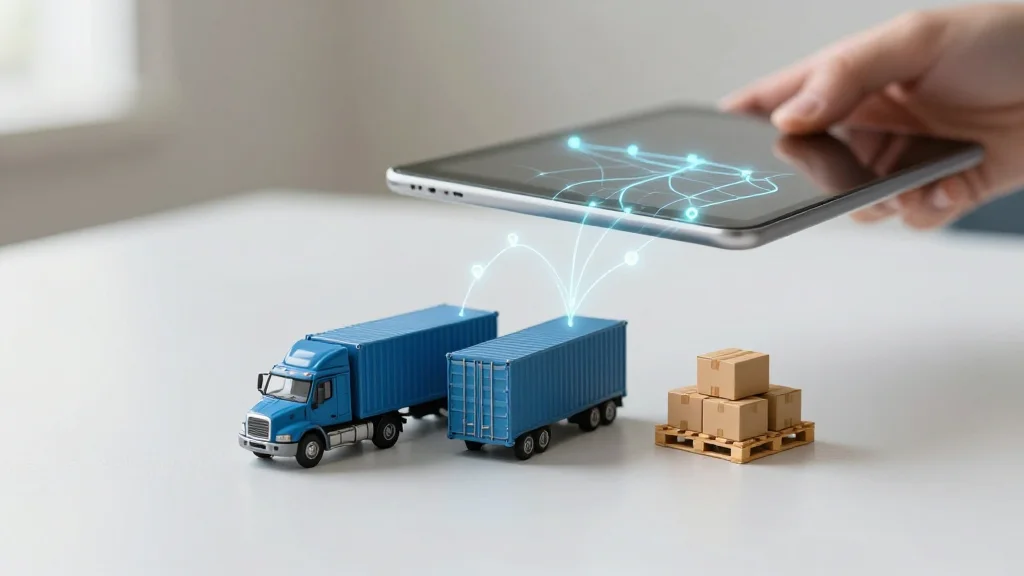
Beyond the Buzz: Supply Chain Technology Gets to Work
Why It Matters
Connected, AI‑driven systems are turning supply‑chain data into actionable outcomes, boosting resilience and cost efficiency across a volatile global market.
Key Takeaways
- •AI shifts from concept to practical supply‑chain applications
- •Connected planning, execution, and warehousing become operational necessities
- •Freight forwarders now offer visibility and decision‑support services
- •Automation and robotics improve execution beyond mere data visibility
- •Industry still bridges gap between digital ambition and day‑to‑day reality
Pulse Analysis
Supply‑chain leaders are finally seeing the payoff of years of technology hype. AI algorithms that once lived in research labs are now embedded in demand‑forecasting engines, route‑optimization platforms, and inventory‑balancing tools. By turning raw data into predictive insights, these systems enable firms to anticipate disruptions—whether from weather, labor strikes, or shifting trade policies—and adjust plans before costly delays occur. This transition from visibility to actionable intelligence is reshaping how companies measure performance, moving key metrics from static on‑time delivery rates to dynamic risk‑adjusted service levels.
The push toward orchestration and automation is equally transformative. Modern execution platforms integrate planning, transportation management, warehouse execution, and last‑mile delivery into a single, real‑time workflow. Robotics and autonomous material‑handling equipment reduce manual touchpoints, while software‑defined orchestration layers coordinate these assets across multiple carriers and partners. The result is a more fluid, end‑to‑end supply chain that can scale quickly in response to market volatility, delivering both speed and cost savings that were previously unattainable.
Freight forwarders, traditionally seen as logistics intermediaries, are now becoming technology partners. In an environment marked by tariffs, geopolitical tension, and shifting trade lanes, forwarders are deploying cloud‑based visibility portals, AI‑driven risk dashboards, and on‑demand analytics to give shippers a clearer picture of cargo status and alternative routing options. This service evolution not only differentiates forwarders in a crowded market but also reinforces the broader industry trend: technology must do more than collect data—it must empower decision‑makers to act with confidence in an increasingly unpredictable world.
Beyond the Buzz: Supply chain technology gets to work
Comments
Want to join the conversation?
Loading comments...