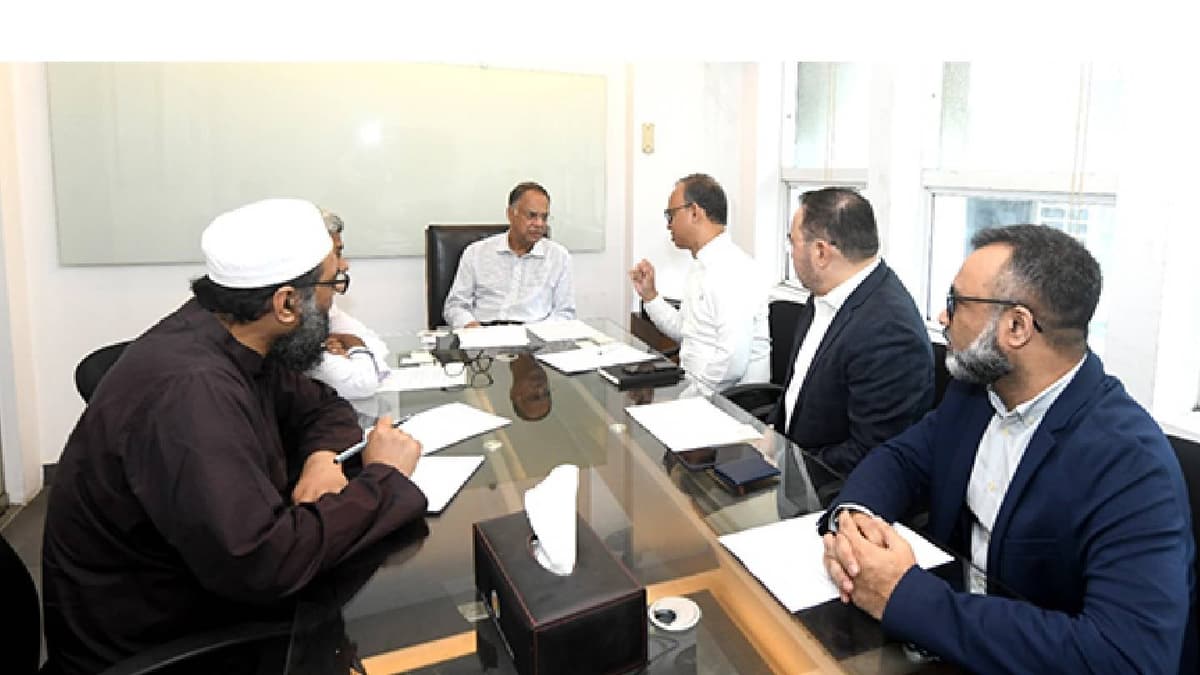
BGMEA Urges Government Action as Energy Crisis Hits Garment Output
Why It Matters
The energy shortfall threatens Bangladesh’s $30 billion garment export engine, risking jobs and foreign‑exchange earnings. Swift policy action could stabilize output and accelerate the industry’s shift toward renewable power.
Key Takeaways
- •Garment output down 25‑30% from gas and electricity shortages
- •Diesel scarcity in Gazipur, Ashulia disrupts generator operation
- •BGMEA urges solar, inverter, BESS taxes cut to 1%
- •Ministers approved fast‑track diesel supply via local filling stations
- •Huawei Digital Power offers knowledge sharing for greener RMG sector
Pulse Analysis
Bangladesh’s ready‑made garment (RMG) sector, responsible for roughly $30 billion in annual exports, is confronting an acute energy bottleneck. Prolonged load‑shedding and constrained natural‑gas deliveries have forced factories in hubs like Gazipur and Ashulia to curtail output by a quarter to a third. The resulting production lag not only inflates unit costs through higher raw‑material and transport prices but also jeopardizes delivery commitments to global retailers, amplifying supply‑chain volatility across the apparel market.
In response, the Bangladesh Garment Manufacturers and Exporters Association (BGMEA) presented a multi‑pronged policy package to the Ministry of Power, Energy and Mineral Resources. Key proposals include securing diesel through dedicated filling‑station arrangements, fast‑tracking gas hookups for SMEs with 300‑500 kg boilers, deploying at least two additional floating storage and regasification units, and slashing import duties on solar panels, inverters, DC cables, and battery‑energy‑storage systems to a nominal 1%. By removing VAT and high tariffs, the government could lower operational costs, encourage renewable adoption, and reduce the sector’s reliance on intermittent grid power.
Huawei’s Digital Power delegation, led by South Asia MD Will Yu, signaled readiness to partner with BGMEA on energy‑efficiency initiatives, offering expertise in smart grid and micro‑grid technologies. Such collaboration could accelerate the deployment of solar‑plus‑storage solutions, improve demand‑response capabilities, and align Bangladesh’s RMG industry with global sustainability standards. If the proposed regulatory relief and private‑sector support materialize, the sector stands to regain lost capacity, safeguard millions of jobs, and reinforce its position as a cornerstone of the country’s export economy.
BGMEA urges government action as energy crisis hits garment output
Comments
Want to join the conversation?
Loading comments...