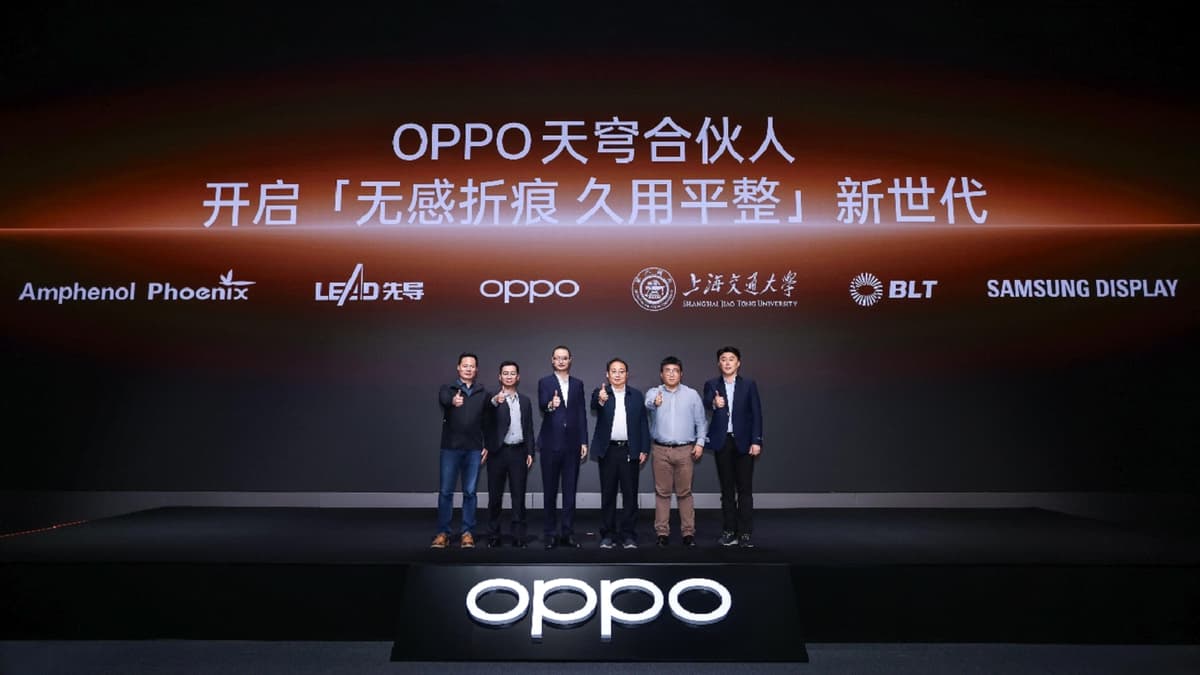
BLT Helps Develop OPPO Find N6 Hinge with Titanium 3D Printing
Why It Matters
The breakthrough demonstrates how metal additive manufacturing can solve core durability challenges in foldable devices, accelerating market adoption and setting a new benchmark for smartphone engineering.
Key Takeaways
- •Titanium 3D‑printed hinge consolidates 13 parts into one
- •Flatness of wing plate improved 50% versus previous model
- •BLT managed end‑to‑end additive‑manufacturing process
- •Find N6 survived 600,000 folding cycles in TÜV test
Pulse Analysis
Additive manufacturing is moving from niche prototypes to high‑volume consumer electronics, and BLT’s work on OPPO’s Find N6 exemplifies that shift. By leveraging titanium powder‑bed printing, BLT created a single wing plate that replaces a complex assembly of thirteen CNC‑machined components. The lattice‑infused design delivers superior strength‑to‑weight ratios, enabling a slimmer hinge that maintains structural integrity while reducing overall device mass. This consolidation not only streamlines assembly but also cuts material waste, aligning with sustainability goals increasingly important to manufacturers.
The technical gains translate directly into user experience improvements. OPPO reports a 50 % increase in surface flatness, which minimizes the visible crease that has plagued earlier foldable phones. The hinge’s durability was validated through 600,000 folding cycles under TÜV Rheinland certification, a benchmark that reassures consumers about long‑term reliability. By integrating the titanium flexion hinge with its next‑generation Tianqiong memory glass, OPPO delivers a smoother, more resilient fold, positioning the Find N6 as a premium option in a competitive market.
Industry‑wide, the Find N6 case underscores a broader trend: leading brands like Apple are also adopting 3D‑printed titanium parts for structural components, citing material savings and design freedom. Collaborative ecosystems such as OPPO’s Tianqiong Partners accelerate innovation by pooling expertise across suppliers and research institutions. As metal additive manufacturing scales, we can expect more complex, lightweight components in smartphones, wearables, and beyond, reshaping supply chains and product roadmaps across the tech sector.
BLT helps develop OPPO Find N6 hinge with titanium 3D printing
Comments
Want to join the conversation?
Loading comments...