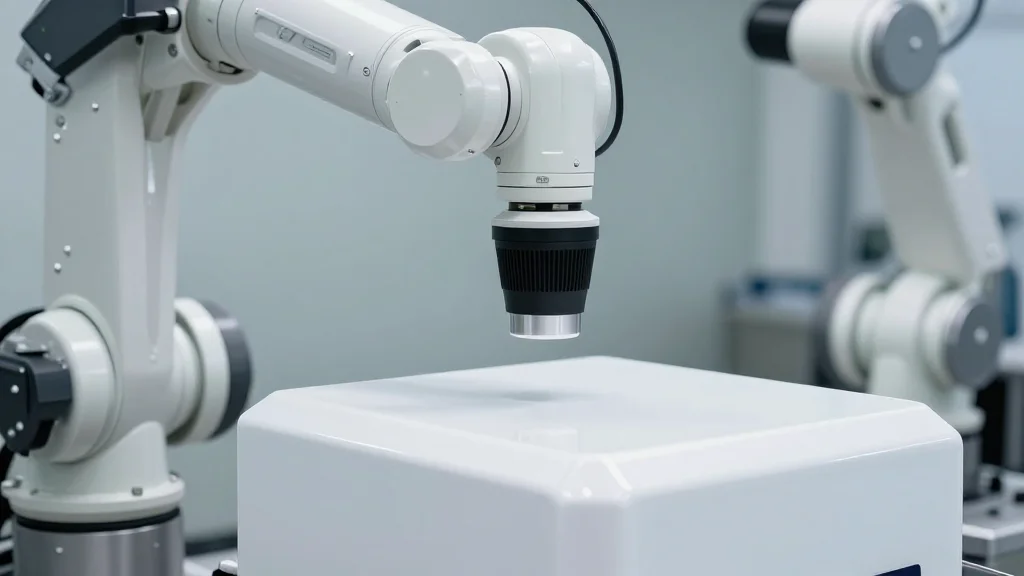
BMW Rolls Out Terahertz Paint‑thickness Inspection at Leipzig Plant

Companies Mentioned
Why It Matters
The Leipzig rollout illustrates how high‑frequency sensor technology can turn a traditionally manual quality‑control step into a fully automated, data‑rich process. By eliminating destructive testing, BMW reduces material waste and improves sustainability metrics, a growing priority for manufacturers under tightening environmental regulations. Moreover, the digital data backbone creates a foundation for AI‑driven quality assurance, enabling earlier defect detection and tighter process control, which can translate into lower rework costs and higher throughput. For the broader manufacturing ecosystem, BMW’s adoption signals that terahertz inspection—once confined to laboratory settings—has reached industrial scale. Competitors and suppliers will likely evaluate similar solutions to stay competitive, accelerating the diffusion of non‑destructive testing across sectors such as aerospace, consumer electronics and heavy machinery.
Key Takeaways
- •BMW’s Leipzig plant now uses das‑Nano’s terahertz “Irys” system for paint‑thickness checks on plastic parts.
- •The system provides micrometre‑level accuracy in seconds, replacing manual scalpel‑and‑microscope inspections.
- •450 staff in the Exterior Plastics team produce bumpers, side sills and spoilers for three BMW plants.
- •Digital measurement data will be fed into AI models for early deviation detection and process optimisation.
- •BMW plans to extend the technology to other plants and supplier networks, setting a new industry benchmark.
Pulse Analysis
BMW’s decision to embed terahertz inspection in a high‑volume production line reflects a strategic push toward hyper‑automation. While optical and ultrasonic sensors have been common in paint shops, terahertz waves penetrate multi‑layer coatings without contact, delivering the precision needed for thin‑film plastics. This technical edge gives BMW a measurable quality advantage, especially as interior and exterior plastics become more complex in design and colour.
From a competitive standpoint, the move could pressure other OEMs to accelerate similar digitisation projects. German rivals such as Volkswagen and Mercedes‑Benz have announced investments in AI‑enabled quality control, but few have disclosed a concrete terahertz rollout. Early adopters may capture cost efficiencies that translate into pricing flexibility or higher margins, particularly as automotive margins tighten.
The broader implication is a shift in how manufacturers view inspection: from a checkpoint to a continuous data source. By integrating terahertz measurements with a digital twin of the paint process, BMW can close the feedback loop between coating application and final quality, reducing scrap rates and enabling predictive maintenance of paint‑shop equipment. If the AI layer matures as planned, the system could evolve from reactive quality assurance to proactive process optimisation, a hallmark of Industry 4.0 maturity.
BMW rolls out terahertz paint‑thickness inspection at Leipzig plant
Comments
Want to join the conversation?
Loading comments...