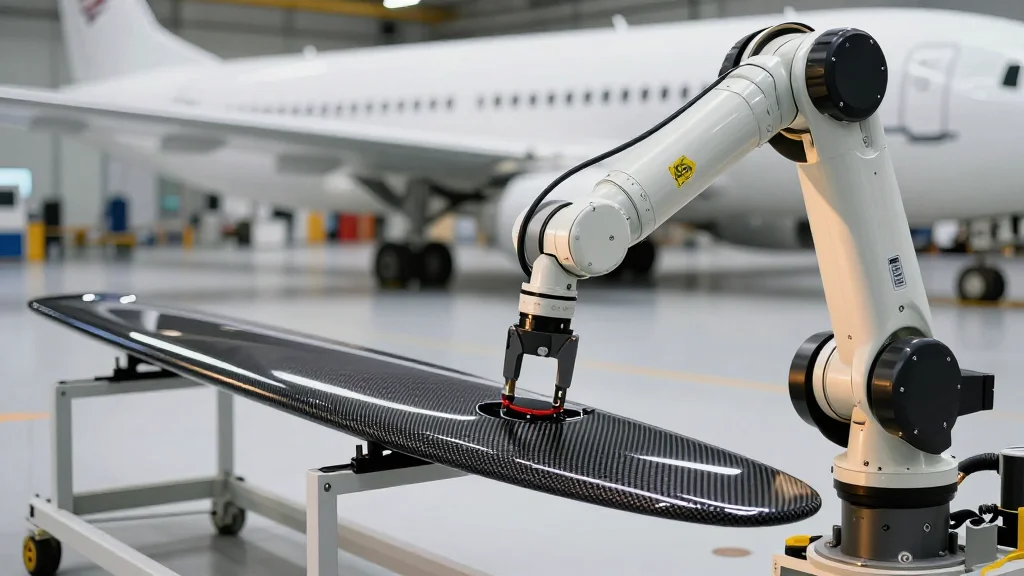
Boeing Invests CA$36 Million in Aerospace Manufacturing R&D in Winnipeg
Why It Matters
The investment deepens Boeing’s supply‑chain footprint in Canada, boosting high‑skill jobs and reinforcing the ITB policy that ties defence spending to local economic growth, while accelerating composite technology that can lower aircraft weight and operating costs globally.
Key Takeaways
- •Boeing invests C$36 M (~US$27 M) in Winnipeg composite R&D.
- •Project runs ten years, focusing on automation and collaborative robotics.
- •ITB programme links P‑8A contracts to C$358 M (~US$265 M) annual economic impact.
- •Partners include NRC, StandardAero, CAE, and GE Aviation Canada.
- •Winnipeg facility supports all Boeing commercial and defence aircraft production.
Pulse Analysis
Boeing’s C$36 million (about US$27 million) infusion into its Winnipeg site marks a strategic push to modernise composite manufacturing, a cornerstone of modern aircraft design. By collaborating with the National Research Council and industry partners such as StandardAero, CAE and GE Aviation Canada, the program aims to create automated lay‑up techniques and collaborative robots that can cut cycle times and improve part consistency. These advances are critical for both Boeing’s commercial jetliners and its defence platforms, where weight savings translate directly into fuel efficiency and extended range.
The investment is tightly linked to Canada’s Industrial and Technological Benefits (ITB) framework, which obliges defence contractors to match the value of awarded contracts with domestic economic activity. The P‑8A Poseidon programme alone generates roughly C$358 million (≈US$265 million) in annual economic output and sustains about 3,000 Canadian jobs. Over the next decade, the Winnipeg R&D effort is expected to amplify these benefits, reinforcing Canada’s role as a key supplier in the global aerospace supply chain and delivering downstream opportunities for local SMEs.
Beyond immediate fiscal impacts, the focus on automation and collaborative robotics positions Canada at the forefront of next‑generation aerospace manufacturing. As airlines and militaries demand lighter, more efficient airframes, the ability to produce high‑quality composite structures at scale becomes a competitive differentiator. Boeing’s long‑term commitment signals confidence in the region’s talent pool and could spur further private and public investment, accelerating the transition toward fully digital, data‑driven production lines across the industry.
Boeing invests CA$36 million in aerospace manufacturing R&D in Winnipeg
Comments
Want to join the conversation?
Loading comments...