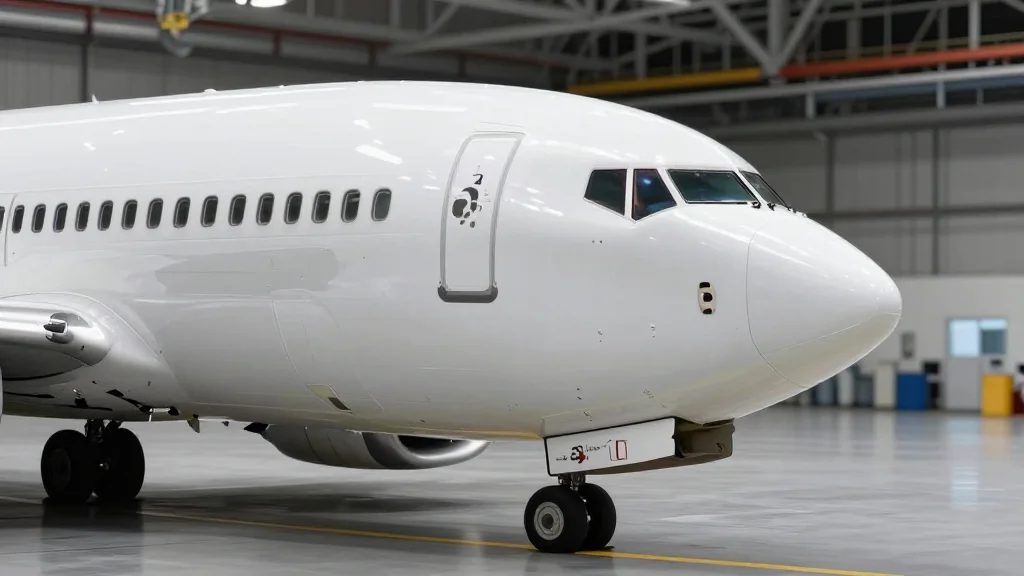
Boeing Plans $1 Billion Investment in Kansas Facilities
Companies Mentioned
Why It Matters
The investment strengthens Boeing’s domestic supply chain and positions it to meet rising demand for 737 jets, while the training hub addresses skill gaps and labor safety concerns. It signals confidence in post‑crisis recovery and the strategic value of the Spirit AeroSystems integration.
Key Takeaways
- •Boeing commits $1 B to upgrade Wichita factories.
- •New 35,000‑sq‑ft training center to open 2026.
- •Production target: 52 737s per month by late 2026.
- •Spirit AeroSystems integration drives Wichita capacity boost.
Pulse Analysis
Boeing’s $1 billion infusion into Wichita marks a decisive step toward consolidating its post‑acquisition strategy after buying Spirit AeroSystems for $8.3 billion. By modernizing aging production lines and adding advanced tooling, the company is positioning the Kansas hub as a critical node in its commercial‑aircraft supply chain. The move dovetails with the broader ramp‑up of 737 output, which the FAA has cleared to increase from 42 to 52 units per month, reflecting robust airline demand and a recovery from the 2024 safety setbacks.
A cornerstone of the investment is the 35,000‑square‑foot Boeing Workforce Training Center, built in partnership with Wichita State University’s Campus of Applied Sciences and Technology. Opening by the end of 2026, the facility will host classrooms, specialized labs, and assessment zones capable of training thousands of technicians annually. This focus on skill development addresses the industry‑wide talent shortage and aims to embed a safety‑first culture after a recent worker fatality sparked union calls for a transparent investigation. By aligning training with real‑world production needs, Boeing hopes to reduce rework, improve quality, and mitigate future labor disputes.
The Wichita upgrade and the new North Line production line in Everett together signal Boeing’s intent to reclaim market share from rivals such as Airbus, which has been expanding its narrow‑body capacity. With the FAA easing production caps and airlines seeking higher‑frequency service, Boeing’s expanded capacity could translate into stronger order books and improved cash flow. However, sustained success will depend on maintaining rigorous safety standards, integrating Spirit’s operations smoothly, and navigating labor relations—factors that will shape the company’s competitive positioning through the late 2020s.
Boeing Plans $1 Billion Investment in Kansas Facilities
Comments
Want to join the conversation?
Loading comments...