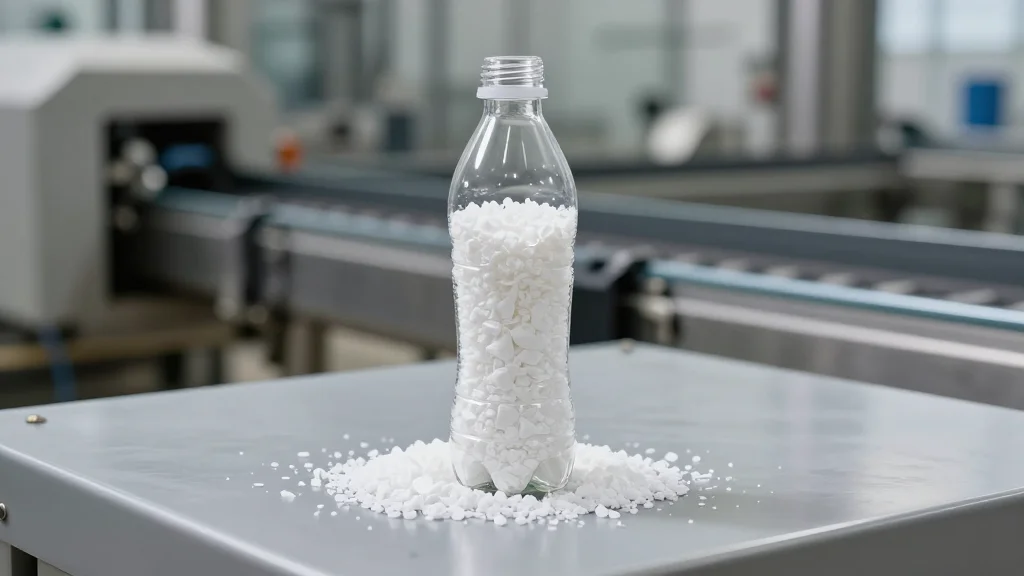
Breaking the ‘Boom-and-Bust Cycle’ in Domestic Recycled Plastic Markets
Why It Matters
Without stable domestic supply and consistent policy, brands risk supply‑chain disruptions and higher costs while missing sustainability targets, undermining both profitability and ESG commitments.
Key Takeaways
- •25% of U.S. PET recycling capacity shut down in past year
- •State PCR mandates vary; California and New Jersey lead with strict targets
- •Flexible packaging remains low‑hanging fruit for recycled content adoption
- •Overreliance on imported PCR threatens supply chain resilience
- •Domestic demand policies can unlock financing for new recycling facilities
Pulse Analysis
The recent collapse of U.S. PET recycling capacity underscores a structural weakness in the domestic plastics loop. With 25% of facilities offline, brands that depend on post‑consumer resin face price volatility and limited sourcing options. This scarcity is amplified by geopolitical shocks that have driven up virgin resin costs, making recycled content both a cost‑saving opportunity and a strategic necessity. Companies that pivot to domestic PCR can hedge against future oil‑price spikes and reduce exposure to import‑related supply disruptions.
State‑level policies are emerging as the primary lever to stabilize demand for recycled plastics. California and New Jersey have enacted strict post‑consumer recycled (PCR) mandates, setting clear percentage targets for specific packaging categories. Other states, such as Colorado and Washington, blend these requirements into broader extended producer responsibility (EPR) frameworks, offering flexibility but often lacking enforceable quotas. The consensus among industry experts is that EPR alone cannot sustain the market; complementary legislation that guarantees a baseline demand is essential for securing financing and building new recycling infrastructure.
Beyond traditional packaging, a significant share of plastic waste ends up in non‑packaging products like trash bags, pallets, and mulch films—areas where recycled content can be introduced with fewer technical hurdles. Targeting these low‑hanging fruit allows brands to meet modest PCR goals while the industry works toward more complex applications such as food‑grade flexible pouches. By adopting a portfolio‑wide view and prioritizing domestic sources, companies not only improve supply chain resilience but also reinforce the economic case for expanding U.S. recycling capacity, aligning cost efficiency with sustainability objectives.
Breaking the ‘boom-and-bust cycle’ in domestic recycled plastic markets
Comments
Want to join the conversation?
Loading comments...