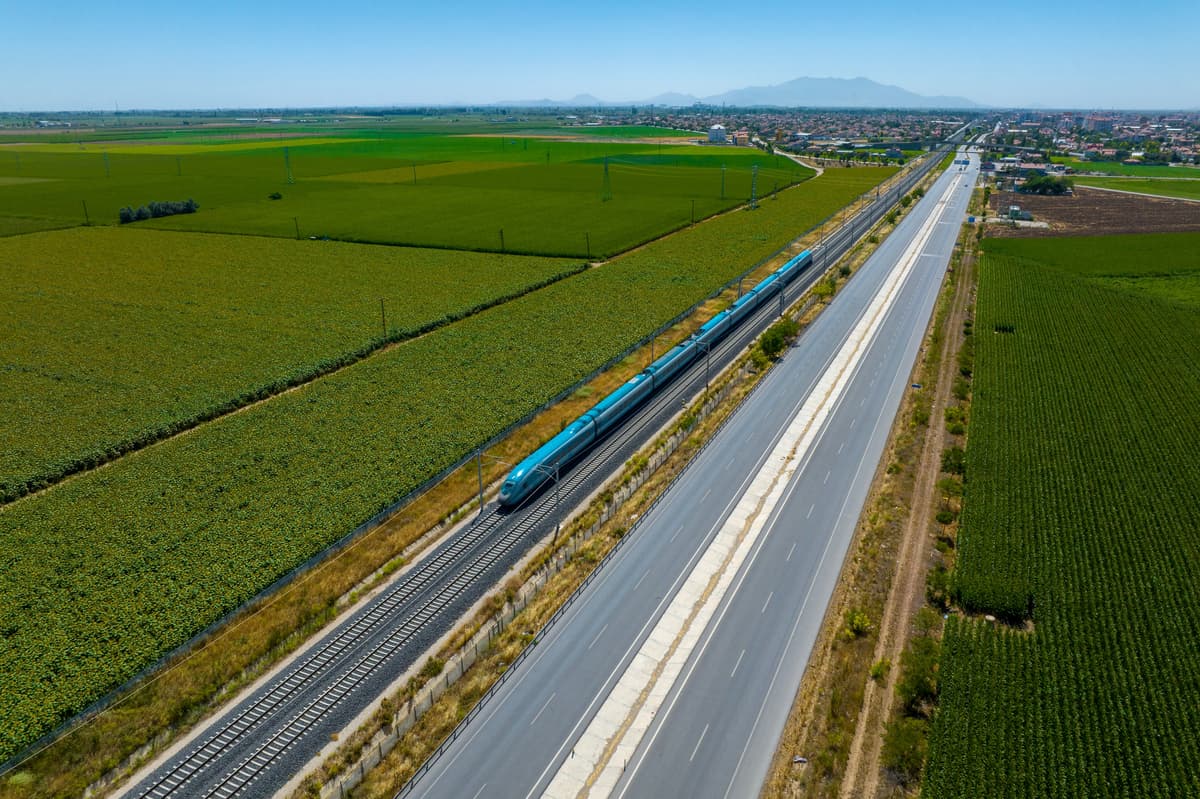
British Steel Launches Round the Clock Production for Türkiye High Speed Rail Deal
•February 18, 2026
0
Why It Matters
It revitalizes UK steel manufacturing capacity and strengthens trade ties with Turkey. It also supports greener high‑speed rail infrastructure.
Key Takeaways
- •British Steel wins eight‑figure Turkish high‑speed rail contract
- •36,000 t 60E2 rail delivered in 36 m lengths
- •24/7 production at Scunthorpe resumes after decade‑long pause
- •Project cuts Ankara‑İzmir travel time by over 10 hours
- •UK Export Finance backs deal, boosting British steel exports
Pulse Analysis
The UK steel sector has struggled with overcapacity and declining export volumes for years, prompting government initiatives like the Steel Strategy to rekindle overseas demand. Securing a high‑profile, eight‑figure contract with Turkey not only injects immediate revenue but also signals confidence in British‑made rail products, encouraging other infrastructure projects to consider UK suppliers. This win aligns with broader efforts to diversify markets beyond traditional EU customers, leveraging export finance tools to mitigate payment risk and accelerate deal closure.
Technical specifications of the 60E2 rail are critical to high‑speed operations, offering superior tensile strength, fatigue resistance, and weldability. Delivered in 36‑metre sections, the steel meets stringent European standards for speed and safety, while its high recyclability contributes to the project’s low‑carbon goals. By replacing older track with this modern alloy, the Ankara‑İzmir line is expected to slash transport‑related emissions, supporting Turkey’s commitment to greener mobility and enhancing freight efficiency across the region.
Beyond the immediate economic boost, the contract has strategic implications for UK‑Turkey trade relations. The 24/7 production shift at Scunthorpe reactivates dormant capacity, creates 23 skilled positions, and showcases the flexibility of British manufacturing to meet tight project timelines. As the high‑speed corridor becomes operational, it will foster increased passenger and cargo flows, potentially opening avenues for further British engineering services, from signaling to maintenance, cementing a long‑term partnership between the two nations.
British steel launches round the clock production for Türkiye high speed rail deal
0
Comments
Want to join the conversation?
Loading comments...