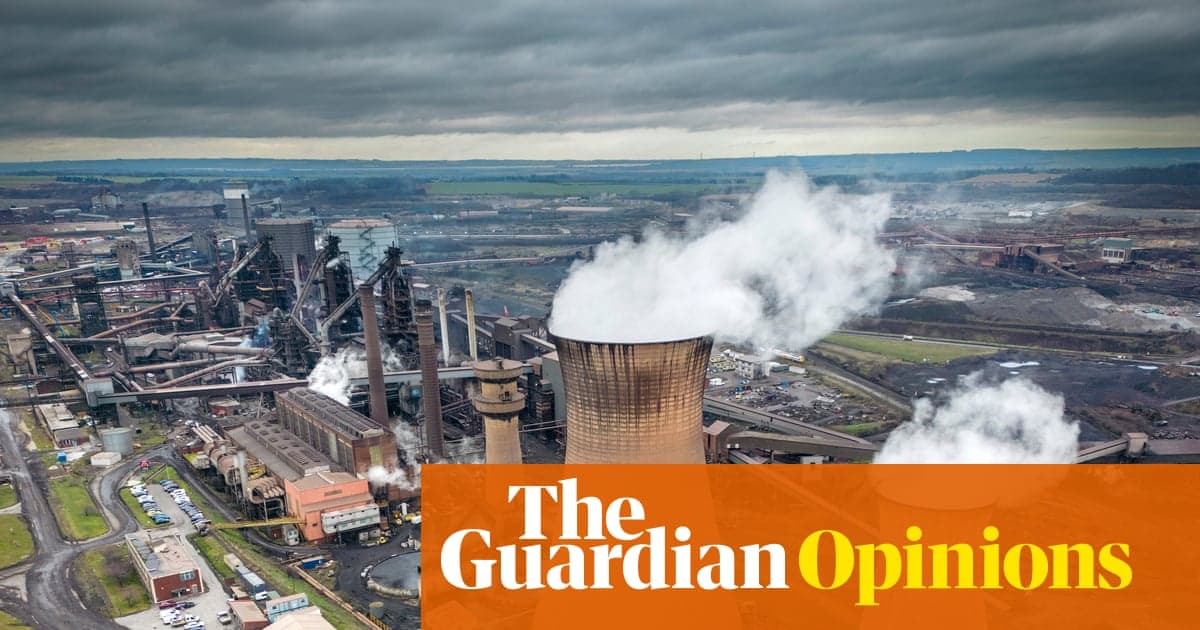
British Steel: More Questions than Answers on the Future | Nils Pratley
Companies Mentioned
Why It Matters
Nationalising British Steel puts billions of taxpayer dollars at stake while shaping the future of UK manufacturing and carbon‑reduction goals. The outcome will influence job security, industrial policy, and the competitiveness of the domestic steel market.
Key Takeaways
- •Government faces £615 m ($780 m) operating loss at Scunthorpe
- •Full nationalisation could enable sale to investors like Seven Global
- •Transition to electric arc furnace may need £500 m ($635 m) subsidy
- •UK steel tariffs aim to lift domestic demand to 40‑50%
Pulse Analysis
The decision to place British Steel under state control reflects a rare intervention in a declining heavy‑industry sector. By assuming a £615 million operating deficit, the government has signalled a willingness to shoulder short‑term losses to preserve a strategic asset and protect 4,000 jobs. However, the National Audit Office warns that without decisive action, the fiscal burden could swell to more than $1.9 billion by 2028, putting pressure on the Treasury and the ruling party’s credibility.
A central pillar of the revival strategy is the shift from traditional blast furnaces to an electric arc furnace (EAF), a technology that can slash carbon emissions and align with the UK’s net‑zero targets. The EAF conversion is expected to take roughly three years and will likely require a dedicated subsidy of about $635 million, mirroring the £500 million support granted to Port Talbot’s transition. Investors eyeing a post‑nationalisation sale, such as Seven Global Investments, will weigh these costs against the potential for a modernised, lower‑cost production line that could improve margins and attract export markets.
Beyond the plant itself, the broader steel policy landscape is evolving. Recent tariffs protect domestic producers from cheap imports, aiming to raise UK‑made steel’s share of demand from 30% to 40‑50%. Yet high electricity prices, even with schemes like the "supercharger," erode the competitiveness gained from tariffs. The government’s next steps—whether to provide further energy subsidies, lock in the EAF funding, or negotiate a clean exit for current owner Jingye—will determine if British Steel can become a viable, low‑carbon pillar of the UK economy or a lingering fiscal drain.
British Steel: more questions than answers on the future | Nils Pratley
Comments
Want to join the conversation?
Loading comments...