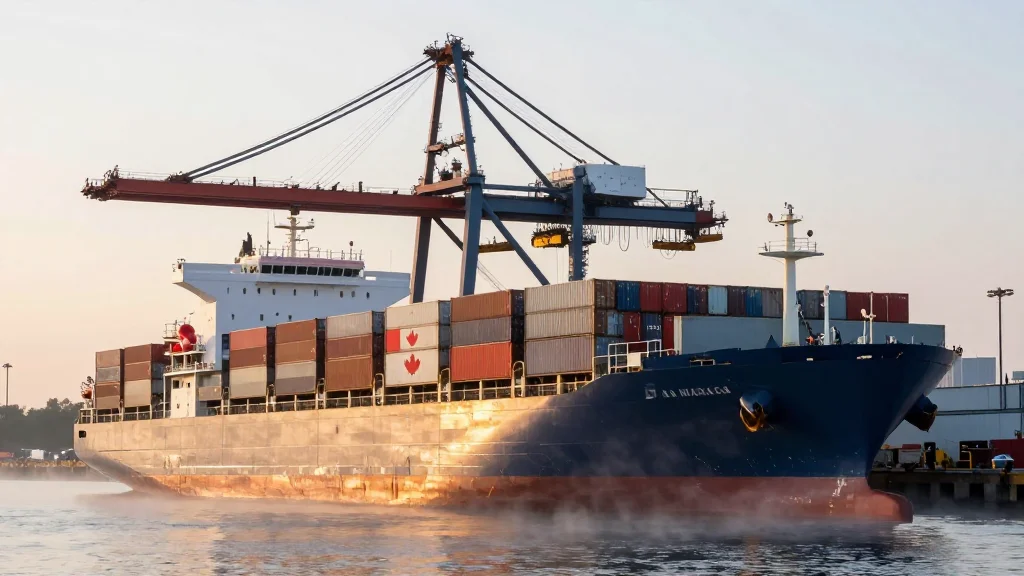
Canada Readies Ambitious Legislation to Reform Supply Chain
Why It Matters
Reducing port labor stoppages will protect trade flows and help Canada meet its ambitious export‑growth targets, benefiting both domestic businesses and international partners.
Key Takeaways
- •Legislation introduces a neutral mediator for port contract talks
- •Right to strike remains protected for organized workers
- •Consultations lasted only weeks, showing rapid policy rollout
- •Bill expected by mid‑June ahead of export‑growth plan
- •Goal: double Canada’s non‑US exports within ten years
Pulse Analysis
Canada’s ports have become a bottleneck for trade, as recent strikes and work stoppages forced shippers to reroute cargo and absorb costly delays. With the Pacific and Atlantic gateways handling a growing share of the nation’s imports and exports, policymakers view supply‑chain stability as a national security priority. The new legislation is a direct response to these disruptions, aiming to keep freight moving while preserving workers’ collective‑bargaining rights.
The core of the proposal is a government‑appointed mediator who can step in when negotiations stall, offering a neutral forum to resolve disputes without imposing a blanket ban on striking. By limiting the scope to mediation rather than outright strike prohibition, the bill seeks a balanced approach that respects labor rights while safeguarding economic activity. Federal consultations wrapped up in just weeks, reflecting the Liberal government’s fast‑track agenda, and the draft is expected in Parliament by mid‑June, aligning with Prime Minister Mark Carney’s plan to double non‑U.S. exports within a decade.
For businesses, the legislation promises more predictable shipping schedules and reduced contingency costs, which could translate into lower consumer prices and stronger competitiveness for Canadian exporters. Investors are likely to view the move as a risk‑mitigation signal, potentially boosting confidence in logistics and transportation stocks. Moreover, the framework could serve as a template for other jurisdictions grappling with similar labor‑induced supply‑chain fragilities, reinforcing Canada’s role as a proactive player in North American trade dynamics.
Canada readies ambitious legislation to reform supply chain
Comments
Want to join the conversation?
Loading comments...