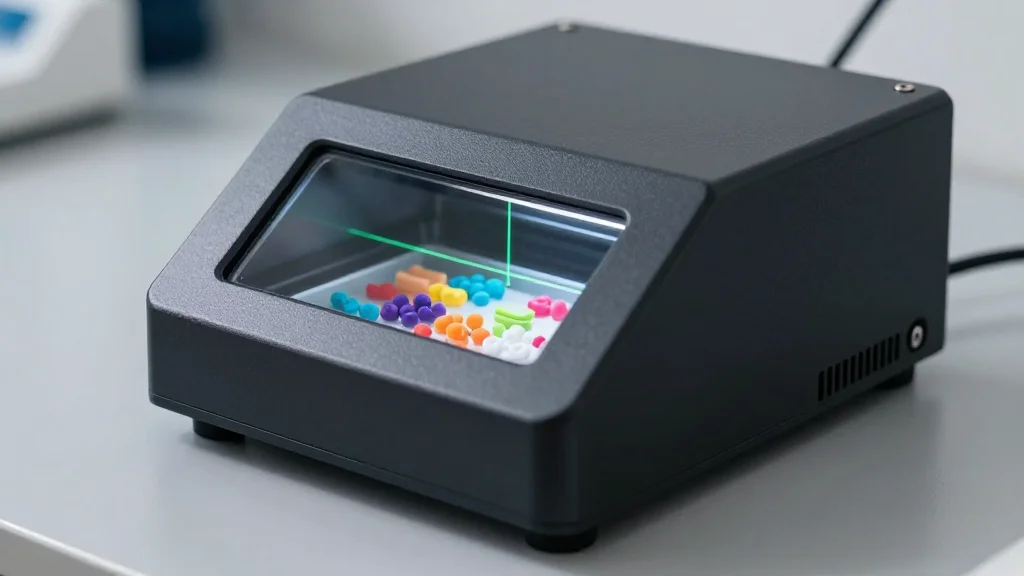
Canon Offers Desktop Plastic Identification Device
Companies Mentioned
Why It Matters
Accurate identification of black plastics removes a major bottleneck in recycling, enabling higher recovery rates and reducing landfill waste. The compact, lab‑friendly design makes advanced sorting technology accessible to more manufacturers and recyclers.
Key Takeaways
- •Canon launches TR‑A100 Raman desktop plastic analyzer in North America
- •Device identifies black plastics, overcoming NIR spectroscopy limitations
- •Non‑destructive Raman scanning enables rapid, batch‑sample analysis
- •Helps recycling plants improve material purity and reduce waste
- •Compact bench‑top design targets labs, quality‑control teams
Pulse Analysis
Plastic recycling faces a persistent hurdle: black polymers absorb near‑infrared light, rendering conventional NIR sorting systems ineffective. As a result, black components from electronics, automotive parts, and food‑tray streams often end up in landfill despite their recyclable value. Industry analysts estimate that black plastics account for up to 15% of unrecovered material in mixed‑plastic streams, highlighting a clear need for more versatile identification methods.
Canon’s TR‑A100 leverages Raman spectroscopy, a laser‑based technique that reads molecular vibrations to pinpoint material composition without damaging the sample. By oscillating the laser across a tray, the device reduces energy density, preventing heat‑induced distortion while scanning multiple items simultaneously. This non‑destructive approach delivers results in seconds, allowing research labs and quality‑control teams to perform batch‑sampling and generate precise purity metrics. The desktop footprint means the technology can be deployed in existing facilities without major capital outlay.
The introduction of a compact Raman analyzer signals a shift toward higher‑resolution sorting in the circular economy. Recycling plants that adopt the TR‑A100 can improve feedstock purity, lower processing costs, and meet stricter regulatory standards for recycled content. For manufacturers, the ability to certify reclaimed black plastics opens new avenues for sustainable product design. Canon’s move into the recycling market underscores its broader sustainability strategy and may spur competitors to invest in similar spectroscopic solutions, accelerating industry‑wide adoption of advanced material recovery techniques.
Canon offers desktop plastic identification device
Comments
Want to join the conversation?
Loading comments...