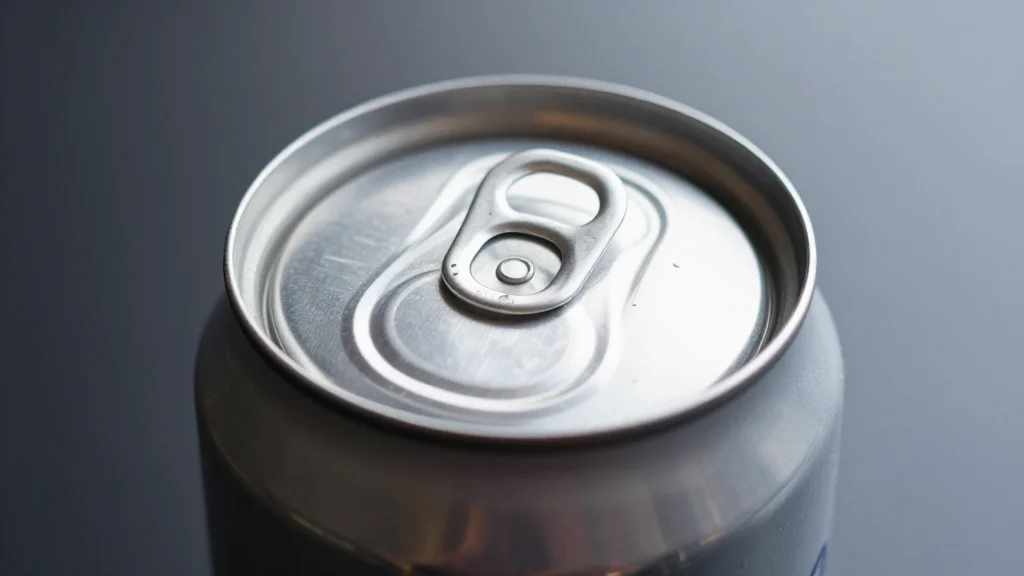
Canpack Aims to Mainstream Resealable Can Ends
Why It Matters
Resealable cans could reduce plastic waste while keeping the convenience of aluminum, opening new product possibilities for brands and strengthening sustainability credentials across the beverage sector.
Key Takeaways
- •Canpack partners with Canovation to commercialize resealable can ends
- •CanReseal technology supports ring‑end, airtight, and peel‑off designs
- •Existing can‑making lines can adopt the resealable solution
- •Initiative aims to replace single‑use plastic caps with recyclable aluminum
Pulse Analysis
Aluminum beverage cans dominate the single‑serve market because they are lightweight, cheap and infinitely recyclable, yet once opened they cannot be resealed. This limitation forces consumers to finish drinks quickly or resort to plastic lids, undermining the environmental advantage of aluminum. Industry analysts have warned that the lack of a convenient, reusable closure could stall further sustainability gains, especially as retailers and regulators push for reduced plastic waste. A resealable aluminum solution would therefore close a critical gap, preserving the material’s high recovery rate while adding functional value for on‑the‑go drinkers.
The alliance between Canpack, the world’s largest can producer, and Florida‑based Canovation marks the first serious attempt to scale a resealable closure at commercial volume. Canovation’s patented CanReseal system offers three configurations—ring‑end, airtight and peel‑off—that can be integrated into current can‑forming lines with minimal retooling, thanks to support from equipment maker Stolle Machinery. By moving from laboratory validation to a pilot‑line implementation, the partners aim to demonstrate cost parity with traditional ends and prove that the technology does not compromise aluminum’s recyclability. Competitors such as Re:Lid USA are also pursuing U.S. production, suggesting a nascent market is forming.
If pilot runs prove successful, resealable cans could unlock new product categories, from premium mixers that benefit from freshness preservation to health‑focused beverages that require extended shelf life after opening. Brands would gain a marketing narrative centered on “plastic‑free convenience,” a claim that resonates with environmentally conscious consumers and could satisfy upcoming packaging regulations. However, widespread adoption will depend on economies of scale, consumer acceptance, and the ability of distributors to handle slightly altered can dimensions. Should these hurdles be cleared, the beverage industry may witness a shift comparable to the transition from glass to aluminum, redefining how single‑serve drinks are packaged.
Canpack aims to mainstream resealable can ends
Comments
Want to join the conversation?
Loading comments...