Caracol and Eligio Re Fraschini Validate WAAM for Aerospace Tooling with 50% Weight Reduction
Companies Mentioned
Why It Matters
The validation proves WAAM can replace time‑intensive, waste‑heavy subtractive tooling, delivering lighter, cheaper parts that accelerate aerospace production cycles. This shift promises cost savings and performance benefits across the industry.
Key Takeaways
- •WAAM printed 110 kg stainless steel spar tool in 30 hours.
- •Tool weight halved versus conventional machining.
- •Material waste dramatically reduced through near‑net‑shape deposition.
- •Production lead time cut by up to 50 % in parallel projects.
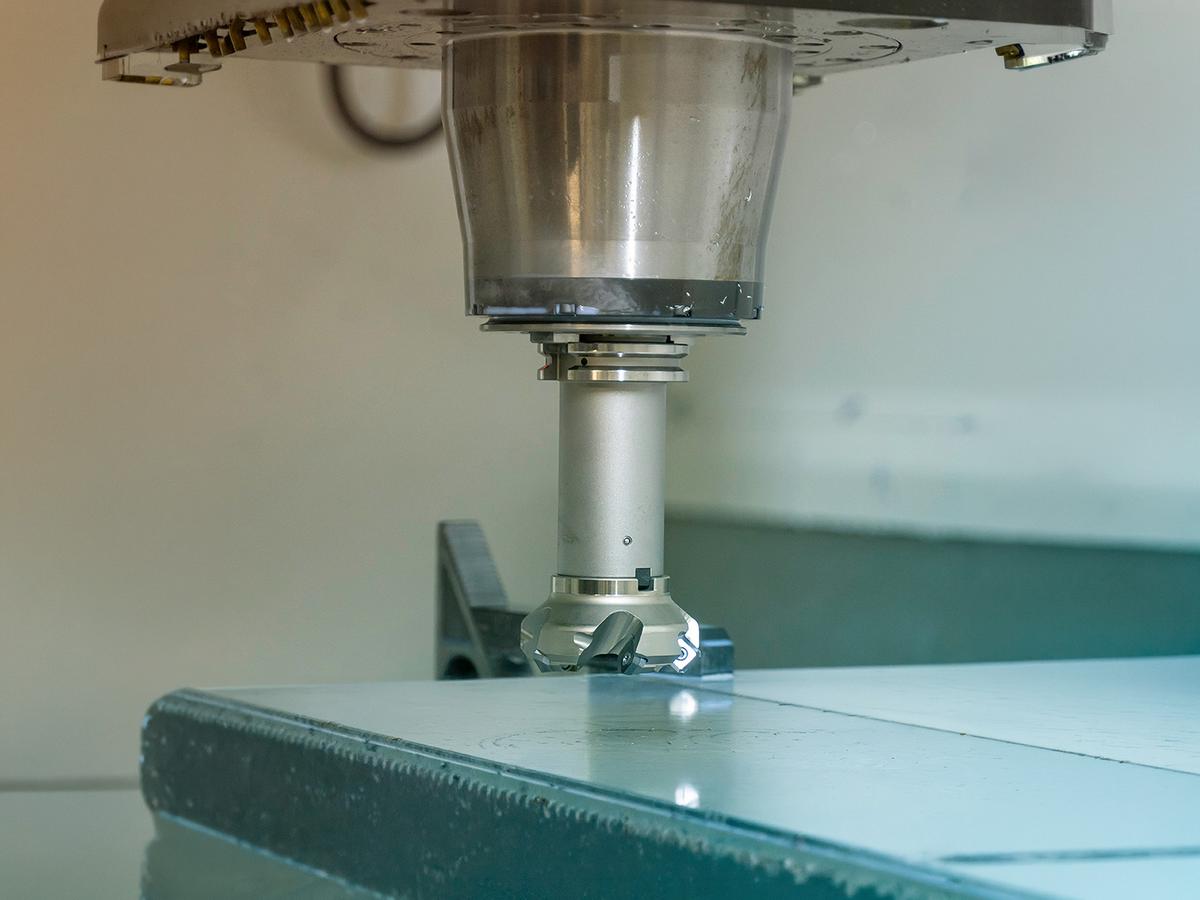
- •CNC finish machining meets aerospace tolerances after WAAM.
Pulse Analysis
Wire‑arc additive manufacturing (WAAM) is emerging as a practical alternative to traditional subtractive processes for high‑performance aerospace tooling. Caracol’s Vipra XP platform deposits 316L stainless steel at 3.7 kg/h, creating near‑net‑shape parts that require only minimal CNC finishing to meet tight tolerances. In the recent pilot with Eligio Re Fraschini, a 1 m‑long spar tool was produced in 30 hours, achieving a 50 % weight reduction and substantially lower material waste, demonstrating that WAAM can deliver both structural integrity and efficiency at production‑ready scales.
The weight savings and lead‑time compression have direct implications for aerospace manufacturers, where tooling weight influences handling, thermal cycling, and autoclave loading. By eliminating dedicated molds and reducing machining steps, WAAM shortens the tooling development cycle, cuts costs, and improves flexibility for design changes. A parallel project using fiber‑reinforced thermoplastics achieved a 50 % lead‑time cut and 30 % cost reduction, reinforcing the technology’s versatility across metal and polymer domains. Industry peers such as WAAM3D report similar gains, with titanium components showing up to 95 % cost savings.
Looking ahead, the successful pilots signal a broader shift toward additive tooling in the aerospace supply chain. As WAAM systems scale to larger formats and integrate tighter process controls, manufacturers can expect faster program ramp‑ups and reduced inventory of legacy tooling. The technology also aligns with sustainability goals by minimizing scrap and energy consumption. For U.S. aerospace firms, adopting WAAM could enhance competitiveness, lower production overhead, and open new design possibilities that were previously constrained by traditional manufacturing limits.
Caracol and Eligio Re Fraschini Validate WAAM for Aerospace Tooling with 50% Weight Reduction
Comments
Want to join the conversation?
Loading comments...