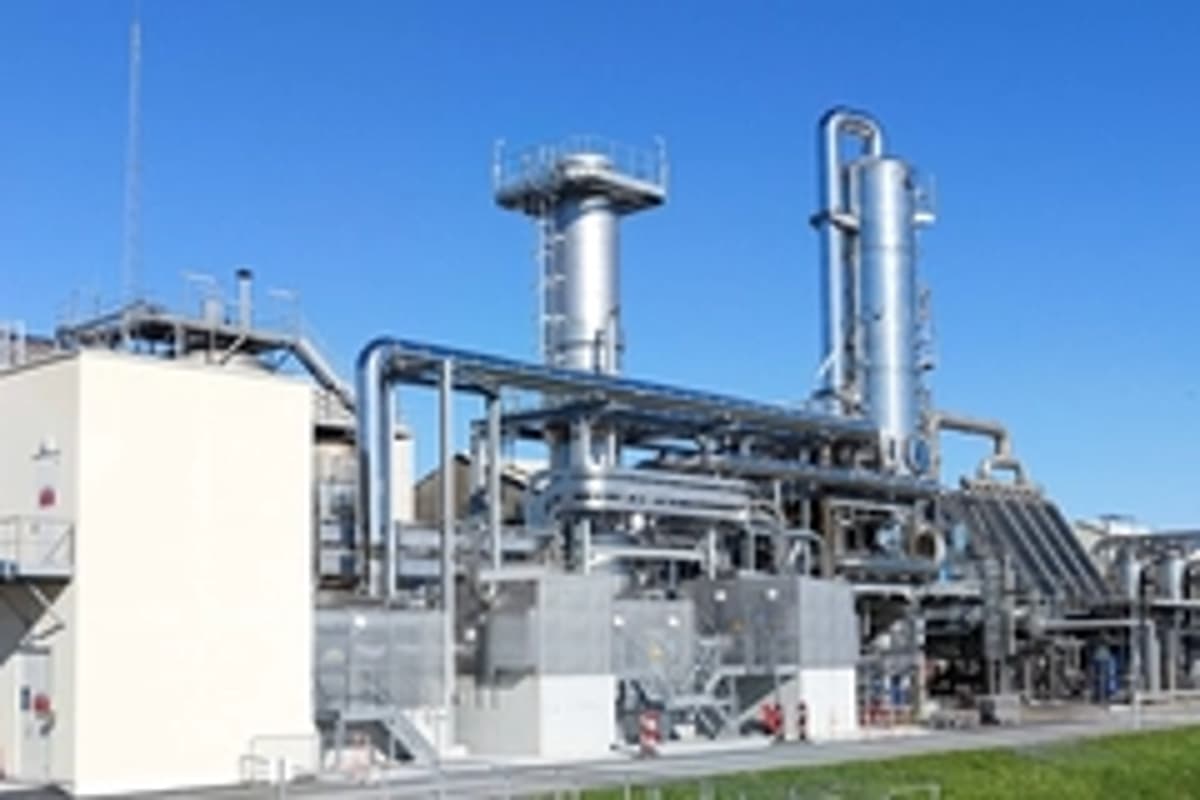
Cargill Upgrades Hydrocolloids Site to Cut Emissions and Improve Efficiency
Why It Matters
Cutting emissions and operating costs at a major hydrocolloid hub bolsters Cargill’s competitive edge and supports the food industry’s push for sustainable, cost‑stable ingredients.
Key Takeaways
- •€25 million (US$29.5 million) MVR upgrade cuts emissions 45 %
- •Reduces CO₂ by 13,700 tons annually while keeping output steady
- •Enhances energy efficiency, lowering operating costs for carrageenan and xanthan
- •Boosts supply resilience for Europe’s food‑ingredient market
- •Innovation centre enables faster formulation testing for manufacturers
Pulse Analysis
Cargill’s €25 million upgrade at its Baupte facility arrives at a time when European food‑ingredient makers face volatile energy prices and tightening climate regulations. By targeting the plant’s most energy‑intensive step – hydrocolloid evaporation – the company leverages Mechanical Vapor Recompression, a heat‑recovery system that compresses and reuses vapor, dramatically reducing external fuel demand. The technology not only trims the plant’s carbon footprint by an estimated 45 % but also cuts utility bills, allowing Cargill to offer more price‑stable carrageenan and xanthan gum to its global customers.
The environmental gains translate into tangible business benefits. Lower energy consumption improves margin resilience, especially as raw‑material costs rise across the supply chain. For food manufacturers, the reduced‑emission ingredient can support sustainability claims and meet increasingly strict labeling requirements. Moreover, the on‑site Food Innovation Centre gives clients direct access to performance testing, accelerating reformulation cycles for dairy, plant‑based, and beverage applications. This integration of production efficiency and R&D capability positions Cargill as a preferred partner for brands seeking both cost control and greener sourcing.
Beyond Cargill, the Baupte project signals a broader shift toward incremental, technology‑driven decarbonisation in the ingredient sector. As consumers demand cleaner labels and companies chase net‑zero targets, manufacturers are likely to replicate similar upgrades across Europe and North America. The success of MVR at scale demonstrates that sustainability and productivity need not be mutually exclusive, paving the way for a more resilient, low‑carbon food‑ingredients ecosystem.
Cargill upgrades hydrocolloids site to cut emissions and improve efficiency
Comments
Want to join the conversation?
Loading comments...