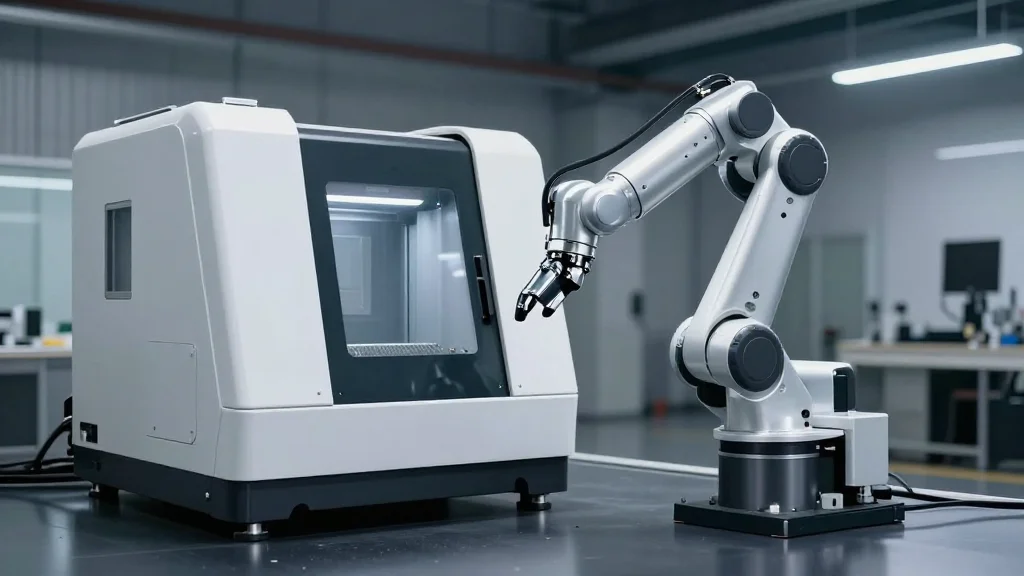
CCMT2026 Shows Humanoid Robots Driving Surge in AI‑Enabled Machine Tools

Companies Mentioned
Why It Matters
The expo’s focus on humanoid robots signals a strategic shift for Chinese manufacturers toward high‑value, precision‑driven segments that command premium margins. By integrating AI into CNC systems, vendors can offer predictive maintenance, real‑time optimisation and digital‑twin capabilities, reducing downtime and improving yield – a competitive edge as global supply chains tighten. For downstream industries such as new‑energy vehicles and aerospace, the availability of domestically produced, AI‑enhanced tooling shortens lead times and lowers reliance on imported equipment. This could accelerate China’s goal of self‑sufficiency in advanced manufacturing and reshape global supplier dynamics.
Key Takeaways
- •CCMT2026 attracted 212,930 visitors, a 13.3% YoY increase; professional attendees rose 23.23% to 142,951.
- •Exhibitors reported robot‑related contracts exceeding ¥1 billion (≈$14 million) during the show.
- •AI‑enabled five‑axis machines and digital‑twin solutions were showcased by both domestic and international firms.
- •2026 Q1 machine‑tool revenue hit ¥1.59 trillion (≈$224 billion), up 12.4% YoY, with order volume up >20%.
- •Tesla China’s Wang Hao confirmed no immediate mass‑production plans for humanoid robots at its Shanghai plant.
Pulse Analysis
CCMT2026 marks a watershed moment where the convergence of robotics and AI is no longer a niche but a mainstream driver of machine‑tool demand. Historically, Chinese CNC manufacturers have competed on price and basic precision; today, the premium attached to AI‑augmented capabilities is reshaping the value chain. Companies that can bundle hardware with data platforms, predictive analytics and lifecycle services are poised to capture the high‑margin segment that robot component makers are creating.
The tension between burgeoning robot orders and the still‑early stage of mass‑producing humanoid units creates a classic supply‑demand paradox. While robot component demand inflates order books, the limited scale of robot manufacturers means that the market may experience a temporary oversupply of specialised tooling. Vendors that diversify across traditional sectors—automotive, aerospace, new‑energy—while nurturing robot‑specific solutions will mitigate this risk.
Looking ahead, the next two years will test whether AI‑driven CNC systems can transition from pilot projects to factory‑floor staples. If Chinese firms can achieve the promised reductions in cycle time and defect rates, they will not only solidify domestic market share but also challenge incumbents like DMG MORI and Mazak in export markets. The pace of standardisation for AI‑CNC interfaces, data security protocols, and cross‑vendor interoperability will be critical determinants of how quickly this new ecosystem matures.
CCMT2026 Shows Humanoid Robots Driving Surge in AI‑Enabled Machine Tools
Comments
Want to join the conversation?
Loading comments...