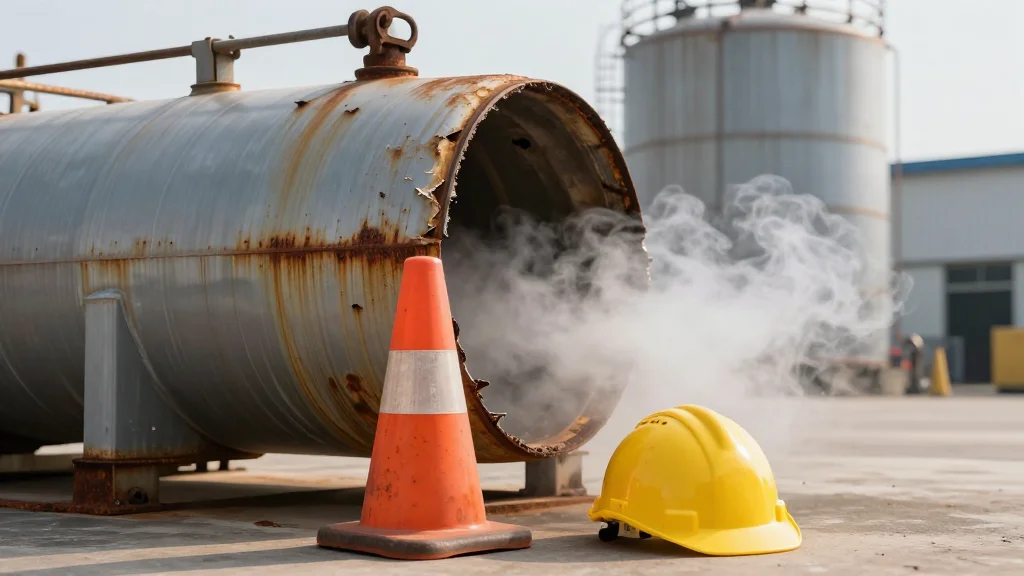
Chemical Tank Implodes at Washington Paper Mill, Killing One and Leaving Nine Missing

Why It Matters
The Longview tank implosion highlights systemic safety gaps in the U.S. pulp and paper industry, a sector that underpins a vast portion of the nation's packaging supply chain. With the plant responsible for a wide array of consumer paper products, any prolonged shutdown could ripple through distributors, retailers and end‑users, tightening an already constrained market for packaging materials. Beyond immediate operational disruptions, the event raises questions about regulatory enforcement on aging equipment. The plant’s history of minor safety citations suggests that incremental oversight may be insufficient to prevent catastrophic failures. A stricter regulatory regime could increase compliance costs for manufacturers but also drive investment in modern, safer infrastructure, potentially reshaping competitive dynamics in the sector.
Key Takeaways
- •A 3.4‑million‑litre (≈900,000‑gallon) chemical tank at Nippon Dynawave's Longview mill imploded, killing 1 worker.
- •Nine workers are missing and nine injured; emergency crews reported an unstable tank with ~90,000 gallons remaining.
- •The plant employs about 1,000 people and produces tissue, printing paper, cups, plates and cartons.
- •Nippon Dynawave has been fined $3,400 for three safety violations since 2021.
- •The incident could disrupt U.S. packaging supply chains and prompt tighter safety regulations.
Pulse Analysis
The Longview implosion is a stark reminder that legacy manufacturing facilities, many built in the mid‑20th century, often operate with equipment that predates modern safety standards. While the paper industry has benefited from decades of stable demand, the shift toward lightweight, high‑volume packaging has increased pressure on mills to run at higher capacities, sometimes stretching the limits of aging infrastructure. The failure of a massive white‑liquor tank—essential for kraft paper production—exposes a critical vulnerability: a single point of failure can halt an entire production line, reverberating through downstream supply chains that rely on just‑in‑time deliveries.
Regulators are likely to respond with heightened scrutiny, potentially mandating retrofits or accelerated decommissioning of similar tanks nationwide. For operators, the cost calculus will shift; investments in advanced monitoring, automated pressure relief systems, and corrosion‑resistant materials may become non‑negotiable. Companies that proactively upgrade will gain a competitive edge, positioning themselves as safer, more reliable partners for brands seeking resilient packaging sources.
From a market perspective, the incident could tighten short‑term paper pricing, especially for kraft‑based packaging, as buyers scramble for alternative sources. Larger integrated producers with diversified assets may absorb the shock, while smaller regional mills could face margin pressure or be forced into consolidation. Investors will watch how quickly Nippon Dynawave and its parent, Nippon Paper Group, address the safety gaps, as any perceived lag could affect stock performance and credit ratings. In the longer view, this tragedy may accelerate industry‑wide adoption of digital twins and predictive maintenance tools, leveraging AI to flag anomalies before they become catastrophic, thereby reshaping the safety paradigm for U.S. manufacturing.
Chemical Tank Implodes at Washington Paper Mill, Killing One and Leaving Nine Missing
Comments
Want to join the conversation?
Loading comments...