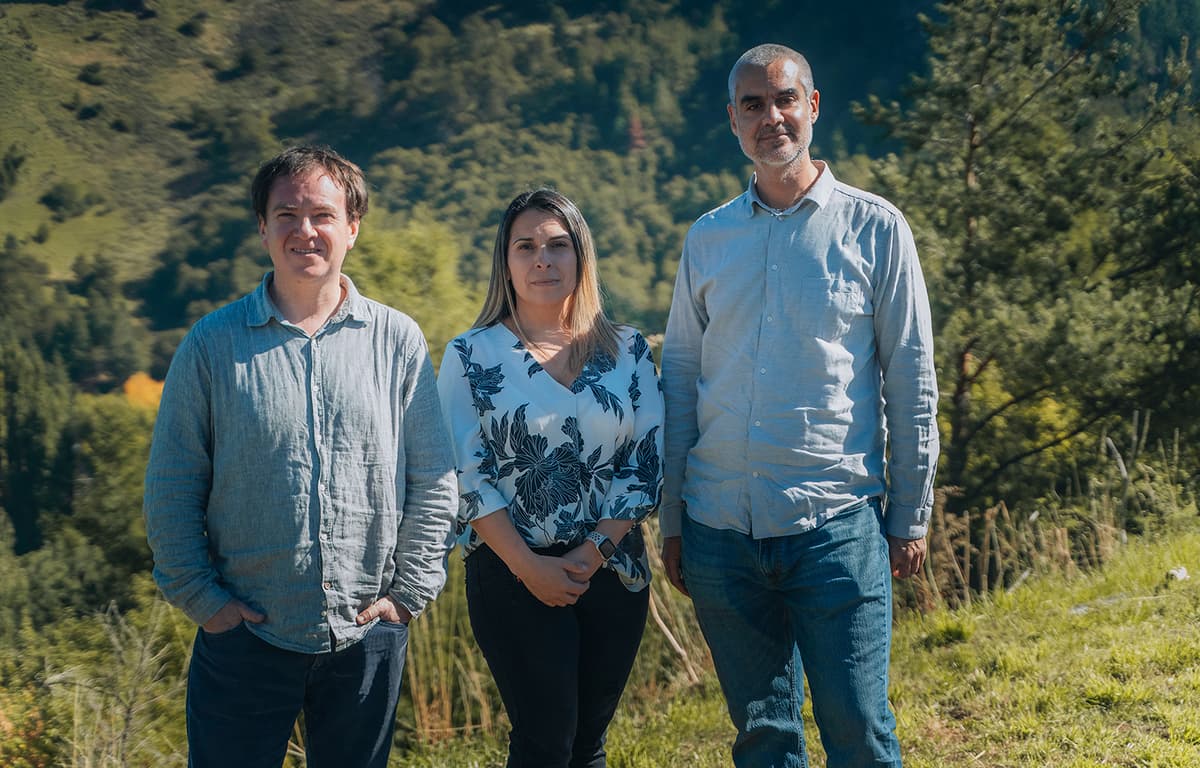
Chilean Entrepreneur Transforming Salmon-Farming Waste Into Insulated Panels for Homes
Companies Mentioned
Why It Matters
The initiative turns a hard‑to‑recycle industrial waste into affordable, energy‑efficient building material, lowering construction costs and emissions in a sparsely populated region. It demonstrates a scalable model for linking aquaculture by‑products with sustainable housing, potentially inspiring similar circular solutions worldwide.
Key Takeaways
- •Aysén Recircular converts 88 tons of EPS waste into SIP panels.
- •Over 5,900 panels built, used in 100+ homes in southern Chile.
- •SIPs cut construction time, improve insulation for cold, remote regions.
- •Collaboration links salmon farms (AquaChile, Cermaq, etc.) with local builders.
- •Circular model keeps waste local, boosting regional economy and sustainability.
Pulse Analysis
Salmon farming is a cornerstone of Chile’s export economy, but the industry generates massive quantities of expanded polystyrene (EPS) buoys and floats that are notoriously difficult to recycle. Aysén Recircular’s solution captures these discarded items at the source, extracts the EPS core, and reprocesses it into high‑performance structural insulated panels. By keeping the material loop within the Aysén region, the company not only mitigates a persistent waste problem but also creates a new supply chain that leverages existing aquaculture infrastructure.
The resulting SIPs combine a rigid EPS core with durable board facings, delivering thermal resistance far superior to conventional wood framing. In a climate marked by cold, storm‑prone seasons, the panels reduce heating demand and enable rapid, modular construction that fits tight weather windows. Builders benefit from lower material transport costs—critical in remote southern Chile where distances between towns inflate logistics expenses—and from a cleaner job site with minimal debris. The panels’ airtightness also contributes to energy‑efficient homes, aligning with Chile’s national goals for carbon reduction.
Beyond the immediate environmental gains, the model generates tangible economic value for the local community. By partnering with salmon producers such as AquaChile, Cermaq, Cooke Chile, Mowi and MultiX, Aysén Recircular transforms a cost‑center for farms into a revenue‑stream for a nascent manufacturing sector. The approach showcases how circular economy principles can bridge disparate industries, fostering job creation and regional resilience. As other coastal nations grapple with similar EPS waste, this Chilean example offers a replicable blueprint for turning marine‑industry by‑products into sustainable building solutions.
Chilean entrepreneur transforming salmon-farming waste into insulated panels for homes
Comments
Want to join the conversation?
Loading comments...