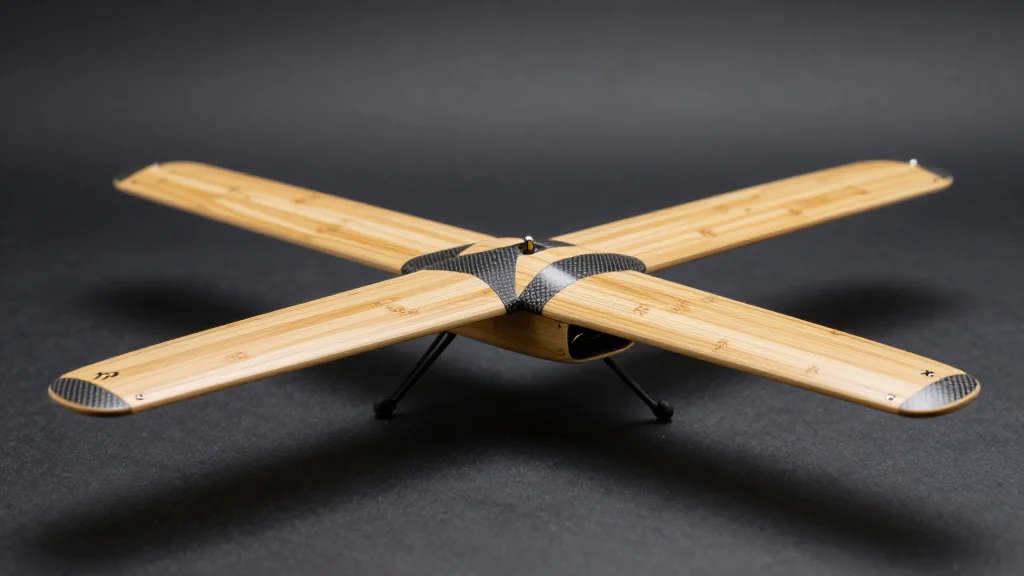
China Unveils a Fixed-Wing Drone Made of Bamboo Fibre Composite Material
Why It Matters
The aircraft demonstrates that renewable, low‑cost bamboo composites can meet stringent aviation performance and safety criteria, opening a sustainable pathway for commercial drones and potentially larger aircraft. This could reshape supply chains by reducing reliance on carbon‑fiber, cutting costs, and lowering the carbon footprint of the UAV industry.
Key Takeaways
- •Bamboo composes >25% of UAV fuselage
- •Weight 20% lighter than carbon‑fiber equivalents
- •Cost 75% lower than standard carbon fibre
- •VTOL tiltrotor design enables >100 km/h speed
- •First fixed‑wing drone using bamboo composites worldwide
Pulse Analysis
The debut of a bamboo‑based tilt‑rotor UAV marks a pivotal moment for sustainable aviation, as manufacturers worldwide scramble for greener alternatives to carbon‑fiber composites. Bamboo, a fast‑growing renewable resource, offers high tensile strength and natural toughness, making it an attractive feedstock for lightweight structures. By integrating more than a quarter of bamboo into the airframe, Chinese researchers have shown that bio‑derived materials can meet the rigorous mechanical demands of flight while dramatically cutting raw‑material costs.
From a technical standpoint, the drone’s 20% weight advantage translates into lower energy consumption, extending its endurance beyond one hour and supporting a cruise speed above 100 km/h. The cost advantage—bamboo sheets priced at roughly 25% of conventional carbon‑fiber cloth—could democratize high‑performance UAVs for sectors such as logistics, agriculture, and environmental monitoring. Moreover, the aircraft satisfied airworthiness standards, proving that bamboo composites can be molded with the precision and durability required for aerospace applications, overcoming challenges in processing and environmental resilience.
Strategically, the project aligns with China’s broader “Bamboo to Replace Plastic” initiative, leveraging the nation’s 8 million hectares of bamboo forests to curb plastic waste and reduce carbon emissions. Success in the UAV arena may spur adoption of bamboo composites in larger civil aircraft, potentially reshaping global supply chains and prompting regulatory bodies to develop new certification pathways. For investors and industry players, the development signals a nascent market for bio‑composite aerospace components that could deliver both economic and environmental returns.
China unveils a fixed-wing drone made of bamboo fibre composite material
Comments
Want to join the conversation?
Loading comments...