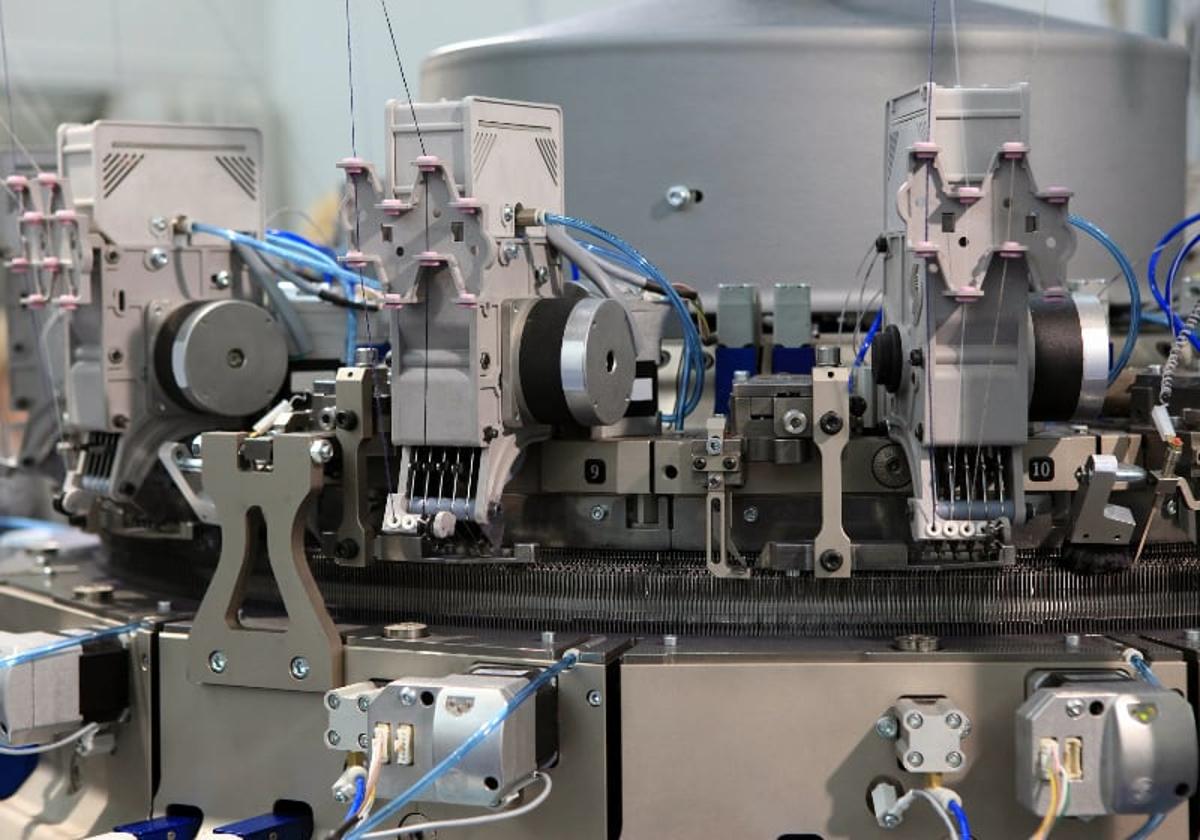
China’s Smart Clusters Raise EU Textile Sector Stakes
Why It Matters
The findings signal a pivotal competitive inflection point for Europe’s textile equipment industry, affecting market share, supply‑chain resilience, and the region’s ability to meet tightening sustainability mandates.
Key Takeaways
- •Chinese smart factories outpace EU by 2025, threatening market share
- •EU suppliers must become system architects by 2035 or lose relevance
- •Focus shifts from compliance to energy, water, material efficiency
- •Failure could relegate EU firms to sub‑supplier roles in global value chains
Pulse Analysis
China’s investment in "smart clusters"—high‑density hubs that combine advanced robotics, AI‑driven analytics, and IoT‑enabled equipment—has accelerated dramatically over the past decade. By integrating real‑time data streams across knitting, dyeing, and finishing processes, Chinese manufacturers can cut cycle times and waste, delivering textiles at lower cost and with higher consistency. This ecosystem advantage is now spilling over into Europe, where traditional machinery makers, accustomed to selling standalone looms and presses, find themselves competing against end‑to‑end solutions that bundle hardware, software, and services.
For European firms, the report’s 2035 deadline underscores a strategic imperative: transition from component suppliers to architects of holistic production platforms. This means investing in modular, open‑architecture hardware, developing proprietary AI models for predictive maintenance, and offering cloud‑based performance dashboards that track energy, water, and material consumption. Such capabilities align with the EU’s Green Deal targets, turning sustainability from a compliance checkbox into a market differentiator. Companies that can demonstrate quantifiable reductions—e.g., 15% lower energy per kilogram of fabric—will gain preferential access to both domestic and export markets.
Policymakers and industry groups are already responding. The European Commission’s Horizon Europe program earmarks €1.2 billion (≈ $1.3 billion) for digital‑manufacturing pilots, while trade associations are launching joint standards for interoperable textile IoT protocols. However, funding alone won’t close the gap; cultural shifts toward collaborative R&D and faster product cycles are essential. Firms that embrace the system‑architect role will not only safeguard their market position but also drive the next wave of sustainable innovation across the global textile supply chain.
China’s smart clusters raise EU textile sector stakes
Comments
Want to join the conversation?
Loading comments...